Will a YouTube Copyright Claim Affect Your Channel’s Monetization?
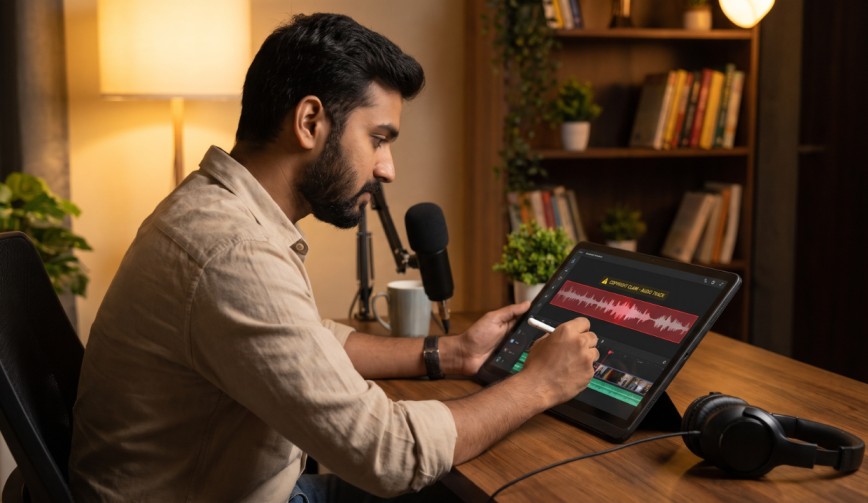
You spend three days editing a video and then press publish, after which you make a cup of tea. Just when you sit down, an email appears in your inbox saying “copyright claim.” Suddenly, your tea tastes like panic.
So, does a YouTube copyright claim affect your channel’s monetisation? The simple answer is that it usually affects only that particular video, not the entire channel. However, there are some important points to understand, along with a few ways the situation can get worse if you are not careful. Let’s look at them.
What Constitutes a Copyright Claim?
(Source – OpenAI)
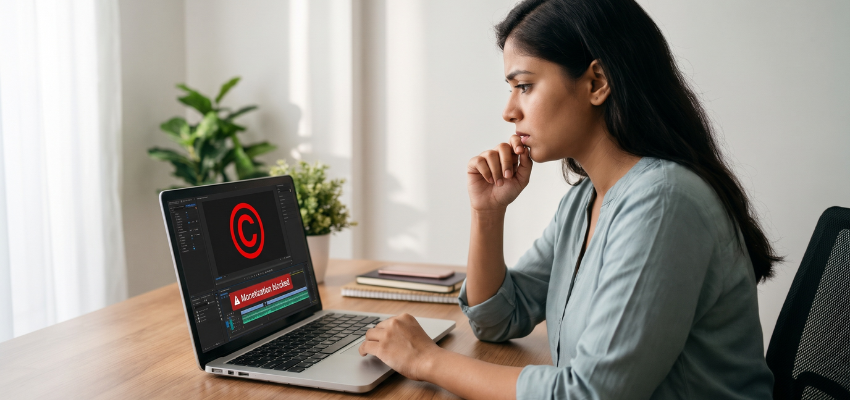
A copyright claim is made when someone identifies that your video contains their work, such as a song, a film clip, or some footage. Most claims are automatically detected through a system called Content ID.
Think of it as a fast and rather strict security guard that checks every upload against a large collection of copyrighted material. If it finds a match, your video gets flagged.
It is important to remember that a copyright claim is not a penalty. It is more like a note saying, “Hey, we believe this belongs to somebody else.”
👉Click here to see how Boss Wallah works with brands and what we can build for you
Claim vs. Strike: Do Not Mix Them Up
Many creators get confused about these two terms, so let’s explain them simply.
- Copyright claim: This is usually generated through Content ID. It generally affects the specific video rather than damaging your channel’s standing.
- Copyright strike: This is more serious. It happens when a copyright owner submits a valid takedown request, which can result in your video being removed and your channel receiving a strike.
If your channel receives three active copyright strikes, it can be terminated. Copyright strikes generally expire after 90 days if you complete Copyright School when required.
To sum up, a claim is a tap on the shoulder, while a strike is a much more serious warning.
Read More | Micro Influencer Rates in India: How Much Should You Pay?
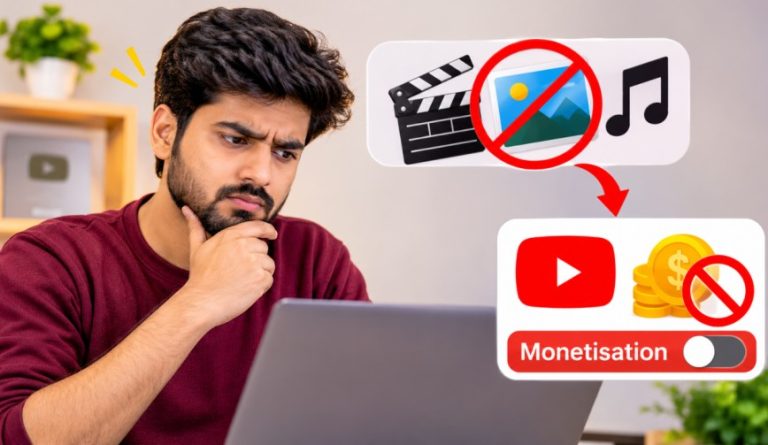
Will a YouTube Copyright Claim Affect Your Channel’s Monetisation?
A copyright claim can affect how you earn money from a particular video in several ways.
- The copyright owner receives the ad revenue: The owner may choose to monetise your video by running ads and collecting the revenue. You might not earn anything from that video, while your other videos can continue earning as usual.
- Your video could be blocked: The copyright owner may choose to block the video in certain countries or worldwide, depending on their Content ID policy.
- Your video may simply be tracked: Some copyright owners only want to monitor how many people watch their content. In this situation, your video may remain available, and your earnings could be unaffected, depending on the claim’s terms.
The main takeaway is that a single copyright claim does not usually demonetise your entire channel. However, a copyright strike is more serious and can put your channel at risk of termination, which would affect your ability to participate in the YouTube Partner Program (YPP).
The YPP is the programme that allows eligible creators to earn money through YouTube’s monetisation features.
How to Check If Your Video Has a Claim
You can check for copyright claims directly in YouTube Studio.
- Open YouTube Studio.
- Go to your Content section.
- Look for the Restrictions column.
- If a copyright claim appears, click the restriction to view more details.
- Check which part of your video was flagged and who made the claim.
YouTube will show the relevant information about the claim and explain its potential impact. It is a bit like receiving a receipt, only not as enjoyable.
Your Options When You Get a Claim
You are not stuck with a copyright claim. Depending on the situation, you have several options.
- Take no action: If the claim is valid and you are comfortable with the impact on your video, you can leave it as it is.
- Trim or mute the claimed section: YouTube Studio may allow you to remove the claimed segment or mute the copyrighted audio. Once the changes are processed, the claim may be released if the copyrighted material has been removed successfully.
- Replace the music: You can replace the claimed track with music from the YouTube Audio Library or another source whose licence permits your intended use.
- Dispute the claim: If you genuinely believe the claim is incorrect or you have the necessary rights, you can submit a dispute. The copyright owner generally has 30 days to respond to an initial dispute.
Be honest when disputing a claim. If you challenge a valid claim without a reasonable basis, the situation could escalate. If the owner submits a valid takedown request, your video could receive a copyright strike.
What About Fair Use?
Fair use is a legal doctrine that allows limited use of copyrighted material in certain circumstances, such as criticism, commentary, news reporting, and teaching. However, it is not a magic password that automatically protects your video.
Courts generally consider four factors when assessing fair use:
- Purpose and character: Why are you using the material, and have you transformed it with meaningful commentary or a new purpose?
- Nature of the copyrighted work: Is the original work factual or creative?
- Amount used: How much of the original material have you included?
- Effect on the market: Could your use affect the market or value of the original work?
Using a short clip with your own commentary may support a fair-use argument, but it does not guarantee protection. Even a short extract can lead to a claim, and fair-use rules vary by country.
If you are unsure about your rights, consider consulting a legal expert before publishing the content.
Simple Ways to Avoid Copyright Claims in the First Place
(Source – OpenAI)
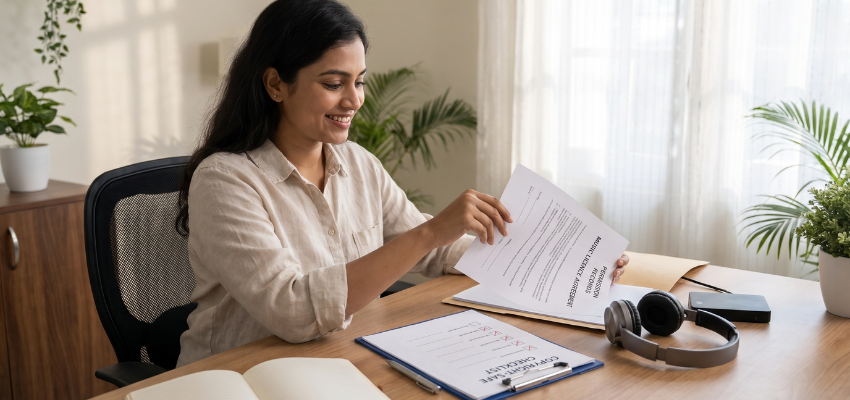
Prevention is easier than dealing with a claim after uploading your video. Here are a few practical steps to follow.
- Use licensed music: Choose tracks from the YouTube AudioLibrary or a reliable royalty-free music provider. Check the licence terms because some tracks require attribution or payment.
- Get written permission: Obtain permission from the copyright owner before using someone else’s footage, music, or other protected material when required.
- Use only what you need: Avoid including unnecessary copyrighted clips. Add your own commentary or original material where appropriate, but remember that this does not automatically make the use lawful.
- Read the licence carefully: Free content is not always free for commercial use. Check whether the licence covers monetised YouTube videos.
- Keep proof of permission: Save licences, receipts, written agreements, and other records showing where your content came from and how you are allowed to use it.
These small habits can save you from unnecessary stress and help protect your channel in the long run.
Read More | Instagram’s 90 Minute Videos – Is This the Future of Content Creation?
Need Videos, Creators, or Regional Content for Your Brand?
Boss Wallah helps brands plan and execute video content at scale, without managing multiple vendors.
We work with companies to:
- Shoot large volumes of short-form videos using real creators and studio setups, suitable for social media, websites, campaigns, and launches
- Adapt the same videos for different languages, regions, and platforms, so one shoot works across India and global markets
- Launch products or campaigns through dozens or hundreds of creators, all managed, tracked, and reported in one system
- Support brands with ongoing content, launches, regional expansion, and performance-focused campaigns
Whether you need videos for a new launch, content for multiple markets, creator-led visibility, or a steady content pipeline, Boss Wallah acts as a single partner handling production, creators, and execution end-to-end.
👉Click here to see how Boss Wallah works with brands and what we can build for you
Final Thoughts
Will a YouTube copyright claim affect your channel’s ability to earn money? For an individual video, it certainly can. For the entire channel, it usually will not.
The bigger risk comes from copyright strikes, which can put your channel at risk of termination and affect your long-term earning potential. If you receive a claim, stay calm, review the details, make the necessary corrections, and dispute it only when you have a valid reason.
A little care before publishing can save you a lot of trouble later.
Frequently Asked Questions
1. Will I be able to make money if my video receives a copyright claim?
It depends on the claim. The copyright owner may collect the ad revenue, share it under certain arrangements, or simply track the video. Your other videos can generally continue earning money if your channel remains eligible for monetisation.
2. Does having a copyright claim result in a strike for my channel?
No. A copyright claim and a copyright strike are different. A strike generally follows a valid copyright takedown request, not simply an ordinary Content ID claim.
3. For how long does a copyright strike remain on my channel?
A copyright strike generally expires after 90 days if you complete Copyright School when required. You should still address the strike properly rather than assume it will disappear without any action.
4. Once a claim has been removed, can I have my monetisation restored?
Potentially, yes. If the claim is released after you remove the copyrighted material or successfully dispute it, the video may become eligible to earn revenue again. Actual earnings depend on your monetisation status and other applicable policies.
5. Is it safe to use short extracts under the doctrine of fair use?
Not necessarily. Fair use depends on the circumstances, including the purpose of the use, the amount used, and its potential effect on the original work’s market. There is no universal safe number of seconds, and adding commentary does not guarantee that your use qualifies as fair use.