Creator Content Usage Rights: 7 Contract Clauses Brands Should Check Before Reusing Creator Videos
A creator makes a video for your brand, and it receives plenty of likes. Naturally, your marketing team wants to share it everywhere. Sounds great, right? Not so fast. Before reposting the video or using it in a paid advertisement, you need to check your Creator Content Usage Rights.
Just because a creator makes a video for your brand does not mean you can use it forever or in every campaign. Your agreement explains how the content can be used. If the terms are unclear, a simple repost could lead to a legal dispute.
Here are seven important contract clauses brands should check before reusing creator videos.
Why Creator Content Usage Rights Matter for Brands

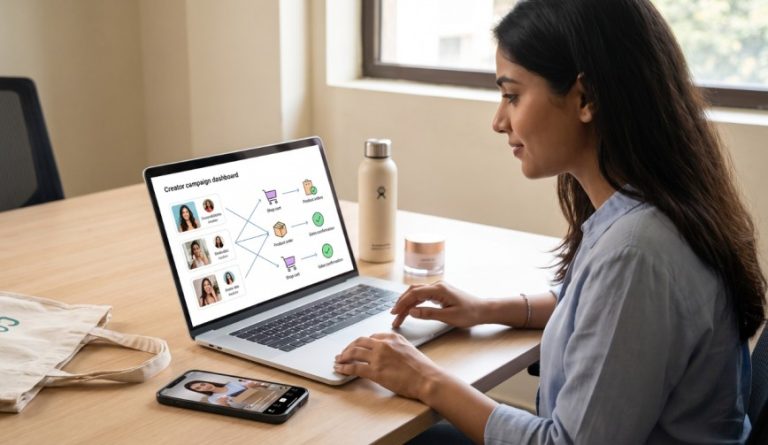
(Source – OpenAI)
Creator videos are valuable marketing assets. Brands use them on social media, in paid ads, on websites, on product pages, and in email campaigns. Content usage rights determine where, how, and for how long a brand can use a creator’s work.
A creator might allow a video to be posted on Instagram but not used in paid ads. Another might permit reposting for three months but not for a full year.
Clear agreements help brands avoid disputes, plan campaigns confidently, and maintain good relationships with creators.
👉Click here to see how Boss Wallah works with brands and what we can build for you
7 Contract Clauses to Check Before Reusing Creator Videos
1. Content Ownership and Usage Permission
Start by checking who owns the video after it is created.
In many creator partnerships, the creator retains ownership but gives the brand a licence, which means permission to use the content under agreed conditions.
The contract should clearly state whether the brand can repost, edit, distribute, or use the video in advertisements.
Make sure the creator content licensing terms match your marketing plans. If you want to use the video across multiple channels, get written permission instead of relying on a casual conversation.
2. Duration of Usage Rights
How long can your brand use the video? Thirty days, six months, or indefinitely?
The contract should specify the permitted usage period, especially for seasonal campaigns, product launches, and paid advertisements.
For example, if a creator allows the brand to use a video for 90 days, continuing to use it after that period could violate the agreement.
Clear content usage duration terms help your marketing team track deadlines and avoid using content after permission expires. A calendar reminder is much cheaper than a legal dispute.
Read More | Creator Campaign ROI: Are Those Views Really Helping Your Brand?
3. Platforms and Marketing Channels
Permission to use a video on one platform does not automatically cover every other platform.
Your contract should list the approved channels, such as Instagram, YouTube, Facebook, brand websites, online stores, and email newsletters.
If you plan to use the video across multiple channels, make sure the agreement covers each one. These social media usage rights help both parties understand where the content can appear.
4. Paid Advertising and Whitelisting Permission
Sharing a creator’s video as a regular post is different from paying to promote it.
The agreement should clearly state whether the brand can use the video in paid social media ads on platforms such as Instagram, Facebook, and TikTok.
Also, check the whitelisting terms. Whitelisting allows brands to run advertisements through a creator’s account or identity, depending on the platform’s features and permissions.
The contract should explain the advertising period, platforms, account access, and any additional fees. Permission to repost does not automatically include permission to run paid ads.
5. Editing and Modification Rights
Marketing teams often resize videos, add subtitles, shorten clips, or create different versions for advertisements.
The contract should explain which edits are allowed and whether the creator must approve them.
For example, shortening a 60-second video into a 15-second ad may be permitted, but changing the creator’s words in a way that alters their meaning could cause problems.
Clear UGC content rights should cover permitted edits, new versions, and approval requirements. UGC stands for user-generated content, which includes videos and other material created by customers or creators for brands.
6. Exclusivity and Competitor Restrictions
An exclusivity clause determines whether a creator can work with competing brands during a specific period.
Your brand may want to prevent a creator from promoting a direct competitor immediately after a campaign. However, these restrictions should be reasonable and clearly defined.
Specify the competitor category, restriction period, and any additional payment involved.
Well-written influencer marketing contracts help prevent misunderstandings about exclusivity and what each party has agreed to.
7. Music and Third-Party Permissions
Creator videos may contain background music, stock footage, photographs, or artwork owned by others.
Even if a creator gives your brand permission to use the video, that permission may not cover every element in it.
For example, music permitted in an Instagram Reel might not be licensed for a paid advertisement or use on another platform.
The contract should explain who is responsible for securing the necessary permissions and checking whether third-party licences cover the intended use.
These creator video licensing requirements are easy to overlook, but ignoring them can lead to content removal, advertising restrictions, or copyright claims.
Read More | From ₹0 to ₹10L Ad Spend: When Should You Switch from Image Ads to Video Ads?
How Brands Can Manage Creator Content Usage Rights

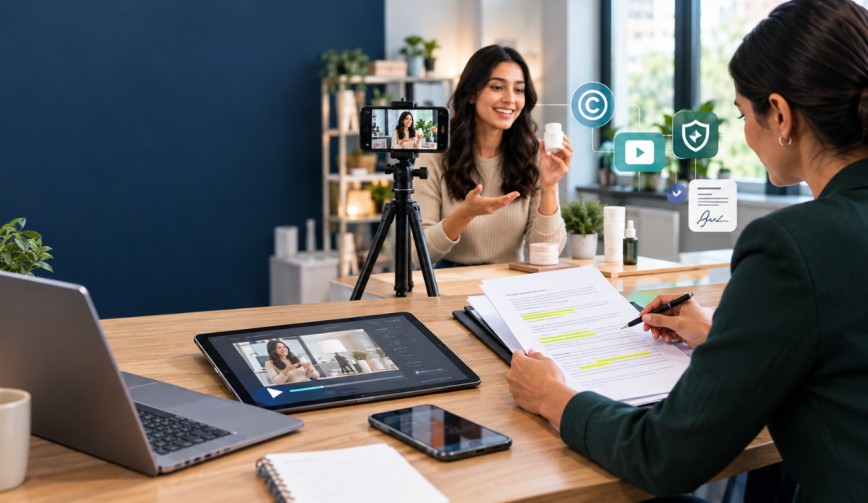
(Source – OpenAI)
Checking the contract before publishing is important, but managing permissions over time matters just as much.
Keep a record of each creator video, its ownership, approved platforms, usage period, editing permissions, and advertising rights. Store signed agreements and supporting permissions in one place.
Before launching a new campaign, check that your planned use is still permitted. If you want to extend the usage period or introduce the video on another platform, obtain written approval first.
If a clause is unclear, ask a qualified legal professional to review it. A little organisation can save your team from chasing approvals after a campaign has gone live.
Need Videos, Creators, or Regional Content for Your Brand?
Boss Wallah helps brands plan and execute video content at scale, without managing multiple vendors.
We work with companies to:
- Shoot large volumes of short-form videos using real creators and studio setups, suitable for social media, websites, campaigns, and launches
- Adapt the same videos for different languages, regions, and platforms, so one shoot works across India and global markets
- Launch products or campaigns through dozens or hundreds of creators, all managed, tracked, and reported in one system
- Support brands with ongoing content, launches, regional expansion, and performance-focused campaigns
Whether you need videos for a new launch, content for multiple markets, creator-led visibility, or a steady content pipeline, Boss Wallah acts as a single partner handling production, creators, and execution end-to-end.
👉Click here to see how Boss Wallah works with brands and what we can build for you
Final Thoughts
Creator videos can help brands build trust, connect with audiences, and improve marketing results. However, brands must have the right permissions before reusing any video. Checking Creator Content Usage Rights, usage periods, platform permissions, and advertising terms can help prevent legal issues and unexpected costs.
A clear contract protects both the brand and the creator while making future collaborations easier. Before reposting a video or turning it into an ad, take a moment to review the agreement. A little paperwork today can save your brand a lot of trouble tomorrow.
The simple rule is this: before reusing a creator’s video, make sure your contract allows it.
Frequently Asked Questions
1. What are Creator Content Usage Rights?
Creator Content Usage Rights explain how a brand can use content made by a creator. They may cover reposting, advertising, editing, distribution, and the permitted usage period.
2. Can a brand reuse creator videos without permission?
Not necessarily. Brands should check their agreements and applicable copyright rules before reusing videos. Paying for content does not automatically grant every usage right.
3. How long should brands secure creator content usage rights?
It depends on the campaign. Short-term promotions may need permission for a few months, while long-term marketing campaigns may require extended rights. The contract should clearly state the agreed period.
4. Do brands need separate permission to use creator videos as ads?
They may. Permission for regular social media posts does not automatically include paid advertising. Brands should confirm that the agreement covers paid campaigns and any required account access.
5. What should brands do if they want to reuse a video after the contract expires?
Contact the creator to request an extension or new permission. Confirm any additional fees and obtain written approval before using the video again.