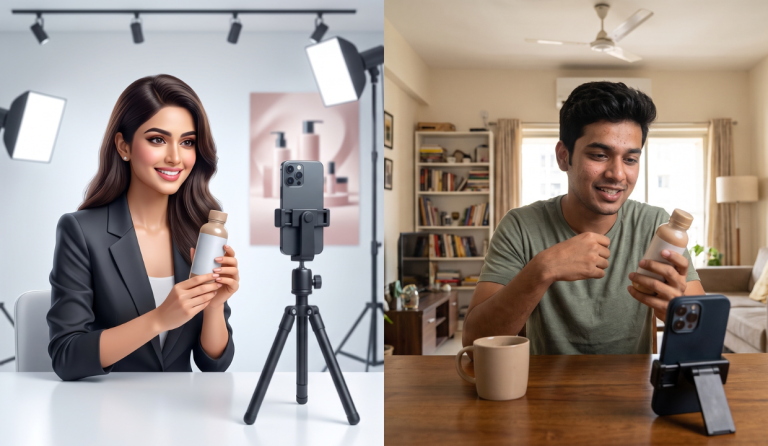
UGC Whitelisting and How Creator Posts Become Brand Ads
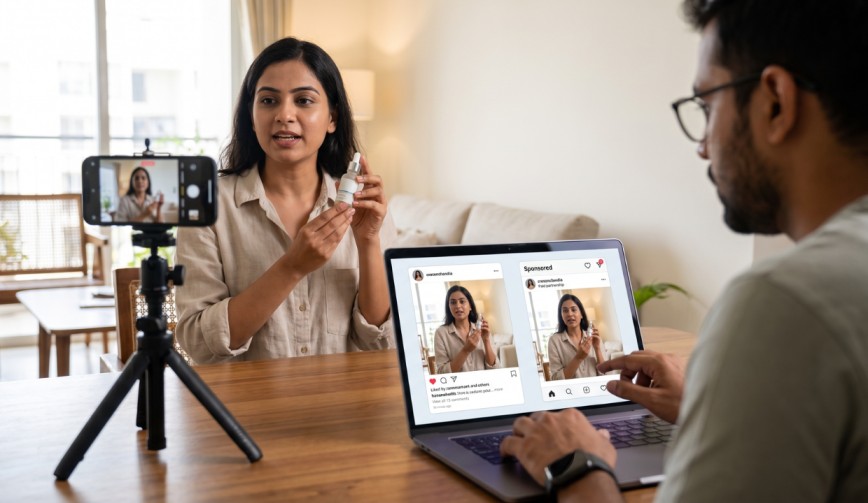
A creator uploads a video to Instagram, people view it, comments begin to appear, and the brand then notices an interesting point. The content comes across as more natural than a standard advertisement. At this stage, UGC Whitelisting and the process of how creator posts become brand ads become important. Rather than producing a new ad, the brand can take advantage of the creator’s existing content and promote it to a larger audience.
The reason why this method is gaining in popularity is that people generally react more favourably to content that is similar to the kind of thing they usually come across on their social feeds. However, the matter goes beyond just spending money on a creator’s post.
What Is UGC Whitelisting?

(Source – OpenAI)
UGC whitelisting occurs when a content creator allows a brand to use their social media content for the purpose of paid advertising.
For instance, a creator might produce a short video demonstrating how they use a skincare product. Since the brand likes the video, it asks for permission to use it as part of an advertising campaign. The brand can then promote that content to a wider audience with the creator’s agreement.
What’s essential is having the creator’s permission. A brand cannot just take over a creator’s post and turn it into an advertisement since the post had performed well.
UGC whitelisting is sometimes also linked to creator licensing, whereby creators grant brands certain rights to use their content for marketing purposes.
👉Click here to see how Boss Wallah works with brands and what we can build for you
How Creator Posts Become Brand Ads
The process is quite simple, though there are a number of steps which brands should not omit.
1. A Creator Produces the Content
It begins with someone producing content for their audience.
The material might constitute:
- A product review
- A tutorial
- An unboxing video
- A testimonial
- A product demonstration
- An ordinary everyday video
The advantage is that the creator already knows how to talk to their audience in a natural manner.
2. The Brand Finds a Strong Post
The brand looks through the creator’s content to find the ones that have potential.
It isn’t necessary for the post with the most views to be the one chosen. A video that has vigorous comments, good watch time, or real audience reactions might be more useful than one that merely went viral for a day.
One reason why UGC content for brands has proved useful is that it allows brands to discover content which already seems familiar to their target audience.
3. The Creator Grants Permission
When the brand decides to use the post as an advertisement, the creator has to give the necessary permission.
The agreement must make it clear:
- The extent of the brand’s rights regarding the content
- Where the content can be used
- How long the permission is valid
- Whether the content can be edited or changed
This arrangement looks after both sides and prevents unpleasant conversations down the line.
4. The Brand Treats the Content as an Advertisement
Once permission has been granted, the brand may use the creator’s post as part of a paid campaign.
The content does not have the look of a standard branded advertisement but rather that of a typical post by a content creator. As a result, the ad seems less intrusive while at the same time managing to reach people outside of the creator’s current followers.
Read More | Tier 3 Creators and Brand Collaborations: Why Smaller Cities Deserve More Attention.
Why Are Brands Using UGC Whitelisting?
A primary reason is trust.
People are used to coming across well-polished advertisements all the time. A brand video that has been perfectly edited won’t attract much notice. A creator giving a natural talk about a product can, on some occasions, seem more relatable.
Creator content also provides brands with a greater variety of formats to test, since a brand may find that a straightforward product demonstration outperforms a well-produced campaign.
Another advantage is being able to reach audiences who are outside of the creator’s existing followers. Through paid promotion, content that has been proven successful can be shown to people who are completely unfamiliar with the creator.
UGC Whitelisting vs Traditional Brand Ads
Traditional brand advertisements are generally created, edited, and published directly by the brand itself.
The content used in UGC ads usually originates with creators or customers and therefore has a more natural atmosphere.
Here is a simple comparison:
| Traditional Brand Ads | UGC Whitelisting |
|---|---|
| Usually created by the brand | Created by a creator |
| Often highly polished | Usually more natural |
| Brand controls the creative process | Creator brings their own style |
| Mainly reaches through paid campaigns | Can combine creator trust with paid reach |
| May feel like a direct advertisement | Can feel more like regular social content |
One method isn’t inherently superior. The appropriate choice will vary according to the campaign, the audience, and the goal.
What Should Brands Agree With Creators?
Both parties should have a clear understanding of the arrangement before they run the creator content as an ad.
Brands should discuss:
- Where the content can be used
- How long the permission will last
- Which platforms can use it
- Whether the content can be edited
- How the creator will be paid
- Whether the brand can use the content outside paid ads
Although these details might not seem very exciting, they can avoid a great deal of confusion later on.
For those who create content, it is essential to realise that granting advertising rights is not the same as just producing a post for a brand. The agreement has to correspond with the level of access and usage that the brand gets.
How Brands Can Get Better Results From UGC Whitelisting
It isn’t our aim to turn each and every creator post into a form of advertisement.
First, brands should search for content that is already demonstrating success, since the following can all make a difference:
- Strong hooks
- Clear product benefits
- Authentic reactions
- Straightforward storytelling
- Natural creator delivery
It is likewise helpful to try out various versions. A video produced by one person may be effective with one kind of audience but not with another. Companies can test out:
- Different openings
- Different captions
- Different audiences
- Different calls to action
As a result, paid UGC campaigns become more useful than just promoting a random creator’s post and hoping for the best.
Read More | YouTube New Monetisation Rules: From Shorts to Monetisation, What’s New?
The Creator Still Matters

(Source – OpenAI)
The creator’s style should not be lost even if the brand is paying to promote the content.
If the original video had been successful, since it seemed relaxed and sincere, excessive editing could be exactly what had caused it to lose its effectiveness.
Which is why effective creator partnerships are generally founded on collaboration, not on total control. The brand provides the product and the campaign objective, while the creator offers their voice and their understanding of their audience.
Need Videos, Creators, or Regional Content for Your Brand?
Boss Wallah helps brands plan and execute video content at scale, without managing multiple vendors.
We work with companies to:
- Shoot large volumes of short-form videos using real creators and studio setups, suitable for social media, websites, campaigns, and launches
- Adapt the same videos for different languages, regions, and platforms, so one shoot works across India and global markets
- Launch products or campaigns through dozens or hundreds of creators, all managed, tracked, and reported in one system
- Support brands with ongoing content, launches, regional expansion, and performance-focused campaigns
Whether you need videos for a new launch, content for multiple markets, creator-led visibility, or a steady content pipeline, Boss Wallah acts as a single partner handling production, creators, and execution end-to-end.
👉Click here to see how Boss Wallah works with brands and what we can build for you
Final Thoughts
Actually, UGC Whitelisting and the process by which creator posts become brand ads is all about combining creator content with paid promotion.
A person produces something that has a natural appearance. The brand spots content with promise. Permission is obtained, and then the brand uses that content to reach a wider audience.
As long as it is managed correctly, all parties involved can gain. Companies obtain advertising content that is relevant to their audience, content creators get another means of earning money from their work, and the public receive ads which feel a bit less like advertisements.
To be honest, that isn’t a bad arrangement for anyone.
FAQs
1. What constitutes UGC whitelisting?
UGC whitelisting enables a brand to obtain permission from a creator to use their content for paid advertising.
2. Is UGC whitelisting equivalent to influencer marketing?
It’s not precisely that. While influencer marketing usually involves the creator putting out content to their own audience, UGC whitelisting enables the brand to use the creator’s approved content in its own paid advertising campaigns.
3. Are creators paid when their UGC is whitelisted?
They can, since the payment is determined by the agreement between the creator and the brand. The fee might be for content creation, advertising rights, or for both of these.
4. Can brands alter content created by creators?
It all comes down to the agreement. Brands should make it clear beforehand whether they are going to edit, crop, add captions, or alter the content before using it as an ad.
5. What is there to gain for brands from user-generated content?
UGC can make advertising seem more natural and relevant, as well as provide brands with a variety of creative formats to test rather than having to depend solely on traditional advertisements.