UGC That Sells: How Small Brands Brief Creators for Content That Actually Converts

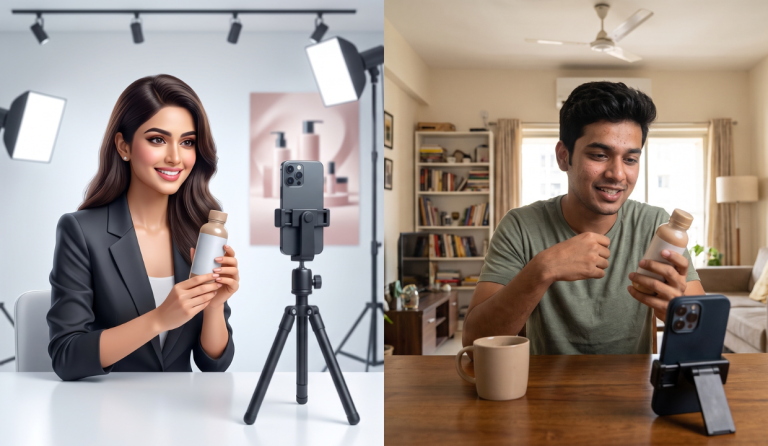
If you run a small brand, you have probably heard the term UGC a lot lately. UGC stands for user-generated content. In simple words, it means content made by real people, like customers or creators, instead of a big fancy studio shoot. Picture someone filming a quick video on their phone talking about your product, instead of an ad with perfect lighting and a script written by ten people in suits.
Here is the funny part, though. Just because content is made by a “real person” does not mean it will magically sell your product. We have all scrolled past UGC videos that felt awkward, forced, or just plain boring. So what makes the difference between UGC nobody watches and UGC that actually brings in sales?
The answer usually comes down to one simple thing that people forget about: the brief. Yes, the small document you send the creator before they even pick up their phone. A messy brief gives you messy content. A clear creator brief gives you content that feels natural on the surface, but is quietly doing a lot of work to boost your conversion rate.
Let us look at how small brands can write briefs that actually lead to content people want to watch, trust, and act on.
Why a Good Brief Matters More Than You Think

(Source – OpenAI)
Many small brands make one common mistake. They send creators a message like “just talk about the product and be yourself.” This sounds relaxed, but it usually backfires. Creators are not mind readers. Without direction, they will either guess what you want, which rarely matches your vision, or they will make something so generic it could be an ad for any product in the world.
A good content brief is not about controlling every word the creator says. It is about giving them a clear playing field so their creativity has something useful to work with. Think of it like handing someone a recipe instead of just saying “cook something good.” The recipe still leaves room for their own style, but it makes sure the final dish turns out the way you actually wanted.
👉Click here to see how Boss Wallah works with brands and what we can build for you
What Goes Into a Strong Creator Brief
You do not need a fifty-page document. Honestly, the shorter and clearer your brief is, the better it works. Here are the parts that matter most.
| Brief Section | What It Should Include |
|---|---|
| Core message | The real problem your product solves, in plain words |
| Tone | Funny, calm, informative, or something in between |
| Call to action | The exact next step you want the viewer to take |
| Do’s and don’ts | Two or three of each, kept short |
| Technical basics | Video length, format, hashtags, tags |
Let us break these down a bit more.
1. The core message, not just the product features. Do not just say “mention that our moisturiser has hyaluronic acid.” Explain the problem it solves in everyday language, like “this helps with dry skin that feels tight by the afternoon.” Creators can turn a real problem into a relatable story much more easily than a list of ingredients. This is where good influencer marketingstarts, with a message people actually care about.
2. The tone you want: Do you want something funny and casual, or calm and informative? Share an example video you like, even from another brand. This one step saves a lot of back-and-forth messages later.
3. A clear call to action. This is the part people forget the most. What do you actually want viewers to do after watching? Visit the website? Use a discount code? Comment a specific word? Spell it out clearly. Conversion, which simply means turning a viewer into a paying customer, does not happen by accident. It happens when the next step is obvious and easy to follow.
4. Do’s and don’ts, kept short: List two or three things you definitely want included, like showing the product packaging clearly. Then list two or three things to avoid, like making claims you cannot prove. Long lists of rules usually get ignored, so keep this part tight and simple.
5. Technical basics: Video length, format (vertical works best for reels and shorts), and any hashtags or account tags needed. Not exciting, but it saves everyone a headache later.
Read More | UGC Content Licensing Explained: What Happens to Your Video After You Hand It Over.
Give Creators Room to Be Themselves
Here is a small but important balance to strike. A brief should guide the creator, not turn them into a puppet reading a script word for word. Overly scripted content tends to feel stiff, and audiences can spot inauthentic content from a mile away. The whole point of UGC marketing is that it feels real. If it feels like an ad wearing a disguise, people scroll right past it.
So instead of writing exact lines for the creator to say, describe the point you want them to make and let them say it in their own words. This keeps the content sounding natural while still hitting the message you need.
Match the Creator to Your Brand
Briefing well only works if you pick the right creator to begin with. A creator with a huge following is not automatically the right choice. What matters more is whether their audience actually overlaps with your target customer. This is often called audience fit, and it makes a bigger difference than follower count.
A quick way to check this:
- Look at their past sponsored posts and how people reacted
- Read a few comments to see if the audience seems genuinely interested
- Check if their usual content style matches your brand’s vibe
- See if they have worked with similar products before
A little research here saves you from wasted budget later.
Test, Review, and Improve

(Source – OpenAI)
Even with a great brief, not every piece of content will be a home run. That is completely normal. The smart move is to treat your first few UGC campaigns as a learning phase. Look at which videos got the most engagement, which ones led to actual website clicks or sales, and try to understand why.
Over time, you will notice patterns. Maybe short and funny videos perform better than long explainer-style ones. Maybe a certain type of hook, which just means the first few seconds of a video that grabs attention, works especially well for your audience.
Here is a simple way to track what is working:
| What to Track | Why It Matters |
|---|---|
| Views and watch time | Shows if the content actually holds attention |
| Comments and shares | Shows if people find it relatable or worth talking about |
| Click-through rate | Shows if the call to action is working |
| Sales linked to the video | Shows the real return on investment |
This kind of ongoing review helps you write sharper briefs for your next round of creators, which usually means better content and better sales.
Read More | Product Video Shoot for E-commerce in India: Why UGC-Style Ads Are Beating Traditional Product Shoots.
Need Videos, Creators, or Regional Content for Your Brand?
Boss Wallah helps brands plan and execute video content at scale, without managing multiple vendors.
We work with companies to:
- Shoot large volumes of short-form videos using real creators and studio setups, suitable for social media, websites, campaigns, and launches
- Adapt the same videos for different languages, regions, and platforms, so one shoot works across India and global markets
- Launch products or campaigns through dozens or hundreds of creators, all managed, tracked, and reported in one system
- Support brands with ongoing content, launches, regional expansion, and performance-focused campaigns
Whether you need videos for a new launch, content for multiple markets, creator-led visibility, or a steady content pipeline, Boss Wallah acts as a single partner handling production, creators, and execution end-to-end.
👉Click here to see how Boss Wallah works with brands and what we can build for you
Final Thoughts
UGC is powerful because it feels honest, but honest does not mean unplanned. Behind almost every scroll-stopping UGC video, there is a well-thought-out brief that gave the creator just enough direction to shine. Small brands do not need huge budgets to make this work. What you need is clarity, a bit of patience, and a willingness to learn from what performs and what does not.
Get the brief right, and you are not just hoping for good content anymore. You are setting the stage for it.
Frequently Asked Questions
1. What does UGC mean?
UGC stands for user-generated content, meaning content made by real customers or creators instead of a brand’s in-house team.
2. How long should a creator brief be?
Usually one page is enough, covering the message, tone, call to action, and basic technical details.
3. Should I write a full script for the creator?
No, it is better to explain the key point and let the creator say it in their own natural style.
4. How do I check if a creator is a good fit for my brand?
Look at their past sponsored content, audience comments, and whether their followers match your target customer.
5. What is the biggest mistake small brands make with UGC?
Giving vague instructions without a clear call to action, which leads to nice-looking content that does not drive sales.