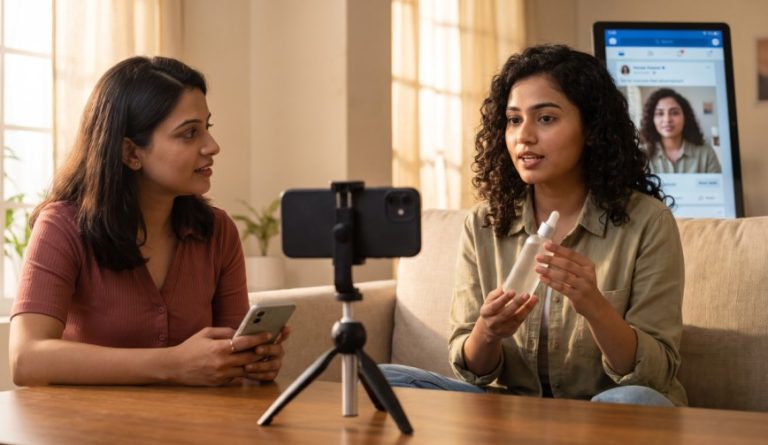
UGC Content Licensing and Why Real Customers Can Build More Trust

People have become pretty good at spotting an advertisement. A perfectly lit video, carefully planned script, and creator showing off a product can look great, but sometimes it feels a little too perfect. This is where UGC Content Licensing can give brands another option. Instead of relying only on hired creators, brands can get permission to use content made by real customers who have actually used their products.
What Is UGC Content Licensing?

(Source – OpenAI)
UGC stands for user-generated content. It is content created by customers or regular users rather than by a brand’s marketing team.
A customer might post a video showing how they use a skincare product, share a review of a food item, or upload a photo of something they bought. If the brand wants to use that content in its own marketing, it needs the creator’s permission.
UGC Content Licensing is the process of getting that permission and agreeing on how the brand can use the content.
For example, a customer posts a short video about a product on Instagram. The brand likes the video and wants to use it in a paid ad. Instead of simply downloading and reposting it, the brand can contact the customer, agree on usage rights, and license the content for advertising.
That small step can make a big difference.
👉Click here to see how Boss Wallah works with brands and what we can build for you
Why Real Customer Content Feels Different
The biggest advantage of customer-generated content is that it can feel less like an advertisement.
A hired creator is usually working with a brand because they have been paid to create content. That does not mean the content is fake. However, audiences know there is a business relationship behind it.
A real customer sharing their experience can feel more natural.
Think about the difference between these two situations:
- A creator says, “This product is amazing. You should try it.”
- A customer shows how they used the product and explains what they liked about it.
The second one can feel more like advice from another person rather than a sales pitch.
This is one reason customer-generated content is useful for brands that want to build trust.
Read More | What Is UGC and How Does BossWallah Build a Brand’s UGC Pipeline?
UGC Content Licensing Gives Brands More Ways to Use Customer Content
Customer content does not have to stay on the customer’s social media profile.
With the right licensing agreement, brands can use it across different marketing channels, depending on the permissions they receive.
This can include:
- Social media posts
- Paid social media ads
- Product pages
- Websites
- Email campaigns
- Landing pages
- Promotional videos
For example, a customer review video could first appear on Instagram. After getting the proper rights, the brand could also use the same video in a paid campaign or place it on a product page.
One piece of content can therefore have a much longer life.
How Does UGC Licensing Work?
The process does not need to be complicated, but it should be clear.
1. Find Useful Customer Content
Brands can look through social media, customer reviews, tagged posts, and community content to find useful examples.
The goal is not simply to find the prettiest video. A simple, honest video can sometimes work better.
2. Contact the Customer
The brand should reach out to the person who created the content and ask whether they are interested in licensing it.
This is also a good opportunity to explain how the brand wants to use the content.
3. Agree on Usage Rights
Usage rights explain where, how, and for how long the brand can use the content.
For example, the agreement might allow the brand to use a video in paid social media advertising for six months.
This matters because saying “yes, you can use my video” does not always explain everything a brand needs to know.
4. Agree on Payment
Some customers may be happy to provide content for free. Others may expect payment.
The amount can depend on the quality of the content, where it will be used, how long it will be used, and whether the brand wants exclusive rights.
5. Keep the Agreement Clear
Both sides should understand what has been agreed before the content is used.
A simple written agreement can prevent confusion later.
Why Brands Should Not Treat Every Customer Like a Creator
A common mistake is to turn every customer into another influencer.
That is not always necessary.
The value of customer content often comes from its everyday quality. A customer recording a quick video from their home may actually make the content feel more believable.
Brands can still work with professional creators for planned campaigns, product launches, and polished videos. UGC marketing simply gives them another type of content to work with.
The two approaches can work together.
Building a Stronger UGC Content Strategy
A good UGC content strategy is not about collecting as many customer videos as possible.
It is about finding content that fits the brand and feels useful to the audience.
Brands can look for customer content that:
- Shows a real product experience
- Answers a common customer question
- Demonstrates how a product is used
- Shares a genuine opinion
- Shows a before-and-after experience where appropriate
- Fits naturally into short-form video platforms
It is also useful to keep track of licensing permissions. A folder full of great videos is not very helpful if nobody knows which ones the brand is actually allowed to use.
Read More | UGC Ads vs Influencer Ads: What Happens When People Recognise the Face in the Ad?
UGC Content Licensing Can Make Advertising Feel More Human

(Source – OpenAI)
People do not automatically trust something just because another person says it is good.
But real experiences can make marketing feel more relatable.
That is the real value of UGC Content Licensing. It allows brands to take genuine customer experiences and bring them into their own marketing while respecting the person who created the content.
Instead of making every advertisement look like an advertisement, brands can show how products actually fit into people’s everyday lives.
And sometimes, a slightly imperfect customer video can do something a perfectly polished commercial cannot: make people stop and think, “That looks like something I would actually use.”
Need Videos, Creators, or Regional Content for Your Brand?
Boss Wallah helps brands plan and execute video content at scale, without managing multiple vendors.
We work with companies to:
- Shoot large volumes of short-form videos using real creators and studio setups, suitable for social media, websites, campaigns, and launches
- Adapt the same videos for different languages, regions, and platforms, so one shoot works across India and global markets
- Launch products or campaigns through dozens or hundreds of creators, all managed, tracked, and reported in one system
- Support brands with ongoing content, launches, regional expansion, and performance-focused campaigns
Whether you need videos for a new launch, content for multiple markets, creator-led visibility, or a steady content pipeline, Boss Wallah acts as a single partner handling production, creators, and execution end-to-end.
👉Click here to see how Boss Wallah works with brands and what we can build for you
Final Thoughts
UGC Content Licensing gives brands a practical way to bring real customer experiences into their marketing. Instead of relying only on polished creator content, brands can also use everyday customer stories that feel familiar and genuine.
The key is to get clear permission, agree on usage rights, and choose content that actually connects with the audience. When done properly, customer content can become more than a social media post. It can become a useful part of the brand’s wider marketing strategy.
FAQs
1. What is UGC Content Licensing?
UGC Content Licensing is the process of getting permission from a customer or content creator to use their content for brand marketing.
2. Can brands use customer videos in paid ads?
Yes, if the brand has the proper permission and usage rights to use the video for advertising.
3. Do customers have to be influencers?
No. UGC can come from regular customers who create useful and genuine content about their experiences.
4. Is UGC licensing always paid?
No. Payment depends on the agreement between the brand and the content creator. Some people may agree to provide content without payment, while others may charge a fee.
5. Why is customer-generated content useful for brands?
Customer-generated content can make marketing feel more natural and relatable because it shows real people using or talking about a product.