UGC Portfolio Mistakes That Make Brands Ignore Your Content
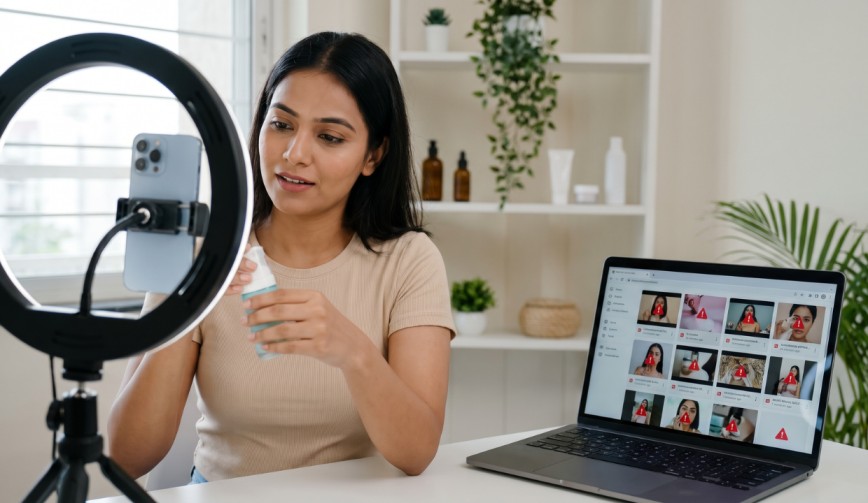
You filmed the video, edited it, and sent your portfolio out to 10 brands. Then you got nothing. No response at all. No “thanks, but no thanks.” If that’s the scenario you’re in, then you’re probably making one of the UGC portfolio mistakes that see brands simply ignore your content. The good news is that most of these are pretty easy to fix.
UGC stands for user-generated content. It’s content created by real people rather than big agencies. It’s the kind of content that brands love because it’s perceived as authentic. The only catch is that you’ll only be hired as a UGC creator if your portfolio makes the job look easy. Let’s have a look at what might be holding you back.
1. Your Portfolio Is Too Long

(Source – OpenAI)
Many people think that more is better. They’ll upload 40 videos and hope that one of them gets noticed. In practice, though, a brand manager may have only about 30 seconds to look at your work, and no one wants to go through a digital attic.
Pick your very best 5 to 8 videos. Quality over quantity every time. If a video makes you wince even slightly, it doesn’t belong in your portfolio.
👉Click here to see how Boss Wallah works with brands and what we can build for you
2. You Have No Clear Niche
A UGC niche is the type of product you’re creating content for, such as skincare, fitness, pet products, or kitchen gadgets. If your portfolio has a lipstick video, a protein powder video, and a dog toy review, brands may be left confused. They don’t know whether you understand their audience.
You don’t have to stick to one niche for life. But having a focused body of work does make you look like a safer choice.
3. Your Videos Start Slowly
The first three seconds of a video are your hook. That’s the moment when you stop viewers from scrolling. If your video starts with “Hi guys, so today I wanted to talk about…”, you’ve probably already lost their attention.
Try starting with a bold line, a surprising result, or a quick problem. “This cleaning spray saved my sink” is a lot better than a slow hello.
4. Poor Lighting and Sound
UGC is all about feeling natural, but that doesn’t mean your videos should be blurry or muffled. A brand won’t want to run an advert where viewers can’t actually hear the product being described.
You don’t need fancy equipment. A few simple changes can make a big difference:
- Film near a window to get natural light.
- Wipe your phone’s camera lens before recording.
- Use an affordable clip-on microphone for clearer audio.
These small improvements can make your UGC videos look much more professional.
Read More | Top 10 UGC Agencies in India for Brands Looking to Create Better Content.
5. You Show Content but Not Results
Brands want to know whether your content works, not just whether it looks good. If you’ve worked with a brand before, mention the results. Did a video get lots of views? Did it generate sales or engagement?
A simple statement like “This video got 50K views” can be more convincing than a general claim about your skills, provided the result is accurate.
If you’re just getting started, create sample content around products you already own and explain the thinking behind each video. That’s how you start showing brands that you think like a marketer.
6. No Variety in Content Style
Some portfolios contain 10 videos in exactly the same format, such as a person holding a product and talking about it. Brands want to see that you can adapt your content to different needs.
A strong portfolio usually includes:
- A talking-to-camera review.
- A short unboxing video.
- A how-to video or tutorial.
- A photo set or product close-ups.
- A video using B-roll, which is extra footage showing the product in action.
This variety shows that you can handle different types of brand collaborations instead of relying on just one format.
7. Hard-to-Find Contact Details
This one is absurd, really, but it happens all the time. A brand likes your work but can’t find your email address. They’re gone in minutes.
Make it easy for brands to contact you by including:
- Your professional email address.
- Links to your social media profiles.
- A short bio explaining who you are and what you create.
Keep these details near the top of your portfolio so brands don’t have to search for them.
8. No Call to Action in Your Samples
A call to action (CTA) tells viewers what to do next, such as “Tap the link to try it” or “Shop the collection today.”
Including a CTA in relevant sample videos shows brands that you understand how advertising works. You’re not just creating attractive content; you’re also thinking about what the viewer should do after watching it.
9. Unclear Pricing and Rights
Brands will often ask about your UGC rates, which is simply how much you charge for creating content. You don’t necessarily need to publish your exact prices, but having a rate sheet ready shows that you’re professional.
You also need to understand usage rights. These are the permissions a brand receives to use your video, including whether it can run the content as a paid advertisement.
Before agreeing to a project, clarify:
- How much you’ll charge for each video.
- Whether the brand can use the content in paid ads.
- How long the brand can use your content.
- Which platforms the content can appear on.
- Whether additional usage requires an extra fee.
Clear terms help both you and the brand understand what’s included in the deal.
10. Your Portfolio Looks Messy
Your content creator portfoliois your shop window. If it’s difficult to navigate, full of broken links, or cluttered with poor thumbnails, brands may assume that’s the standard of your work.
A clean layout on a simple website, Notion page, or portfolio platform is often enough. Keep the design simple and let your content do the talking.
Before sharing your portfolio, check that:
- All video links open correctly.
- The thumbnails are clear and relevant.
- The layout works on mobile and desktop.
- The best videos are easy to find.
- The contact details are visible.
A little organisation can make your portfolio much easier to review.
Read More | Creator Licensing for Brands: What to Check Before Reusing Creator Content.
How to Fix Your Portfolio This Week
(Source – OpenAI)
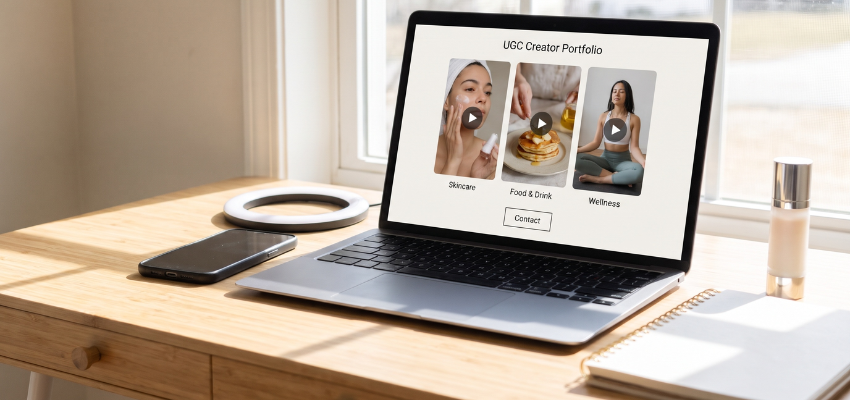
You don’t need to rebuild everything from scratch. Try this simple plan:
- Remove anything that isn’t among your best work.
- Choose one or two niches to focus on.
- Re-edit your hooks so they grab attention from the first few seconds.
- Add your contact details near the top.
- Write a brief line explaining the purpose of each video.
- Check that all links work and the portfolio is easy to navigate.
When pitching to brands, send a short, friendly message with a link to your work. Don’t attach a massive file or write an essay. Think of it as a quick hello rather than a speech at a wedding.
Need Videos, Creators, or Regional Content for Your Brand?
Boss Wallah helps brands plan and execute video content at scale, without managing multiple vendors.
We work with companies to:
- Shoot large volumes of short-form videos using real creators and studio setups, suitable for social media, websites, campaigns, and launches
- Adapt the same videos for different languages, regions, and platforms, so one shoot works across India and global markets
- Launch products or campaigns through dozens or hundreds of creators, all managed, tracked, and reported in one system
- Support brands with ongoing content, launches, regional expansion, and performance-focused campaigns
Whether you need videos for a new launch, content for multiple markets, creator-led visibility, or a steady content pipeline, Boss Wallah acts as a single partner handling production, creators, and execution end-to-end.
👉Click here to see how Boss Wallah works with brands and what we can build for you
Final Thoughts
Brands aren’t necessarily ignoring you because you lack talent. More often, your portfolio makes it difficult for them to see why they should hire you.
Once you’ve fixed these UGC portfolio mistakes that make brands ignore your content, you’ll have a better chance of getting noticed and receiving replies. There’s no guarantee of an immediate brand deal, but a clear, focused portfolio makes it easier for brands to understand your strengths.
Fix one thing at a time, keep creating, and be patient. Your next brand deal could be just one small tweak away.
FAQs
1. How many videos should a UGC portfolio contain?
Aim for 5 to 8 of your best pieces. That’s enough to demonstrate your ability without overwhelming brands with too much content.
2. Do I need a website for my UGC portfolio?
Not necessarily. A clean Notion page, Google Drive folder, or portfolio platform can work well. Just make sure the link opens easily and the content is organised.
3. Can I build a portfolio with no prior brand deals?
Yes. Create sample videos using products you already own or borrow from friends. Brands will want to see the quality of your content and your ability to present a product effectively, even if you haven’t worked with a major brand yet.
4. Should I put my prices in my portfolio?
You can, but it’s not essential. Many creators keep a separate rate sheet to share with brands when requested. The important thing is to know your rates and explain what’s included.
5. How frequently should I update my portfolio?
Review it every two to three months. Replace older work with stronger examples and update your contact details, links, and pricing information when needed.