Creator Licensing for Brands: What to Check Before Reusing Creator Content
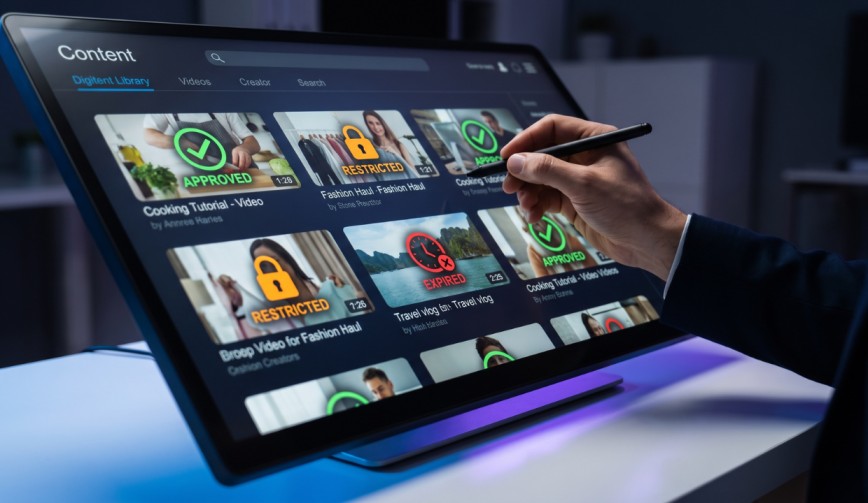
Working with creators lets brands connect with their audience through videos, genuine product reviews, and interesting social media posts. But what happens when a brand wants to reuse a creator’s video in an advertisement, on its website, or in other marketing channels?
This is where creator licensing for brands becomes important. Just because a creator makes content for your brand doesn’t mean you can use it anywhere you want. A video made for Instagram, for example, might not include permission to run paid advertisements or appear on a product page.
Before reusing creator content, brands need to understand what they can use, where they can use it, and for how long. A few simple checks can prevent confusion, unexpected costs, and unpleasant situations later.
What Does Creator Licensing Mean for Brands?

(Source – OpenAI)
Creator licensing for brands means getting permission to use content created by a creator under agreed conditions. The content might include videos, photos, product reviews, testimonials, or other social media posts.
For example, a creator might make a video showing how to use your skincare product. Your brand might want to post that video on Instagram, use it in an email campaign, or turn it into a paid advertisement.
Each use might need separate permission.
A content licensing agreement explains how the brand can use the content, where it can appear, and how long the permission lasts. It helps both sides understand their rights before the content is published.
Think of it as setting the rules before taking your content on a marketing world tour.
👉Click here to see how Boss Wallah works with brands and what we can build for you
6 Things Brands Should Check Before Reusing Creator Content
1. Check the Content Usage Rights
The first step is to understand exactly what the creator has allowed your brand to do.
Content usage rights explain how a brand can use a creator’s work. For example, permission to post a video on your brand’s Instagram account does not automatically include permission to use it in paid advertising.
Before reusing content, check whether your agreement includes:
- Posting content on your brand’s social media accounts.
- Using videos or photos on your website.
- Including creator content on product pages.
- Adding content to email marketing campaigns.
- Using creator videos in paid advertisements.
Never assume that approval for one use covers every other use.
2. Make Sure Paid Advertising Permissions Are Included
A creator’s video might perform well as an organic post, meaning a post that is not promoted through paid advertising. The brand might then want to use that video in an advertisement.
Before turning creator content into ads, make sure the paid usage rights are clear.
Check whether the agreement allows you to use the content through your advertising account or in creator-led ad formats. Sometimes, the creator may also need to approve the promotion or provide access through their social media account.
If paid advertising is not included in the original agreement, ask for permission and discuss any additional costs.
A popular video offers a great opportunity, but that does not mean it can be used everywhere.
3. Decide Where the Content Can Be Published
Different marketing channels serve different purposes. A video that works well on Instagram Reels might also be useful on YouTube, a website, or an online store.
Your creator licensing agreement should clearly state which platforms and channels can feature the content.
For example, check whether you can use the content on:
- Instagram, Facebook, and YouTube.
- Your brand’s online store.
- Paid social media campaigns.
- Promotional email newsletters.
If you plan to use the content across several channels, include those uses in the agreement from the start. It is easier than going back to the creator every time a new marketing idea comes up.
Read More | Creator Marketing Attribution: Are You Measuring Influence or Just Counting Clicks?
4. Set a Time Limit for Using the Content
Creator content does not always come with unlimited usage rights.
Some agreements allow a brand to use content for 30 days, three months, or one year. Others may allow longer use under specific conditions.
The content licensing agreement should state when permission begins and ends. It should also explain what happens when the agreed period expires.
For example, a brand might have permission to use a creator’s video as an advertisement for three months. If it wants to keep using the video after that, it may need to request an extension.
Keep track of expiry dates so your marketing team does not accidentally use content beyond the agreed period.
5. Understand Your Rights to Edit the Content
Brands often make small changes to creator content before using it. These changes might include adding subtitles, trimming a video, resizing it for different platforms, or adding a brand logo.
However, not all agreements allow every type of change.
Check your content reuse rights to understand which edits are permitted. Get approval first if you want to change the creator’s words, remove important parts, or combine the video with other material.
The goal is to adapt the content for your campaign without changing its meaning or making the creator appear to say something they never said.
6. Check Ownership and Payment Terms
A common mistake is confusing content ownership with permission to use it.
A creator may retain ownership of a video while allowing your brand to use it under a licence. This gives your brand permission for agreed uses without necessarily transferring ownership.
Your creator contract should clearly explain:
- Who owns the content.
- What usage rights the brand receives.
- Whether additional payment is required for extended use.
- What extra costs apply to paid advertising or additional platforms.
Clear terms help both sides understand their responsibilities and avoid unnecessary disagreements later.
Common Creator Licensing Mistakes Brands Should Avoid
(Source – OpenAI)
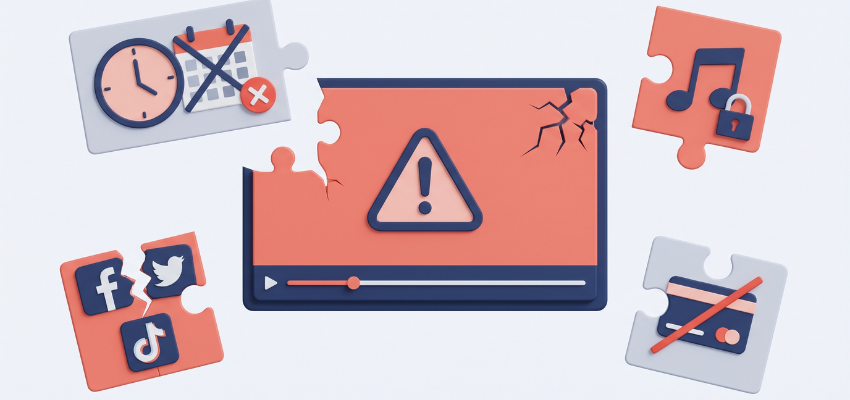
Even well-organised marketing teams can miss important details. Watch out for these common mistakes:
- Assuming payment means unlimited rights: Paying a creator does not automatically allow your brand to use the content everywhere.
- Forgetting expiry dates: Content may need to be removed or relicensed after the agreed period ends.
- Relying only on verbal permission: Keep permissions and agreed terms in writing.
- Using content on new platforms without checking: A licence might cover Instagram but not other platforms.
- Ignoring third-party material: Music, stock footage, or other material in a video may have separate usage restrictions.
A simple review process can help your team avoid these problems before launching a campaign.
Read More | Beyond Views and Likes: How to Measure Creator Campaign Impact.
Need Videos, Creators, or Regional Content for Your Brand?
Boss Wallah helps brands plan and execute video content at scale, without managing multiple vendors.
We work with companies to:
- Shoot large volumes of short-form videos using real creators and studio setups, suitable for social media, websites, campaigns, and launches
- Adapt the same videos for different languages, regions, and platforms, so one shoot works across India and global markets
- Launch products or campaigns through dozens or hundreds of creators, all managed, tracked, and reported in one system
- Support brands with ongoing content, launches, regional expansion, and performance-focused campaigns
Whether you need videos for a new launch, content for multiple markets, creator-led visibility, or a steady content pipeline, Boss Wallah acts as a single partner handling production, creators, and execution end-to-end.
👉Click here to see how Boss Wallah works with brands and what we can build for you
Final Thoughts
Creator content can build brand awareness, earn customer trust, and help people understand your products better. But getting the most out of it requires more than finding a good video and clicking the share button.
Creator licensing for brands is about setting clear expectations before reusing content. Check the usage rights, paid advertising permissions, allowed platforms, time limits, editing rules, ownership, and payment terms.
When these details are agreed upon in advance, brands can reuse creator content with greater confidence while maintaining good relationships with the people who made it.
After all, a good creator partnership should create opportunities for both sides, not surprises hidden in the fine print.
Frequently Asked Questions
1. What does creator licensing mean for brands?
It allows brands to use creator-made content under agreed conditions.
2. Can brands use creator content in paid advertisements?
Yes, provided they have the necessary paid advertising permissions.
3. Does paying a creator mean the brand owns the content?
No. Ownership and usage rights depend on the agreement.
4. How long can brands reuse creator content?
It depends on the licence, which may specify a limited period or allow longer use.
5. What should a creator licensing agreement include?
It should cover ownership, permitted uses, platforms, duration, editing rights, advertising permissions, and payment terms.