Paid Usage Rights for Creator Content: Can Brands Turn Creator Videos Into Ads?
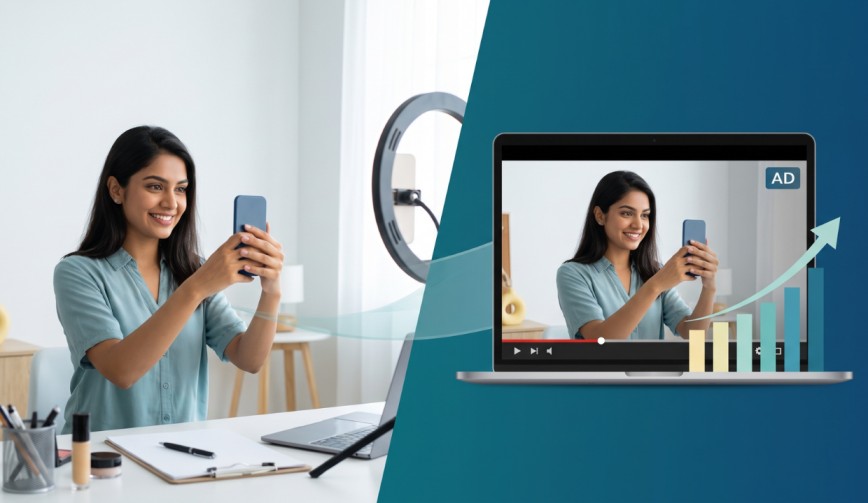
You upload a funny video featuring a brand’s product, and it proves to be a success. Suddenly, you notice that the same video is being used as an advertisement, with the brand’s logo now attached to it. Were you asked first?
That’s where paid usage rights for content created by creators come into play. If you are a brand or a content creator, the simple answer to the question, “Can brands turn creator videos into ads?” is yes, but only with the appropriate permission. Let’s look at how this works without getting lost in legal complications.
Just What Are Usage Rights, Then?
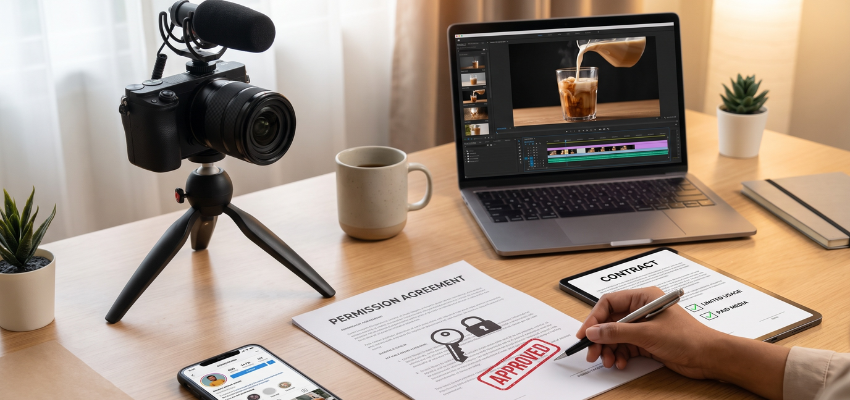
(Source – OpenAI)
Usage rights are simply permission to use someone else’s work in a particular way. When a creator produces a video, they generally own the content they create, and a brand that pays for a post doesn’t automatically have the right to use it everywhere.
It’s similar to hiring a bicycle. Just because you pay for one ride doesn’t mean you can take the bicycle home, paint it, and then sell it. The same principle applies here.
👉Click here to see how Boss Wallah works with brands and what we can build for you
Organic Posts vs. Paid Ads
When a creator posts a video on their own page, it is considered organic content. It is seen by their followers, and the brand doesn’t pay the platform to promote it.
Paid advertising works differently. The brand pays a platform such as Instagram, TikTok, or YouTubeto show the video to a much larger audience. Since the content is now being used for advertising, the creator should be compensated for that additional use according to the agreed terms.
Why Brands Love Turning Creator Videos Into Ads
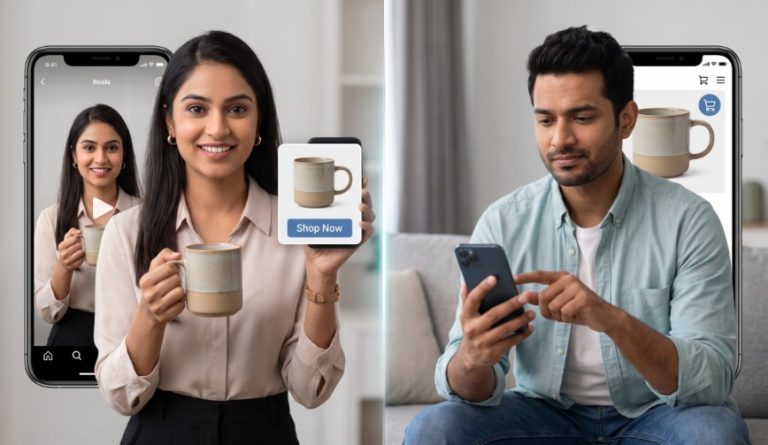
Ads featuring real people discussing real products can feel more relatable and trustworthy. Many brand partnerships now include this approach because creator-style ads can generate engagement and may cost less to produce than highly polished studio advertisements.
Brands can also save time by using a video that has already attracted attention instead of hiring a film crew to create something entirely new.
Read More | Instagram Free Followers Tactics That Work Without Paid Ads.
How Paid Usage Rights for Creator Content Work in Practice
Here are the most common ways brands use creator videos in advertisements:
- Whitelisting: The brand runs ads through the creator’s social media account, often displaying the creator’s name and username. This can make the advertisement feel like a regular post. On Meta platforms, this is commonly associated with partnership ads.
- Spark Ads: TikTok allows brands to promote a creator’s existing post through Spark Ads. The original post’s likes, comments, and other engagement can remain associated with it.
- Content licensing: The brand receives permission to use the video file on its own social media accounts, website, email campaigns, or other agreed marketing channels.
Each method requires the appropriate authorisation, and the fee may vary depending on the type and scope of usage.
What Price Should Be Paid for Usage Rights?
There is no fixed price for paid usage rights. Several factors can affect the fee:
- Duration: Using a video for 30 days generally costs less than using it for six months or a full year.
- Platforms: Using a video on one platform may cost less than using it across several platforms.
- Advertising budget: A small test campaign is different from a large national advertising campaign.
- Exclusivity: If the creator cannot collaborate with competing brands during the agreed period, they may charge an additional fee.
Some creators charge a usage rights fee equal to a percentage of their base rate. A figure between 20% and 100% is sometimes used as a starting point, depending on the circumstances. However, this is not a universal industry standard, and actual fees can vary considerably.
What to Put in the Creator Contract
A well-written creator contract can prevent uncomfortable emails and disagreements later. It should clearly state:
- Content covered: Which videos, photos, or other materials the brand can use.
- Platforms and channels: Where the content can appear, including social media, websites, and email campaigns.
- Usage period: How long the brand can use the content.
- Editing permissions: Whether the brand can trim the video, add text, change the format, or make other edits.
- Payment: How much the creator will receive for the additional usage rights.
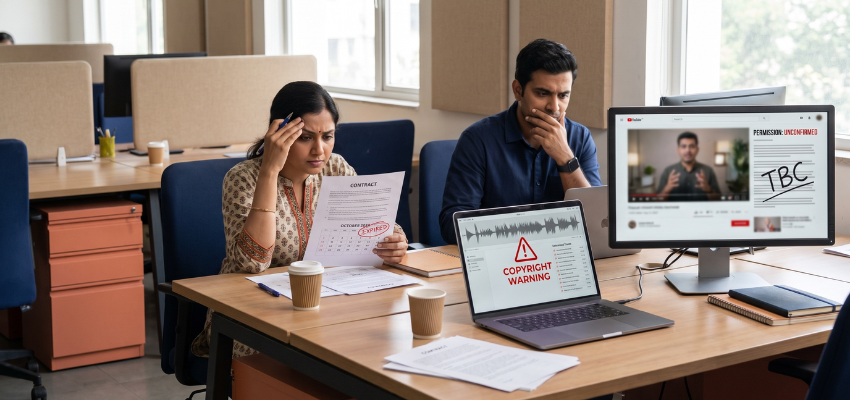
- Expiry terms: What happens when the agreed usage period ends, including when the brand must stop running the ads.
It’s not a good idea to rely only on a brief message sent through direct messages. A short written agreement takes little effort and can prevent major arguments later.
Read More | Instagram Sponsorship Rates India: Followers Look Big, But Rates Tell the Real Story.
Common Mistakes to Avoid
(Source – OpenAI)
Both brands and creators should watch out for a few common mistakes.
For brands:
- Don’t assume that paying for a creator’s post automatically includes permission to use it in paid ads.
- Don’t continue using a video after the agreed usage period has expired without renewing the permission.
- Check that the music, images, and other elements in the video are cleared for commercial advertising.
For creators:
- Don’t agree to unlimited usage forever for a small fee without carefully considering the consequences.
- Check whether the agreement allows the brand to use your image and voice in advertisements for years without additional payment.
- Make sure you understand any exclusivity requirements before accepting the deal.
Both sides should also check the music used in the video. A popular song may be acceptable in an organic post but unavailable for paid advertising because commercial use can involve different licensing requirements.
Need Videos, Creators, or Regional Content for Your Brand?
Boss Wallah helps brands plan and execute video content at scale, without managing multiple vendors.
We work with companies to:
- Shoot large volumes of short-form videos using real creators and studio setups, suitable for social media, websites, campaigns, and launches
- Adapt the same videos for different languages, regions, and platforms, so one shoot works across India and global markets
- Launch products or campaigns through dozens or hundreds of creators, all managed, tracked, and reported in one system
- Support brands with ongoing content, launches, regional expansion, and performance-focused campaigns
Whether you need videos for a new launch, content for multiple markets, creator-led visibility, or a steady content pipeline, Boss Wallah acts as a single partner handling production, creators, and execution end-to-end.
👉Click here to see how Boss Wallah works with brands and what we can build for you
Final Thoughts
Yes, brands can turn creator videos into advertisements, provided they obtain the appropriate permission and agree on the terms and payment. When influencer marketing is handled properly, brands get effective advertising content, creators receive fair compensation, and both sides can avoid awkward discussions later.
FAQs
1. Can a brand use my video for advertising purposes without my permission?
Generally, a brand needs appropriate permission to use your video in a paid advertisement unless an existing agreement or applicable law already allows that use.
2. What is the difference between whitelisting and content licensing?
Whitelisting involves running an advertisement through a creator’s social media account, while content licensing allows a brand to use the video through its own accounts or other agreed channels.
3. For how long should usage rights last?
Usage rights can last anywhere from a few weeks to several months or longer. The appropriate duration depends on the campaign and the agreement between the brand and creator.
4. Do I have to pay extra for usage rights?
Creators typically charge an additional fee when brands want to use their content in paid advertisements, although the final arrangement depends on the original contract.
5. After the contract has ended, can I request that the video be removed?
The contract should specify when the brand must stop using the content and remove or discontinue advertisements covered by the expired permission. Any further rights or obligations depend on the agreement and applicable law.