How a Meta Ads Video Agency Plans Shoots for Multiple Ad Variations
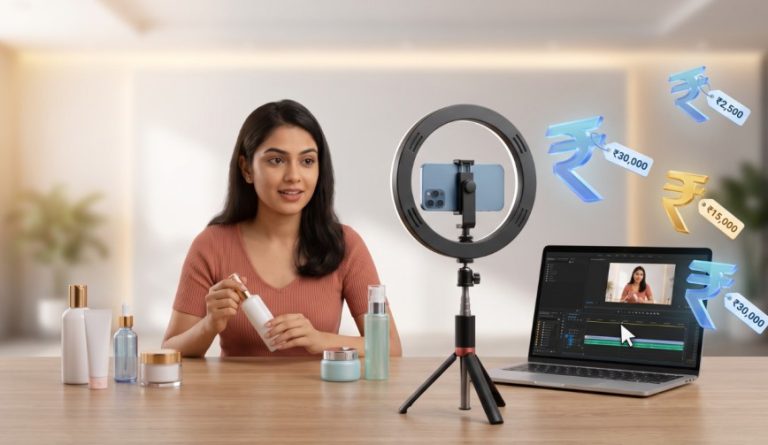
If you imagine a Meta ads video shoot as one script, one camera, and one perfect take, you are thinking like a brand film. A Meta ads video agency thinks very differently. For them, a shoot is not about making one beautiful video. It is about creating multiple performance-ready ad variations from a single shoot.
This approach helps brands test faster, learn quicker, and scale ads without burning money on repeated productions. Let us walk through how this planning actually happens behind the scenes.
Why Meta Ads Need Multiple Video Variations

( Source – searchengineland.com )
Meta platforms like Facebookand Instagram work on testing and optimisation. The algorithm does not magically know which creative will work best. It learns by comparing different versions.
This is why agencies never rely on just one video.
Key reasons multiple variations are important
Different people react to different messages
Attention spans vary across audiences
What works today may stop working next week
Small creative changes can improve results significantly
This testing process is called A/B testing, which simply means running different versions of an ad to see which one performs better.
Without variations, Meta has nothing to optimise.
Check Out
BossWallah enables you to create, optimise, and grow social media video channels effortlessly from scratch.
Step 1: Starting With a Clear Advertising Goal
Before cameras are switched on, the agency first locks the objective of the ad.
Common objectives include:
Generating leads
Driving website sales
Increasing app installs
Building brand awareness
Each goal needs a different video structure.
For example:
A lead generation ad focuses on trust, clarity, and reassurance
A sales ad focuses on offers, urgency, and benefits
A branding ad focuses on recall and emotion
Once the goal is fixed, the type of variations needed becomes clearer.
Step 2: Defining the Core Message That Stays Constant
Every variation still revolves around one core message.
This is the central promise of the product or service.
Example core messages:
Save two hours daily using this tool
Visible skin improvement in 14 days
One solution for all your accounting headaches
No matter how many ads are created, this message remains unchanged. What changes is how it is presented.
ALSO READ | How Much Does a Meta Ads Video Agency Cost in India?
Step 3: Planning Multiple Hooks for the Same Message
A hook is the first line or visual that grabs attention in the first three seconds. On Meta, these three seconds decide everything.
Agencies plan multiple hooks because no single hook works for everyone.
Common hook styles planned during a shoot:
Problem-based hooks that call out pain points
Curiosity hooks that tease an outcome
Bold statement hooks that challenge assumptions
Testimonial hooks that start with a real reaction
Question hooks that make viewers pause
Each hook is shot separately so that editors can mix and match later.
Step 4: Breaking the Script Into Small Modules
Instead of one long script, agencies use modular scripting.
This means the script is divided into small sections that can be rearranged.
Typical script modules include:
Opening hook
Problem explanation
Product introduction
Key benefits
Proof such as reviews or results
Call to action
Each module is recorded with slight variations in tone, delivery, or wording. This gives editors the flexibility to create many ads without reshooting.
Step 5: Creating a Shot List That Looks Overprepared
Clients are often surprised by how detailed the shot list is.
But every extra shot serves a purpose.
Agencies usually capture:
Multiple camera angles for the same scene
Close-ups and wide shots
Different facial expressions and hand movements
Product shots from various angles
Lifestyle shots and static shots
This helps fight ad fatigue, which means audiences stop responding when they see the same creative repeatedly.
More footage means more ways to refresh ads later.
Step 6: Shooting With Multiple Formats in Mind
Meta supports many placements and formats, so agencies plan framing carefully.
Common formats include:
Square videos for feeds
Vertical videos for Reels and Stories
Short clips for cold audiences
Longer clips for warm audiences
During the shoot, space is left around the subject so cropping does not cut off faces, products, or text later.
Step 7: Keeping Visuals Performance Friendly
Meta ads are not judged like film festival entries. They are judged by results.
That is why agencies prioritise:
Clear visuals over fancy backgrounds
Natural lighting over dramatic lighting
Real people over polished models
Clear speech over cinematic dialogues
Relatable ads often outperform overly polished ones. Agencies plan shoots with this reality in mind.
Step 8: Shooting Multiple Calls to Action
A call to action tells viewers what to do next.
Common examples include:
Shop now
Learn more
Book a demo
Sign up today
Agencies record multiple call-to-action versions even if the rest of the video remains the same. Sometimes changing just this line can improve conversion rates.
Step 9: Planning for Iteration, Not Perfection
This is where performance agencies differ from traditional production houses.
Production houses aim for perfection
Meta ads agencies aim for learning
They expect some ads to fail. That failure is not wasted effort. It is data.
By planning multiple variations upfront, agencies ensure that:
Poor performers can be paused quickly
Winning ads can be scaled faster
New versions can be launched without reshoots
Step 10: Editing for Testing and Scaling
Once the shoot is done, editors get to work.
They create variations by:
Swapping hooks
Changing text overlays
Adjusting video lengths
Reordering scenes
Testing different opening frames
Short videos are often used for cold audiences. Slightly longer ones are used for retargeting audiences who already know the brand.
One shoot can easily produce 20 to 40 ad variations when planned properly.
ALSO READ | One Shoot, 20 Variations: How a Meta Ads Video Agency Thinks in Systems, Not Campaigns.
Why This Approach Saves Money Over Time

( Source – disruptivedigital.agency )
While it may look expensive upfront, this method reduces long-term ad costs.
More variations lead to:
Faster testing
Faster identification of winners
Better optimisation
Lower cost per acquisition
Cost per acquisition means how much it costs to get one customer or lead. Strong creatives bring this number down over time.
Check Out
Boss Wallah Studios empowers entrepreneurs and brands to produce high-quality content with ease.
Final Thoughts
A Meta ads video agency does not treat shoots as one-time events. They treat them as content systems.
Every extra shot, every repeated line, and every alternate hook is planned with performance in mind. The goal is not to create one perfect video. The goal is to create enough variations for Meta to test, learn, and scale.
That is why a well-planned shoot can quietly power weeks or even months of profitable ad campaigns, without anyone outside the marketing team realising how much thought went into those few seconds of video.