Why Digital Reputation Is Becoming More Valuable Than Advertising
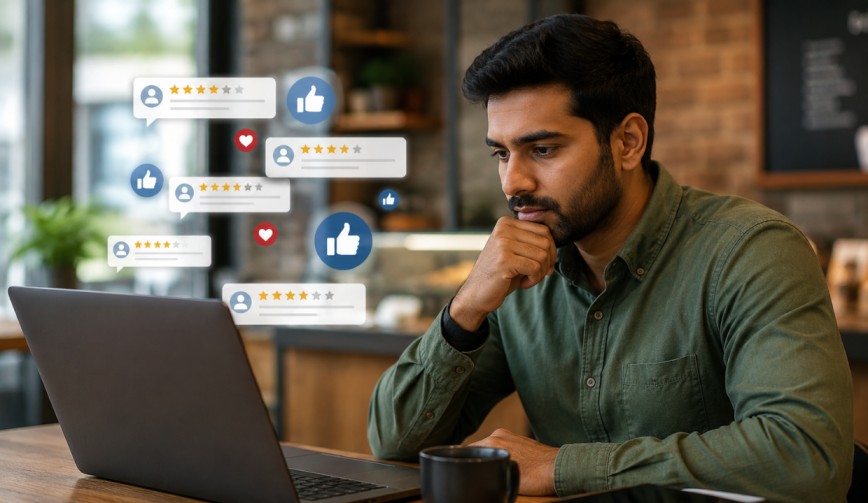
Do you remember when a fun TV ad or a catchy jingle was enough to make people like a brand? Those days are almost gone now. Today, before buying anything, most people do something much smarter than just watching an ad. They search online. They read reviews. They check what other people are saying about it. In simple words, people check a brand’s digital reputation before they even look at the price.
This change is quietly making a big difference in how businesses grow. Advertising is still useful, but digital reputation is slowly becoming more important. Let’s understand why, in easy words.
What Is Digital Reputation?
(Source – forbes.com)
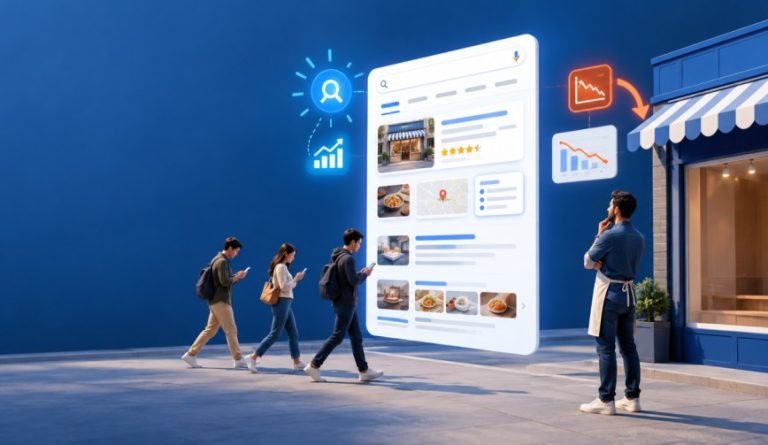
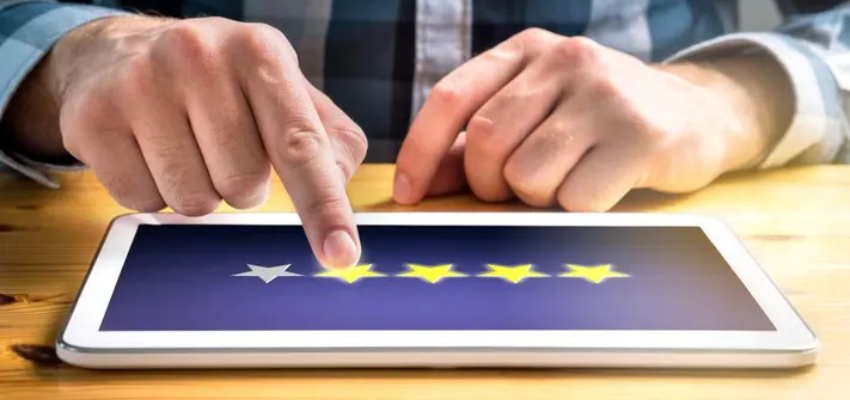
Digital reputation means how a person, brand, or business looks online. It includes things like Google reviews, comments on social media, news stories about the brand, and even random posts where someone talks about their experience with it, good or bad.
Think of it like a report card, but this report card is online, and anyone can see it. Nobody even asks for permission before giving marks.
An advertisement is made and controlled fully by a company. But digital reputation is made by everyone else. Customers write reviews. News reporters write stories. A random person might post about how their food delivery order went wrong. All these bits come together to form a bigger picture, and this picture feels far more real than any advertisement.
This is why online reputation management, which simply means keeping an eye on and improving how a brand looks online, has become such an important job for businesses big and small.
👉Click here to see how Boss Wallah works with brands and what we can build for you
Why People Trust Reviews More Than Ads
Here is something interesting. Most people trust a stranger’s review more than they trust a company’s own advertisement. Why does this happen? Because ads are made by the company itself, so they will always say good things about their own product. No company will ever make an ad saying “our product is just okay, nothing special.”
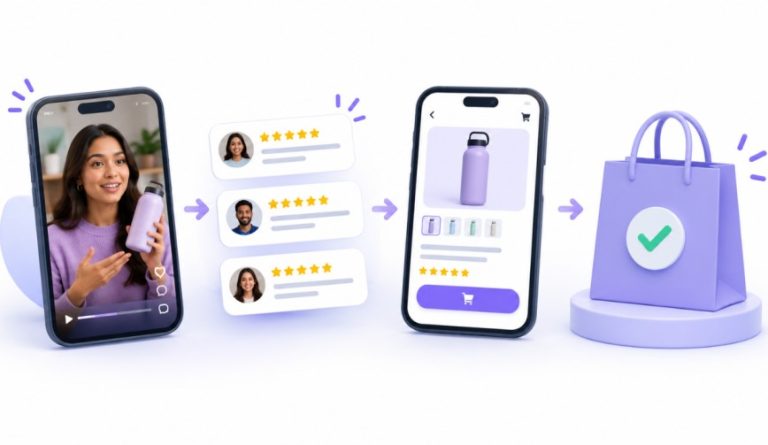
Reviews feel different. They are written by real people who used the product, and they usually have no reason to lie. This idea is called social proof, which simply means people trust what other people say more than what a brand says about itself.
Here are a few simple reasons why social proof works so well:
- People feel safe buying something if many others have already tried it and liked it
- A few negative reviews actually make the good reviews feel more honest
- Star ratings help people decide quickly without reading too much
- When many people say the same good thing, it feels true
Read More | Brand Collaboration Rates: How to Calculate Them Without Underselling Yourself.
Ads Make Promises, Reputation Shows Proof
An advertisement is like a company saying, “Trust us, we are the best.” Digital reputation is like the internet saying, “Let’s actually check if that is true.”
This is the biggest difference between the two. An ad is just a promise. A review or rating feels like real proof to the person reading it. People have seen so many ads with big claims that they have become a little doubtful of them. That is why proof always feels stronger than a promise.
This does not mean ads are useless. Ads are great for making people notice a brand for the first time. But after that, what makes people stay and buy is brand trust. So ads help you get noticed, but reputation helps you get trusted.
Here is a simple table to make this clearer:
| Point | Advertising | Digital Reputation |
|---|---|---|
| Who controls it | The brand itself | Customers and the public |
| Cost | Keeps costing money | Mostly free once built |
| How real it feels | Feels a bit biased | Feels honest and real |
| How long does it last | Short time | Long time |
| What it does | Gets attention | Builds trust |
Today’s Customers Love To Research
Modern customers like to check everything before buying. Before booking a hotel, they read reviews. Before hiring someone for a job, they check their ratings. Before buying a phone, they might watch many videos and read comments comparing every small detail.
This habit has created the research-first customer. Such people don’t just see an ad and buy right away. They see the ad, search the brand online, check the reputation, compare it with other brands, and only then decide.
If a brand’s digital footprint, which means all the information about it found online, looks messy or full of complaints, then even a huge ad budget cannot fix that easily. People will simply skip the ad and choose a competitor with better reviews instead.
Here is what a normal buying journey usually looks like today:
- Sees an ad or a social media post
- Searches the brand name on Google
- Check the star rating and recent reviews
- Reads comments or complaints on social media
- Compares the brand with one or two others
- Finally, decide whether to buy or not
Notice how the ad is only the very first step. Everything that happens after that depends completely on reputation.
Reputation Keeps Working Even Without Spending Money
One great thing about a good digital reputation is that it keeps working all day and night, without needing fresh money every month. If a happy customer leaves a good review at midnight, that review keeps helping the brand even while everyone is asleep. An ad, on the other hand, stops working the moment the company stops paying for it.
This kind of free attention is called earned media, which means getting noticed without paying for it directly. This is different from paid media, which is just another name for regular advertising. Earned media, like reviews and word of mouth, tends to stay and build trust slowly over time. Paid media disappears as soon as the budget runs out.
Brand Trust Is Like New Age Currency
At the end of the day, businesses are not really chasing likes or views. They are chasing trust. Brand trust means how confident people feel about a brand being honest and reliable, and it is now one of the biggest reasons people decide to buy something.
Trust does not come only from ads. It comes from good experiences customers share online, from honest replies to complaints, and from a feeling that the brand seems genuine. That feeling never comes from a thirty-second ad. It comes from digital reputation.
Should Businesses Stop Using Ads Then?
(Source – karnavatiuniversity.edu.in)
Not at all. Ads are still important, especially to help new people discover a brand for the first time. Think of an ad as saying hello, and digital reputation as the friendship that follows after that. Both are needed, but one clearly lasts much longer.
Smart businesses today are spending a little less on ads and a little more on improving their online brand image. Here are some simple habits that help with this:
- Ask happy customers to leave honest reviews
- Reply politely to every review, even the angry ones
- Fix real problems instead of hiding or arguing about them
- Keep business details updated everywhere online
- Stay honest and a little friendly in every online chat
These steps sound very simple, and they really are, but they often work better than a big billboard ever could.
Read More | Prompt Engineering for Entrepreneurs: A Practical Guide to Better AI Results.
Need Videos, Creators, or Regional Content for Your Brand?
Boss Wallah helps brands plan and execute video content at scale, without managing multiple vendors.
We work with companies to:
- Shoot large volumes of short-form videos using real creators and studio setups, suitable for social media, websites, campaigns, and launches
- Adapt the same videos for different languages, regions, and platforms, so one shoot works across India and global markets
- Launch products or campaigns through dozens or hundreds of creators, all managed, tracked, and reported in one system
- Support brands with ongoing content, launches, regional expansion, and performance-focused campaigns
Whether you need videos for a new launch, content for multiple markets, creator-led visibility, or a steady content pipeline, Boss Wallah acts as a single partner handling production, creators, and execution end-to-end.
👉Click here to see how Boss Wallah works with brands and what we can build for you
Final Thoughts
Advertising will always be useful for getting attention. But in a world where anyone can search a brand’s name in two seconds, digital reputation has quietly become the thing that really seals the deal. People do not just want to be told a brand is great. They want to see proof of it themselves.
So next time a business is planning its marketing budget, maybe it should spend a little less time perfecting the ad, and a little more time making sure its online reputation truly supports it.
Have an idea but don’t know the first step?
BossWorks builds a step-by-step business plan tailored to your city and business type, with real costs, funding options, and launch tasks all in one place. Built for first-time founders, from idea to open.
FAQs
1. What is the difference between digital reputation and online reputation management?
Digital reputation is how a brand looks online, while online reputation management is the effort put into improving that look.
2. Can a business survive with a bad digital reputation but great advertising?
Only for a short time, because people eventually notice the gap between what the ads say and what the real reviews say.
3. How does social proof affect buying decisions?
Social proof makes people trust what other customers say more than what the brand says about itself.
4. Is earned media really better than paid advertising?
Earned media builds trust that lasts longer, while paid advertising is better for quick, short-term attention.
5. How can small businesses improve their digital reputation without spending much money?
By asking for honest reviews, replying kindly to feedback, and always giving customers a genuinely good experience.