Branding Power Play: How Brand Collaboration Can Supercharge Your Brand’s Identity
Branding is not just about logos, colours, or catchy taglines. It is about how people feel when they hear your name. It is the impression that stays in their mind long after they scroll past your post or walk out of your store.
Now here is a simple truth. Even the strongest brands sometimes need a little boost. That is where brand collaboration comes in.
When done right, collaboration is not just a marketing activity. It becomes a smart branding strategy that strengthens identity, expands reach, and builds trust faster than doing everything alone.
Let us understand how.
What Is Brand Collaboration in Branding?

( Source – freepik.com )
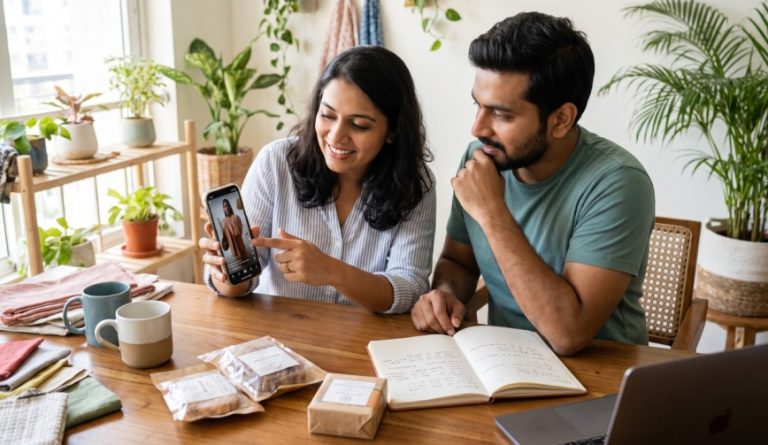
Brand collaboration is when two brands work together on a campaign, product, service, or content idea. Both brands bring their strengths to the table.
Think of it like two friends hosting a party together. One brings the food, the other brings the music. Guests enjoy more, and both hosts get credit.
In branding terms, collaboration helps you:
Reach a new audience
Improve brand positioning
Strengthen brand image
Build credibility
Increase brand visibility
It is a partnership with purpose.
Why Branding Becomes Stronger Through Collaboration
1. You Borrow Trust
Trust is hard to build. It takes time and consistency.
When you collaborate with a respected brand, you borrow some of that trust. Their audience sees you as approved, reliable, and worth checking out.
This is called brand association. It means your brand identity becomes connected with the values of the partner brand.
If they are known for quality, innovation, or affordability, those qualities reflect on you as well.
2. You Reach a New Audience Without Starting From Zero
Growing an audience takes effort. Brand collaboration gives you access to a ready-made audience.
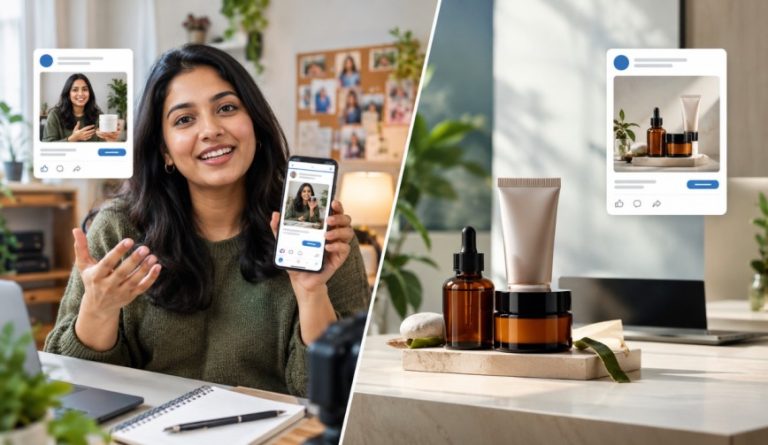
Imagine you run a skincare brand and collaborate with a wellness influencer brand. Their followers now discover you. That exposure strengthens your brand awareness, which is a key part of branding.
You are not shouting into the void. You are speaking to people who already trust your partner.
3. Your Brand Positioning Becomes Clearer
Brand positioning means how your brand stands out in the market.
When you choose the right collaboration partner, you send a strong message about who you are.
For example:
A luxury brand collaborating with a premium designer shows exclusivity.
A budget-friendly brand collaborating with a practical influencer shows accessibility.
Your partnerships silently communicate your identity.
4. It Creates Excitement and Freshness
Sometimes brands become predictable. Collaboration adds freshness.
Limited edition products, joint campaigns, or co-created content create buzz. People love something new.
This excitement improves brand recall. Brand recall means how easily people remember you.
If customers say, “Oh yes, that is the brand that did that cool collaboration,” your branding is working.
5. You Strengthen Emotional Branding
Emotional branding means creating feelings and connections, not just selling products.
When two brands come together for a meaningful cause or creative campaign, it feels bigger than business. It feels like a movement.
For example, two brands promoting sustainability together can create a stronger emotional impact than one brand doing it alone.
People connect with purpose.
ALSO READ | Branding Mistakes That Kill Engagement Before It Even Starts.
Types of Brand Collaboration That Improve Branding
Here are simple collaboration formats that support strong branding:
Co-Created Products
Two brands create a product together. This strengthens brand identity and uniqueness.
Content Collaboration
Instagram Live sessions, YouTube videos, and podcast interviews. This builds authority and personal branding.
Giveaway Campaigns
Both brands promote a joint contest. This increases brand visibility and engagement.
Event Partnerships
Hosting webinars or offline events together boosts brand credibility.
Cause-Based Campaigns
Working together for social impact improves brand image and emotional connection.
How to Choose the Right Brand for Collaboration
Not every collaboration helps branding. Some can confuse your audience.
Before partnering, ask:
Do we share similar values?
Is their audience relevant to ours?
Does this partnership strengthen our brand positioning?
Will this improve long-term brand equity?
Brand equity means the value your brand holds in the minds of customers.
If the collaboration feels forced, your audience will notice.
Common Branding Mistakes in Collaboration
Let us keep this practical.
1 . Choosing partners only for follower count
Big numbers do not always mean strong brand alignment.
2 . Ignoring brand consistency
If your tone is professional and your partner is casual and chaotic, your identity may become unclear.
3 . Focusing only on short-term sales
Collaboration should support long-term branding, not just quick revenue.
4 . Over-collaborating
If you collaborate too often, your brand may lose uniqueness.
Branding is about clarity. Collaboration should sharpen that clarity, not blur it.
ALSO READ | How Data-Driven Branding Improves ROI on Every Marketing Channel.
How Brand Collaboration Impacts Long-Term Branding

( Source – applabx.com )
When done strategically, collaboration helps:
Improve brand authority
Increase customer trust
Expand market presence
Build stronger brand recognition
Support sustainable brand growth
Over time, your brand is not seen as small or isolated. It becomes part of a larger ecosystem.
And that builds identity.
Need Videos, Creators, or Regional Content for Your Brand?
Boss Wallah helps brands plan and execute video content at scale, without managing multiple vendors.
We work with companies to:
- Shoot large volumes of short-form videos using real creators and studio setups, suitable for social media, websites, campaigns, and launches
- Adapt the same videos for different languages, regions, and platforms, so one shoot works across India and global markets
- Launch products or campaigns through dozens or hundreds of creators, all managed, tracked, and reported in one system
- Support brands with ongoing content, launches, regional expansion, and performance-focused campaigns
Whether you need videos for a new launch, content for multiple markets, creator-led visibility, or a steady content pipeline, Boss Wallah acts as a single partner handling production, creators, and execution end-to-end.
👉 Click here to see how Boss Wallah works with brands and what we can build for you
Final Thoughts
Branding is not built in isolation. It grows through conversations, relationships, and meaningful associations.
Brand collaboration is like adding fuel to an already moving car. It accelerates your visibility, strengthens your identity, and deepens trust.
But remember, collaboration is not about chasing popularity. It is about building positioning and long-term brand value.
Choose wisely. Align clearly. Execute creatively.
And let your branding speak louder through partnerships.
FAQs
1. How does brand collaboration improve branding?
Brand collaboration improves branding by increasing visibility, building trust through association, and strengthening brand positioning in the market.
2. Is brand collaboration suitable for small businesses?
Yes. Small businesses can use collaboration to access new audiences and build credibility faster without large advertising budgets.
3. What is the difference between brand collaboration and influencer marketing?
Brand collaboration usually involves two brands working together equally. Influencer marketing typically involves a brand paying a creator to promote products.
4. Can brand collaboration hurt branding?
Yes, if the partner brand does not align with your values or audience. Poor alignment can confuse customers and weaken brand identity.
5. How often should a brand collaborate?
There is no fixed rule. Collaborate strategically when it supports your brand positioning and long-term branding goals, not just for short-term attention.