Makhana Farming: Techniques, Challenges, Market Potential & More
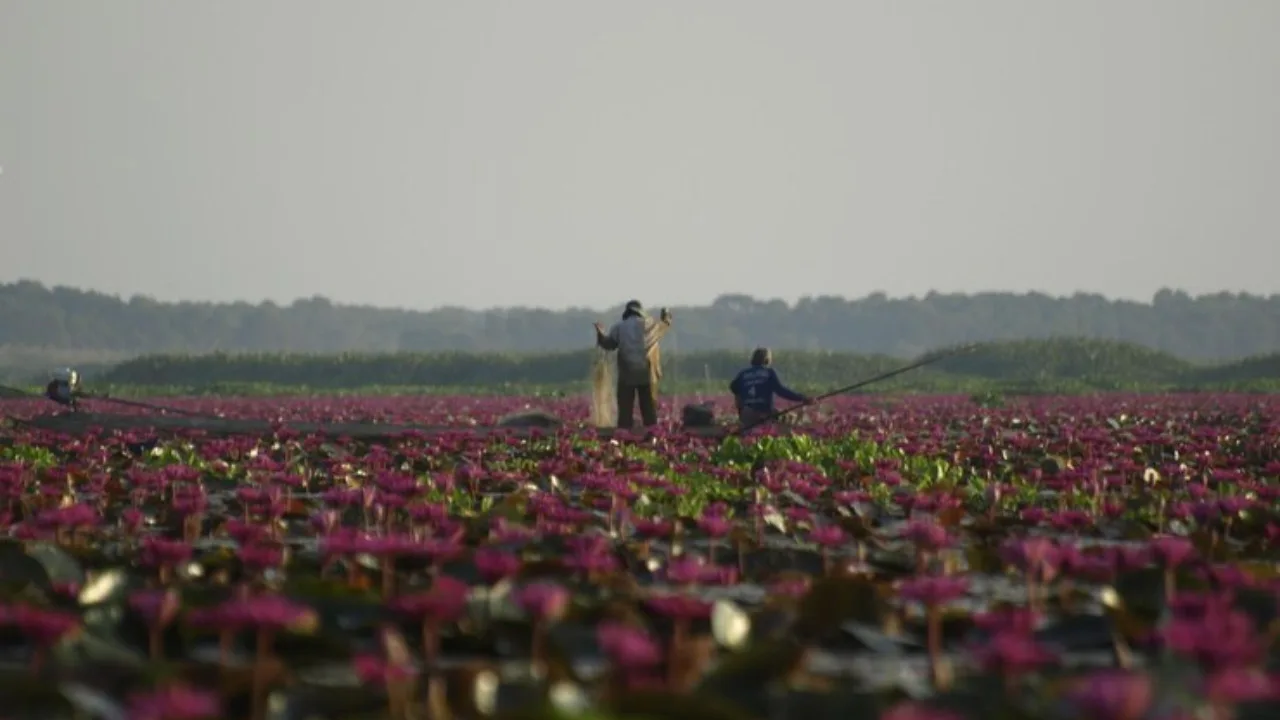
Table of contents
- What is Makhana?
- Why Choose Makhana Farming in India?
- Climatic and Soil Conditions Required
- Step-by-Step Makhana Farming Process
- Post-Harvest Processing of Makhana
- Investment & Cost of Makhana Cultivation
- Profit Margin & Real Business Examples
- Market Potential and Export Opportunities
- Major Challenges in Makhana Farming
- Government Schemes & Support
- Conclusion
- FAQs
Makhana farming is emerging as a profitable agribusiness in India, especially in Bihar, where over 90% of India’s production comes from. Known for its health benefits and high market demand, makhana (also called fox nut or gorgon nut) offers great potential for small and large farmers alike. If you’re new to this crop, this article will help you understand everything about makhana farming—from techniques and costs to market opportunities and challenges.
What is Makhana?

Makhana, also known as fox nut or Euryale ferox, is an aquatic crop cultivated in ponds and wetlands. The seeds of the makhana plant are roasted and consumed as a healthy snack. It is rich in protein, fiber, calcium, and antioxidants.
✅ Common Names: Phool Makhana, Gorgon Nut, Fox Nut
✅ Scientific Name: Euryale ferox
✅ Crop Type: Aquatic plant (grown in ponds or waterlogged paddy fields)
Why Choose Makhana Farming in India?
Makhana farming is gaining momentum due to:
- High Market Price: ₹400–₹600 per kg.
- Government Support: Recognised under the “One District One Product” (ODOP) scheme in districts like Darbhanga and Madhubani, Bihar.
- Growing Health Awareness: Makhana is a superfood, ideal for diabetic and fitness-conscious consumers.
- Export Potential: India exports to the US, UK, and UAE.
🔥 Interesting Fact:
India contributes to 80% of the world’s total makhana production, and Bihar alone contributes over 90% of the Indian supply.
Climatic and Soil Conditions Required
| Factor | Requirement |
|---|---|
| Climate | Tropical, humid, 20–35°C |
| Rainfall | 1000–1500 mm annually |
| Soil Type | Clayey loam with high organic content |
| Water Depth | 1–5 feet (ideal for pond-based farming) |
💡 Pro Tip: If you want to start a Business but have too many doubts, connect with a Business expert from Boss Wallah for guidance – Check Out
Step-by-Step Makhana Farming Process
1. Site Selection
- Prefer traditional ponds, water bodies, or wetlands.
- Water depth should be at least 3 feet.
2. Seed Collection and Germination
- Seeds are collected from mature plants and stored in dry conditions.
- Pre-germinate in shallow water before sowing.
3. Sowing
- Sowing season: February–March.
- Use the traditional broadcast method.
4. Plant Growth Phase
- Plants spread across the water surface.
- Floating leaves protect the pods.
5. Harvesting
- Time: August–September.
- Manual collection by diving into water.
ALSO READ | Ginger Farming: How to Grow, Setup Cost, Smart Tips & More
Post-Harvest Processing of Makhana

- Washing and Drying
- Clean and sun-dry seeds for 2–3 days.
- Roasting
- Roast in cast-iron pans to make them puff.
- Popping
- Shells are broken manually or mechanically.
- Grading & Packaging
- Graded based on size and quality, packed in air-tight bags.
| Grade | Price per Kg (Approx.) |
|---|---|
| Premium (Big size) | ₹500–₹600 |
| Medium | ₹350–₹450 |
| Low Grade | ₹250–₹300 |
Investment & Cost of Makhana Cultivation
| Expense Category | Estimated Cost (1 acre) |
|---|---|
| Pond Preparation | ₹15,000 |
| Seeds & Germination | ₹10,000 |
| Labor (Sowing + Harvesting) | ₹20,000 |
| Processing Equipment | ₹30,000 (one-time) |
| Miscellaneous | ₹5,000 |
| Total Cost | ₹50,000–₹60,000 |
ALSO READ | Bamboo Farming: A Comprehensive Guide
Profit Margin & Real Business Examples
| Particulars | Amount (1 acre basis) |
|---|---|
| Total Yield | 10–12 quintals |
| Selling Price (avg ₹450/kg) | ₹45,000–₹54,000 |
| Gross Income | ₹1,00,000+ |
| Net Profit | ₹40,000–₹60,000 |
Real Example:
Mithila Makhana, a farmer collective in Bihar, turned their business into a ₹100 crore brand with government help and online marketing.
Market Potential and Export Opportunities
- Domestic Demand: Growing due to health trends.
- Export Markets: USA, UAE, UK, Canada.
- Processed Products: Makhana namkeen, roasted flavours, makhana flour.
📈 FMCG brands like Too Yumm, Urban Platter, and Happilo are now including makhana in their product lines.
Major Challenges in Makhana Farming
- Lack of mechanisation (manual harvesting is labour-intensive)
- Water pollution in ponds
- Price fluctuation
- Poor processing units in villages
Government Schemes & Support
- ODOP Scheme: Makhana is selected in several Bihar districts.
- National Horticulture Board (NHB): Grants up to 40% for cold storage.
- Agri-Export Policy: Helps farmers export high-value products like makhana.
🔗 Learn more at the NHB Official Website
🔗 ODOP Scheme Details
Need Expert Guidance?
Starting a business can be challenging, but you don’t have to do it alone! At Boss Wallah, our 2,000+ business experts are ready to provide valuable insights and guidance. Whether you need help with marketing, finance, sourcing, or any other area of any business, our business experts are here to help you succeed
Confused about Which Business to Start?
Want to start your own business but unsure which one to choose? Explore Boss Wallah, where you’ll find 500+ courses by successful business owners, featuring practical, step-by-step guides on starting and growing various businesses.
Find your perfect business idea today
Conclusion
Makhana farmingis a goldmine for Indian farmers looking for a sustainable, high-profit agribusiness. It requires a basic investment, thrives in natural pond ecosystems, and benefits from rising domestic and global demand. With government support, efficient farming techniques, and smart post-harvest strategies, you can turn makhana farming into a booming venture.
FAQs
- What is makhana farming?
Makhana farming is the cultivation of fox nuts in ponds or wetlands. - Where is makhana grown in India?
Mainly in Bihar (Mithilanchal region), followed by West Bengal and Assam. - Is makhana farming profitable?
Yes, farmers can earn ₹40,000–₹60,000 per acre. - What is the best season for makhana cultivation?
Sow in February–March and harvest in August–September. - How is makhana harvested?
Manually by diving into ponds and collecting seeds. - Is there any government subsidy?
Yes, through ODOP, NHB, and agri-export promotion schemes. - What are makhana’s health benefits?
Rich in protein, calcium, and low in fat—ideal for weight watchers and diabetics. - How long does it take to grow makhana?
Approximately 5–6 months from sowing to harvest. - What are the by-products of makhana?
Makhana flour, roasted snacks, and flavoured makhana. - Can I grow makhana without a pond?
Yes, in waterlogged paddy fields with proper techniques.