Why Micro-YouTube Collaborations Are Beating Celebrity Influencers in 2026
In 2026, the influencer marketing landscape on YouTube is undergoing a major shift. Traditionally, brands relied on celebrity influencers to boost visibility and sales. However, research and practical marketing theory show that micro-YouTube collaborations with smaller creators offer better engagement, authenticity, and return on investment.
1. Definition of Micro-YouTube Collaborations

( Source – freepik.com )
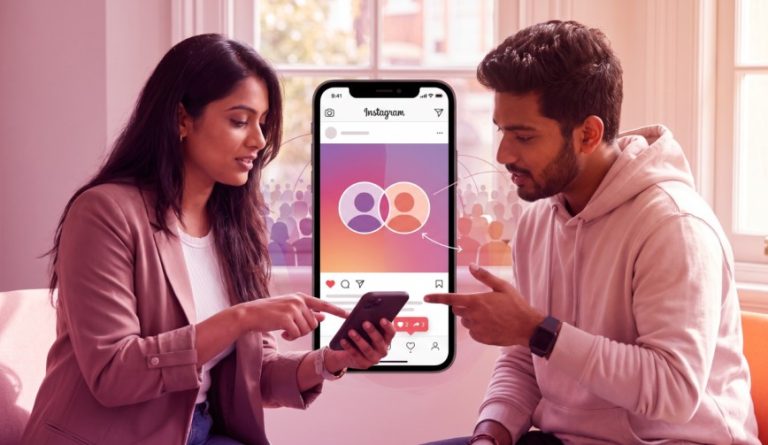
Micro-influencer marketing is based on the principle of niche targeting and relationship marketing. Smaller creators often have a highly loyal audience, which results in higher trust and influence.
Micro-YouTubers: Creators with 10,000–200,000 subscribers.
Collaboration: Partnership with brands to promote products or campaigns.
Unlike celebrities, micro-creators offer relatability and authenticity, aligning with source credibility theory, which states that audiences are more persuaded by credible and trustworthy sources.
Check Out
Boss Wallah Studios empowers entrepreneurs and brands to produce high-quality content with ease.
2. Authenticity Beats Fame
According to the Elaboration Likelihood Model (ELM) in marketing, people are more likely to be persuaded when messages feel personal and credible. Micro-creators deliver authentic recommendations that feel like peer advice.
Example: A micro-tech reviewer explaining why a gadget works gains audience trust.
Celebrity promotions may appear scripted, reducing persuasion effectiveness.
3. Higher Engagement Rates
Engagement is critical for online influence. Smaller creators tend to have closer audience interactions, consistent with the social presence theory, which highlights the importance of connection in digital communication.
Micro-YouTubers reply to comments, host Q&A sessions, and encourage discussion.
Example: Skincare micro-creator answering followers’ questions builds credibility and drives purchase decisions.
Higher engagement translates into better conversion rates than passive celebrity audiences.
4. Cost-Effective Marketing
Marketing budgets are limited, so resource allocation theory supports investing in channels with higher ROI. Micro-creators provide more value for less money compared to celebrity deals.
Celebrity campaigns can cost lakhs or crores.
Micro-collaborations are affordable and allow working with multiple creators for a broader reach.
ALSO READ | How Brands Can Build a Winning UGC Strategy by Working with Professional UGC Content Creators.
5. Targeted Niche Reach
Segmented marketing theory emphasises reaching a specific target audience for higher effectiveness. Micro-creators operate in niches like gaming, tech, lifestyle, or eco-friendly products.
Example: A gaming micro-creator promoting a headset reaches an audience already interested in gaming.
Celebrities have broad appeal, which often results in wasted impressions.
6. Flexible Content and Creativity
The self-determination theory explains that content creators perform better when they have autonomy. Micro-creators have creative freedom to produce authentic, engaging content.
Example: A food YouTuber creates a “recipe challenge” with a product naturally integrated.
Celebrities face strict scripts and approvals, reducing spontaneity and engagement.
7. Faster Turnaround
Agile marketing theory promotes rapid content creation and campaign execution to capitalise on trends. Micro-creators can produce content quickly due to smaller teams and simpler approval processes.
Celebrities, with managers and schedules, often take weeks to deliver campaigns.
8. Stronger Community Connection
Relationship marketing theory emphasises building long-term relationships with audiences rather than just selling. Micro-creators foster loyal communities, increasing trust and conversion potential.
Their followers feel emotionally invested in their content and recommendations.
Celebrities often have passive audiences that admire but don’t deeply trust them.
9. Higher ROI (Return on Investment)

( Source – searchenginejournal.com )
Cost-benefit analysis in marketing shows micro-collaborations often produce better ROI. Lower cost combined with higher engagement and targeted audiences delivers measurable results.
Micro-collaborations often outperform celebrity campaigns in conversions per rupee spent.
Celebrity campaigns may generate visibility but often lower tangible outcomes.
10. Long-Term Partnerships
Brand association theory highlights that repeated, positive exposure strengthens consumer trust. Micro-creators are more open to long-term collaborations, helping brands build stronger reputations.
Celebrities often switch brands frequently, reducing continuity and audience trust.
11. Adaptability to Trends
Diffusion of innovation theory states that early adopters influence others. Micro-creators are quick to adopt new trends, formats, and viral challenges, giving brands a competitive edge.
Example: A viral TikTok-style challenge can be recreated on YouTube in days by micro-creators.
Celebrities are slower due to schedules and approvals.
Why This Matters for Brands
Integrated marketing theory emphasises authenticity, engagement, and targeting in digital campaigns. Micro-YouTube collaborations allow brands to connect with audiences effectively, improve conversions, and build long-term brand loyalty.
Small, authentic creators influence decisions more effectively than celebrities with passive followers.
Brands embracing this shift gain sustainable marketing advantages.
Real-Life Example
A skincare brand collaborated with 10 micro-YouTubers (20k–150k subscribers).
Result: 500,000 combined engagements and 25% higher conversion than a celebrity campaign.
Shows micro-creators can outperform celebrities in engagement, ROI, and trust.
Check Out
BossWallah enables you to create, optimise, and grow social media video channels effortlessly from scratch.
Final Thoughts
Micro-YouTube collaborations are redefining influencer marketing in 2026. They combine authenticity, engagement, niche targeting, cost-effectiveness, and flexibility in a way that celebrity influencers often cannot match.
While celebrities still have value for broad awareness, micro-creators offer deeper connections, higher engagement, and measurable results. For brands, leveraging micro-YouTubers is no longer just an option; it’s a strategic necessity for real impact in the modern digital landscape.