Brand Collaboration Rates for Instagram, YouTube, and LinkedIn Compared
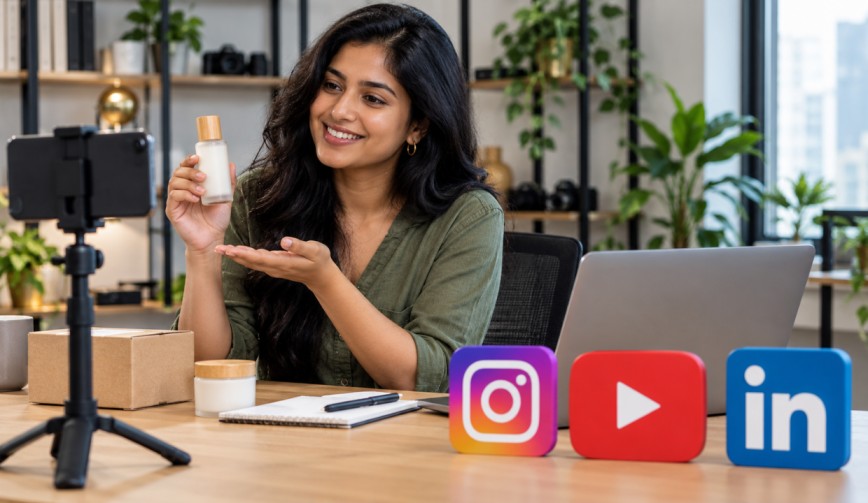
Have you ever scrolled through Instagram and wondered how much a creator got paid for that one post about a face cream or a protein shake? You are not alone. Brand collaboration rates are one of the most confusing topics in the online world today. Ask five creators how much they charge, and you will probably get five different answers.
In this article, we will break things down in the simplest way possible. We will look at how brand collaboration rates work on three very different platforms: Instagram, YouTube, and LinkedIn. By the end, you will understand why a single Instagram post might pay less than a five-minute YouTube video, and why LinkedIn, of all places, can sometimes surprise you.
What Are Brand Collaboration Rates?

(Source – magnific.com)
Let’s start simple. Brand collaboration rates are the amount of money a brand pays a creator to promote their product or service. This could be through a photo, a video, a story, or even a written post.
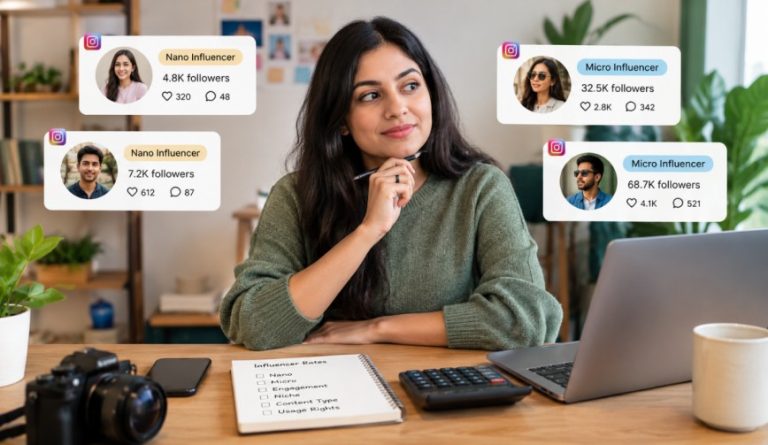
These rates are not fixed. There is no official price list anywhere. They depend on things like your follower count, your engagement rate (this means how many people actually like, comment, or share your posts compared to how many follow you), your niche, and how good your content looks.
👉Click here to see how Boss Wallah works with brands and what we can build for you
Instagram: Quick, Colourful, and Fast-Paced
Instagram is usually the first platform people think of when they hear the word influencer. It is fast, visual, and made for short attention spans, which honestly describes most of us these days.
On Instagram, collaboration rates mostly depend on two things:
- Follower count, meaning how many people follow your page
- Engagement rate, meaning how many people actually interact with what you post
A creator with 20,000 followers who gets lots of likes and comments can sometimes earn more than someone with 100,000 followers who barely gets any interaction. Brands care more about real interest than just big numbers.
Many beginners also start with a barter deal. This means the brand sends you free products instead of paying money. It is fine when you are just starting out, but it should not continue forever once your account starts growing. Free skincare is nice, but it will not pay your electricity bill.
YouTube: Slower to Make, Bigger to Earn
YouTube collaborations usually pay more than Instagram ones. There is a simple reason for this. A YouTube video takes longer to plan, shoot, and edit, and it also stays online and keeps getting views for months or even years. A brand is basically paying for something that keeps working long after it is posted.
On YouTube, rates are often based on average views rather than just subscriber count. This means a smaller channel with loyal, engaged viewers can sometimes charge more than a bigger channel where views are low.
Brands usually pay per video here, not per post like on Instagram. The price also depends on how deeply the product is featured. For example, a quick ten-second mention costs much less than a full product review or tutorial video.
Read More | YouTube Algorithm Explained: What Really Helps Videos Rank in 2026.
LinkedIn: The Quiet Achiever
LinkedIn does not get talked about much in influencer marketing circles, but it deserves more attention than it gets. Collaborations here look very different from Instagram or YouTube. Instead of dance reels or beauty tutorials, think professional posts, career advice videos, or company spotlight content.
Since LinkedIn’s audience is smaller and more focused on specific industries, brand collaboration rates might look modest at first. However, businesses on LinkedIn usually have proper marketing budgets, which means payments tend to be fair and on time.
This platform works especially well for people who talk about B2B topics, which simply means business-to-business, such as marketing, career growth, or workplace culture. If your content feels more like a boardroom conversation than a beach vlog, LinkedIn could be your hidden goldmine.
Quick Comparison Table
| Platform | Best For | Payment Based On | Typical Speed of Deal |
|---|---|---|---|
| Quick, visual promotions | Follower count and engagement rate | Fast, often within days | |
| YouTube | Long-term, detailed content | Average views and video length | Slower, needs planning |
| Professional, B2B content | Industry relevance and audience trust | Moderate, budget-driven |
How to Set Fair Rates for Yourself

(Source – wripple.com)
If you are a creator trying to figure out what to charge, here are a few simple tips:
- Know your numbers. Understand your engagement rate and average reach before talking to any brand.
- Do not undersell yourself just to land a deal. It feels tempting early on, but it makes it harder to raise your rates later.
- Always get things in writing. A simple written agreement about payment, deadlines, and deliverables can save you a lot of stress later.
- Remember that niche matters too. This means the specific topic you focus on, like fitness, tech, or finance. Some niches naturally pay more than others.
Instagram vs YouTube vs LinkedIn: Which Should You Focus On?
There is no single right answer here. It depends on your content style.
- If you enjoy quick, catchy content, Instagram is a great place to start.
- If you like creating detailed, long-lasting videos, YouTube rewards patience and consistency.
- If your content feels more professional or career-focused, LinkedIn might surprise you with steady, fair-paying brand deals.
Many successful creators do not stick to just one platform. They mix things up, picking quick Instagram gigs while working on bigger YouTube or LinkedIn projects at the same time.
Read More | Brand Collaboration Rates: How to Calculate Them Without Underselling Yourself.
Need Videos, Creators, or Regional Content for Your Brand?
Boss Wallah helps brands plan and execute video content at scale, without managing multiple vendors.
We work with companies to:
- Shoot large volumes of short-form videos using real creators and studio setups, suitable for social media, websites, campaigns, and launches
- Adapt the same videos for different languages, regions, and platforms, so one shoot works across India and global markets
- Launch products or campaigns through dozens or hundreds of creators, all managed, tracked, and reported in one system
- Support brands with ongoing content, launches, regional expansion, and performance-focused campaigns
Whether you need videos for a new launch, content for multiple markets, creator-led visibility, or a steady content pipeline, Boss Wallah acts as a single partner handling production, creators, and execution end-to-end.
👉Click here to see how Boss Wallah works with brands and what we can build for you
Final Thoughts
Understanding brand collaboration rates across Instagram, YouTube, and LinkedIn can help you make smarter choices as a creator, whether this is your first paid post or your fiftieth. Each platform has its own personality and its own way of paying creators, so the real skill lies in knowing where your content fits best.
At the end of the day, brands are not just paying for your follower count. They are paying for your influence, your voice, and your ability to connect with the right audience, and that is always worth pricing fairly.
Frequently Asked Questions
1. What affects brand collaboration rates the most?
Engagement rate, niche, and content quality often matter more than just follower count.
2. Which platform pays the highest brand collaboration rates?
YouTube usually pays more because videos take longer to make and stay relevant for a longer time.
3. Are barter deals a good way to start?
Yes, barter deals are fine for beginners, but you should move toward paid deals as your audience grows.
4. How do I calculate a fair rate for my first collaboration?
Look at what similar creators in your niche charge and factor in your engagement rate and effort.
5. Do brands only care about follower count?
No, many brands now value engagement rate and audience trust just as much as follower numbers.