Brand Collaboration Secrets: The Hidden Language Behind Successful Partnerships

A good brand collaboration can look magical from the outside. Two brands suddenly appear together, social media goes wild, customers start talking, and sales shoot up. But behind every successful partnership is something people rarely notice.
It is not just about money, followers, or a famous logo.
It is about communication.
Brands that work well together often speak the same “secret language.” They understand each other’s goals, audience, tone, and values without creating confusion. When this connection is missing, even expensive collaborations can fail badly.
Think of it like a group project in school. One person wants an A+, another disappears for three days, and someone else only shows up with snacks. That is exactly how some business partnerships feel.
In this article, we will explore the hidden communication patterns behind successful brand collaboration strategies, why some partnerships become iconic, and how businesses can create collaborations that actually work.
What Is a Brand Collaboration?

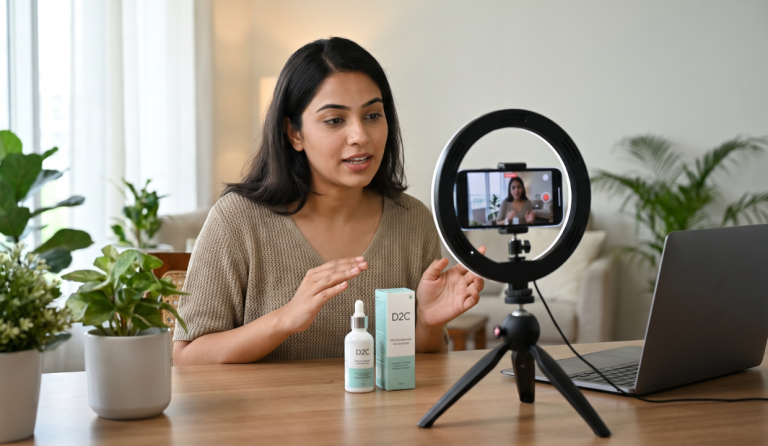
(Source – magnific.com)
A brand collaboration happens when two or more businesses work together on a campaign, product, service, or promotion.
The goal is simple:
- Reach new audiences
- Increase brand awareness
- Improve customer trust
- Boost sales
- Create exciting experiences
A collaboration can happen between:
- Two companies
- A business and an influencer
- A brand and a creator
- A brand and a celebrity
- Even two completely different industries
For example, a coffee company partnering with a clothing brand may sound strange at first. But if both brands target young creative people, the partnership can feel natural and exciting.
That is the real power of strategic partnerships.
👉Click here to see how Boss Wallah works with brands and what we can build for you
The Secret Language Behind Successful Brand Collaboration
1. Shared Values Matter More Than Shared Products
One of the biggest mistakes brands make is choosing partnerships based only on popularity.
Just because a brand is famous does not mean the collaboration will succeed.
Successful collaborations usually happen when both brands believe in similar things.
For example:
- Sustainability
- Creativity
- Innovation
- Luxury
- Simplicity
- Fun experiences
Customers can quickly sense when a partnership feels fake.
If a health-focused company suddenly partners with a fast-food chain known for unhealthy products, people may get confused. The internet notices everything, and trust disappears fast.
The best co-branding partnerships feel natural because the values match.
Read More | Is Your Content Ready for AI Search? The AEO Checklist for Indian Brands.
2. Knowing the Audience Is Like Knowing the Party Guest List
Imagine hosting a party where one guest wants classical music, and another arrives with giant speakers playing dance music at full volume.
That is what happens when brands ignore audience compatibility.
A strong brand collaboration works because both audiences can connect with the partnership.
Before collaborating, brands should ask:
- Who are we targeting?
- What does the audience enjoy?
- What problems are we solving?
- Will customers understand this partnership?
Audience understanding is one of the most important parts of collaboration marketing.
3. Clear Communication Saves Partnerships
Many collaborations fail because expectations are unclear from the beginning.
One brand wants long-term growth.
The other only wants viral social media content.
That mismatch creates frustration quickly.
Successful partnerships usually discuss:
- Goals
- Budgets
- Marketing plans
- Deadlines
- Responsibilities
- Brand voice
This sounds basic, but many companies skip these conversations because everyone is excited at the start.
Later, confusion appears like an unexpected relative during wedding season.
Good communication prevents unnecessary problems.
Why Emotional Connection Matters in Brand Partnerships
People do not remember advertisements forever.
They remember feelings.
The best brand collaboration campaigns create emotional reactions like:
- Excitement
- Nostalgia
- Happiness
- Curiosity
- Inspiration
When customers emotionally connect with a campaign, they are more likely to:
- Share it online
- Recommend it to friends
- Trust the brands
- Buy products
This is why storytelling plays a huge role in modern partnership marketing.
Social Media Changed Brand Collaboration Forever
Years ago, collaborations mainly happened through television ads or large events.
Today, social media partnerships dominate marketing.
Why?
Because customers want interaction, not just advertising.
Brands now collaborate through:
- Instagram campaigns
- YouTube videos
- Limited-edition product launches
- Live events
- Influencer partnerships
- Viral challenges
Social media also allows smaller brands to compete creatively with bigger companies.
A smart idea can sometimes outperform a huge advertising budget.
That is both inspiring and slightly terrifying for marketing teams everywhere.
The Role of Trust in Successful Collaborations
Trust is the hidden foundation of every successful business collaboration.
Without trust:
- Communication breaks
- Campaigns become stressful
- Creativity disappears
- Customers notice tension
Strong partnerships usually build trust by:
- Being transparent
- Respecting deadlines
- Listening to feedback
- Supporting shared goals
Customers trust collaborations more when both brands appear genuinely connected instead of purely profit-focused.
Common Brand Collaboration Mistakes
Ignoring Brand Identity
Some businesses change their personality too much during collaborations.
Customers should still recognise both brands clearly.
Chasing Trends Without Strategy
Not every viral trend fits every brand.
A collaboration should support long-term goals, not just temporary internet attention.
Poor Timing
Launching campaigns during the wrong season or during major controversies can reduce impact.
Timing matters more than many brands realise.
Overcomplicating the Campaign
Simple campaigns are often more successful because customers understand them quickly.
If people need a full presentation to understand the collaboration, something probably went wrong.
How to Build a Successful Brand Collaboration
Choose the Right Partner
Look for:
- Shared audience interests
- Similar values
- Complementary strengths
- Good communication style
Set Clear Goals
Define what success looks like:
- Sales
- Reach
- Engagement
- Brand awareness
- Customer growth
Create a Strong Story
Customers love stories more than advertisements.
Explain why the partnership exists and why it matters.
Keep Communication Open
Regular meetings and updates help avoid confusion.
Even simple check-ins can prevent major problems later.
Measure Results
Track campaign performance using:
- Website traffic
- Sales numbers
- Social media engagement
- Customer feedback
This helps brands improve future collaborations.
Read More | AI Can Make Content. But These Content Creator Jobs Are Becoming More Valuable.
The Future of Brand Collaboration

(Source – dreamstime.com)
The future of brand collaboration will likely focus more on:
- Personalization
- Community building
- Creator partnerships
- AI-driven marketing
- Authentic storytelling
Customers are becoming smarter and more selective. They can easily tell when partnerships are forced.
Brands that focus on honesty, creativity, and meaningful experiences will stand out the most.
The secret language behind successful collaborations is not actually secret anymore.
It is simply about understanding people better.
Need Videos, Creators, or Regional Content for Your Brand?
Boss Wallah helps brands plan and execute video content at scale, without managing multiple vendors.
We work with companies to:
- Shoot large volumes of short-form videos using real creators and studio setups, suitable for social media, websites, campaigns, and launches
- Adapt the same videos for different languages, regions, and platforms, so one shoot works across India and global markets
- Launch products or campaigns through dozens or hundreds of creators, all managed, tracked, and reported in one system
- Support brands with ongoing content, launches, regional expansion, and performance-focused campaigns
Whether you need videos for a new launch, content for multiple markets, creator-led visibility, or a steady content pipeline, Boss Wallah acts as a single partner handling production, creators, and execution end-to-end.
👉Click here to see how Boss Wallah works with brands and what we can build for you
Final Thoughts
A successful brand collaboration is not built on logos alone.
It is built on communication, trust, shared values, audience understanding, and emotional connection.
The best partnerships feel natural because both brands understand each other clearly. Customers notice authenticity immediately, and that connection creates stronger engagement and long-term loyalty.
In today’s digital world, collaboration marketing is no longer optional for growing brands. It has become one of the smartest ways to build visibility, trust, and community.
And sometimes, yes, it also creates limited-edition products people absolutely do not need but still buy instantly.
That is marketing magic.
FAQs
1. What is a brand collaboration?
A brand collaboration is a partnership where two or more brands work together on marketing campaigns, products, or promotions to reach shared goals.
2. Why are brand collaborations important?
Brand collaborations help businesses increase visibility, reach new customers, improve trust, and create fresh marketing opportunities.
3. What makes a brand collaboration successful?
Successful collaborations usually have shared values, strong communication, audience compatibility, and clear goals.
4. How do social media influencers help brand collaborations?
Influencers help brands connect with audiences in a more personal and engaging way through authentic content and recommendations.
5. What are the biggest mistakes in collaboration marketing?
Common mistakes include poor communication, choosing the wrong partner, ignoring audience interests, and focusing only on trends instead of strategy.