Meta AI Influencer Campaigns: How Can Brands Plan Smarter Creator Collaborations?

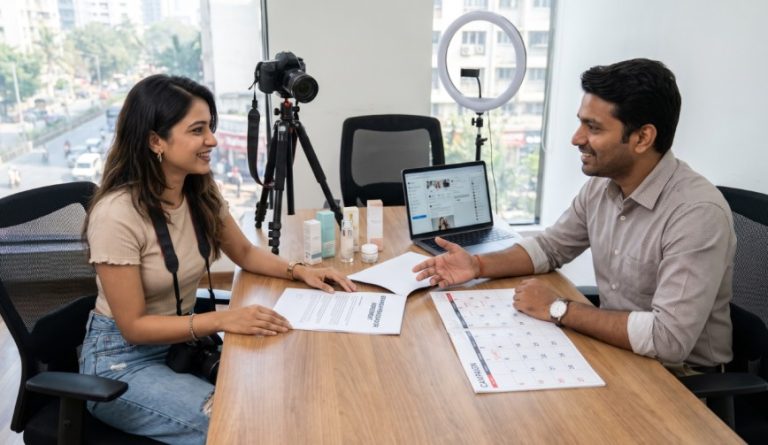
The campaigns carried out by Meta AI are changing the way brands work with creators on Instagram and Facebook. Instead of having to guess which creators would be a good match for your brand, you can now use smart tools to find the right people, come up with better ideas, and keep an eye on what works. It’s as if you have a very patient assistant who never needs a coffee break. In this article, you will find out how you can plan your next campaign without feeling stressed or having to spend money.
What Constitutes Meta AI Influencer Campaigns?
(Source – OpenAI)
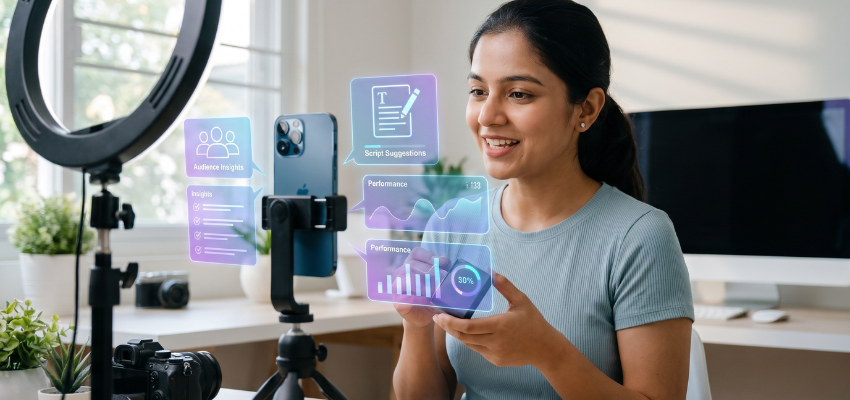
To put it simply, these kinds of campaigns make use of Meta’s artificial intelligence tools when it comes to planning, producing content, and assessing the results. This is because Meta owns Instagram, Facebook, and WhatsApp, which means its tools can see how people interact with posts and creators on those apps.
The AI won’t take the creator’s place; rather, it can assist you in selecting the right one, proposing content ideas, and showing you what is working. You will still need a human who has a real voice and an actual fan base since AI cannot fake that, and audiences are able to tell if something is fake from a distance.
👉Click here to see how Boss Wallah works with brands and what we can build for you
Why Brands Are Paying Attention
Previously, it was similar to using online dating to find the right creator. You would spend hours scrolling, send a few messages, and then just hope for a match. These days, however, the process is faster and less random because of AI.
Here is what brands like about it:
- Better audience targeting, which means showing your content to people who are likely to care about it.
- Faster creator research.
- Clearer reports on results.
- Fewer budget surprises.
When your brand partnerships are based on data rather than on instinct, you’ll end up making fewer expensive mistakes.
Step 1: Start With Clear Campaign Goals
Before employing any tool, you should decide on your objective. For example, if you want to increase sales, gain more followers, or obtain greater publicity for your product, each aim calls for its own plan.
Be specific since something such as “We want to grow” is too vague. “We want 500 new email sign-ups in 30 days” is a great example. Having clear campaign objectives ensures that everyone remains aligned, including the person who is producing the content, your team, and the AI tools.
Step 2: Find Creators Who Fit Your Brand
A person with a million followers is not always the best choice since, in some instances, a smaller creator who has loyal fans produces better results. These smaller creators are usually referred to as micro-influencers and usually have between 10,000 and 100,000 followers. Their audiences tend to trust them more, and they are generally less expensive.
When you review creators, look at:
- Their engagement rate: The share of followers who like, comment, or share their posts.
- Audience match: Whether their audience matches your customers.
- Content tone: The tone of their past content.
- Previous brand deals: How they handled earlier brand collaborations.
Just because someone writes about hiking boots doesn’t mean that they are the right sort of person to be interested in luxury perfumes, and common sense is still important in the age of AI.
Read More | Top 10 Influencer Marketing Platforms in India for Brands and Creators.
Step 3: Let AI Help With Ideas, Not the Whole Show
Meta’s tools are able to suggest captions, formats, and the optimal times for posting. This is helpful, but it’s not a good idea to have AI write all the words since content produced by artificial intelligence may seem cold and impersonal if it’s used without a human touch.
It would be best to have AI generate the first draft and then have the creator modify it to sound like themselves, since people have followed them for their individuality rather than for a robot’s script.
At the present time, short videos are particularly effective because Instagram Reels can reach people who do not follow the creator, which in turn provides your brand with extra exposure.
Step 4: Build a Simple Content Calendar
A content calendar is just a schedule that indicates what will be posted, where, and when. Even if it seems boring, it helps to prevent a great deal of panic later on.
Plan a mix of posts, such as:
- A teaser before the launch.
- The main product post.
- A behind-the-scenes story.
- A follow-up with customer reactions.
It’s best to send the creator the calendar early on since nobody likes getting a “please post this today” message at 9 pm.
Step 5: Use Paid Partnerships Properly
Meta has a paid partnership label that shows that a post has been produced in cooperation with a brand, and you should make use of it since this ensures that your campaign stays honest and meets advertising regulations in most countries.
You can likewise use the creator’s post as an advertisement, allowing it to be seen by a wider audience than the creator’s existing followers. This is a sensible way of getting more value from content that is already doing well.
Step 6: Encourage Real Customer Voices
You should also take into account user-generated content, meaning the photos and videos made by regular customers. Ask your creators to get their followers to share posts of their own that feature your product. This will help to build trust and, at the same time, give you more material for your own marketing.
Step 7: Measure, Learn, and Adjust
After the campaign has ended, you shouldn’t just celebrate and then turn to other matters. Instead, you should look at the figures and investigate:
- Reach.
- Number of clicks.
- Number of saves.
- Number of comments.
- Number of sales.
The reporting tools provided by Meta will show you which posts performed well and which ones did not.
Put forward a few simple questions:
- Which creator offered the most value?
- Which kind of content turned out to be the most effective?
- What changes would you make in your next attempt?
Each campaign should yield a lesson for you, even if that lesson is that you shouldn’t post on a public holiday.
Read More | How Brands Can Use Meta AI to Create Better Campaigns in Less Time.
Common Mistakes to Avoid
(Source – OpenAI)
Here are some common mistakes brands should watch out for when planning creator collaborations:
- Choosing creators only by follower count.
- Giving too many strict rules, which makes content feel stiff.
- Forgetting to explain the product properly.
- Ignoring comments on the posts.
- Expecting instant results.
To do good influencer work is like planting a tree rather than just switching it on; it takes a bit of time.
Need Videos, Creators, or Regional Content for Your Brand?
Boss Wallah helps brands plan and execute video content at scale, without managing multiple vendors.
We work with companies to:
- Shoot large volumes of short-form videos using real creators and studio setups, suitable for social media, websites, campaigns, and launches
- Adapt the same videos for different languages, regions, and platforms, so one shoot works across India and global markets
- Launch products or campaigns through dozens or hundreds of creators, all managed, tracked, and reported in one system
- Support brands with ongoing content, launches, regional expansion, and performance-focused campaigns
Whether you need videos for a new launch, content for multiple markets, creator-led visibility, or a steady content pipeline, Boss Wallah acts as a single partner handling production, creators, and execution end-to-end.
👉Click here to see how Boss Wallah works with brands and what we can build for you
Final Thoughts
Meta AI Influencer Campaigns offer brands a more intelligent method of planning their activities with influencers since they help you to find the right people, save you time, and allow you to assess the results. That said, the most effective campaigns still rely on real relationships, clearly established objectives, and creative freedom.
Treat AI as a helpful guide, trust your influencers to stay true to who they are, and keep on learning from each project.
Frequently Asked Questions
1. What Is the Most Straightforward Way of Explaining Meta AI Influencer Campaigns?
They are marketing campaigns carried out by creators who use the AI tools offered by Meta to identify other creators, plan their content, and keep an eye on the results on Instagram and Facebook.
2. Must Small Brands Have a Big Budget If They Want to Attempt This?
By no means. Many small brands start out by working with a number of micro-influencers and operating with a limited budget. The campaign can be expanded once you’ve identified what is effective.
3. Is It Possible for Artificial Intelligence to Entirely Replace Human Creators?
Although AI can help with ideas and data, it is actual people who succeed in winning over followers. Creators provide personality and trust since AI is unable to do so.
4. How Long Does It Usually Take Before a Campaign Produces Results?
Results such as reach and the number of comments appear within a few days, whereas sales and brand awareness usually take a few weeks. So, be sure to give your campaign some time.
5. What Is the Way of Working Out If a Creator Is Suitable for My Brand?
If the engagement rate, the kind of audience they have, the style of their content, and their previous brand collaborations all point in the right direction, then you are on the right track. Check whether their followers match your ideal customers.