Best Brand Collaborations: Types & How to Approach Brands

Stepping into the world of brand collaborations can feel a bit like speed dating for businesses – exciting, full of potential, and sometimes a little nerve-wracking. But fear not, because when done right, a brand collaboration can be the secret sauce to supercharging your reach and making some serious marketing magic.
Understanding Brand Collaborations

(Source – designrush.com)
What is Brand Collaboration?
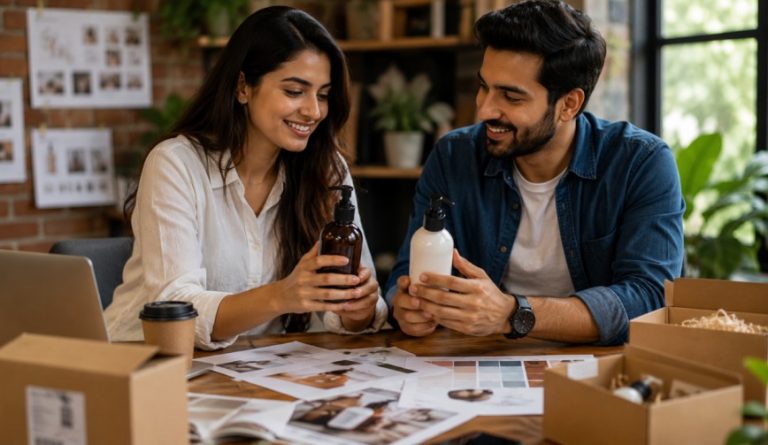
A brand collaboration, often simply referred to as a “collab” or “brand partnership,” is essentially when two brands join forces to create something new or amplify each other’s messages. It’s a strategic alliance where each brand brings its unique strengths to the table, aiming to achieve a common goal that would be harder to accomplish individually. This powerful marketing strategy can involve anything from a joint marketing campaign to developing limited-edition products. The core idea behind any successful brand collaboration is mutual benefit, leading to increased brand awareness and engagement for all parties involved.
Why Brands Choose to Collaborate
Brands choose to collaborate primarily to tap into new markets and reach new audiences that might otherwise be inaccessible. A strategic brand partnership can significantly boost brand visibility, introducing a brand’s offerings to a fresh segment of consumers who already trust the collaborating partner. It’s a fantastic way to acquire new customers without starting from scratch, leveraging the established credibility of another entity. Furthermore, these collabs can inject novelty and excitement into a brand, making it more appealing and relevant in a dynamic marketplace.
Successful Brand Collaborations: A Brief Overview
Successful brand collaborations are those that resonate deeply with consumers, creating memorable experiences and often selling out in record time. Think of the iconic streetwear brands that partner with high-fashion labels, creating hype that transcends their individual followings. These best brand collaborations often result from a clear understanding of each other’s target audience and a shared vision for the marketing campaign. They demonstrate how two brands, when aligned, can achieve far greater impact than working in silos, generating significant buzz and fostering positive brand association.
👉Click here to see how Boss Wallah works with brands and what we can build for you
Types of Brand Collaborations
Co-Branding Partnerships Explained
Co-branding partnerships are a specific type of brand collaboration where two brands combine their distinct identities to market a single product or service. This often results in a new offering that carries the names and logos of both brands, signifying a joint venture. A classic example might be a popular snack brand collaborating with a well-known beverage company to create a unique flavour combination. The beauty of a co-branding partnership lies in its ability to pool resources, enhance perceived value, and introduce existing customers to new products while attracting new customers through the combined appeal of two trusted brands.
Product Collaborations: A Winning Strategy
Product collaborations are a dynamic type of brand collaboration where two or more brands work together to create a brand-new, limited-edition product or an enhanced version of an existing one. This can range from a sneaker brand teaming up with an artist to design an exclusive shoe to a clothing brand collaborating with a famous designer for a capsule collection. Such initiatives generate immense excitement and often lead to high demand due to their scarcity and unique appeal. These types of brand collaborations are a brilliant marketing strategy to create buzz, experiment with new aesthetics, and offer something truly special to both brands’ fan bases.
Influencer Collaborations: Merging Reach with Creativity
Influencer collaborations are a prevalent form of brand collaboration in the digital age, where brands partner with content creators and influencers to promote their products or services. This often involves the influencer, who has a significant following on social media platforms like TikTok, creating authentic and engaging content that showcases the brand. The primary goal of this marketing initiative is to leverage the influencer’s credibility and reach to introduce the brand to their dedicated audience, thereby boosting brand awareness and driving sales. It’s a highly effective digital marketing strategy for reaching new audiences in a relatable and persuasive manner.
Benefits of Brand Collaborations
Creating Powerful Marketing Strategies
Brand collaborations are a powerhouse for crafting marketing strategies that truly resonate and achieve remarkable results. When two brands collaborate, they’re essentially pooling their creative minds and resources, leading to innovative marketing campaigns that might be too ambitious or costly for a single brand to undertake. This joint marketing approach often results in fresh perspectives and exciting content that captures the attention of a new audience, making the marketing efforts more impactful and memorable. It’s a smart way to get more bang for your buck in the competitive world of digital marketing.
Enhancing Brand Relationships
Beyond the immediate marketing gains, successful brand collaborations are instrumental in enhancing brand relationships, not just with consumers but also within the industry. When two brands engage in a positive brand partnership, it signals a spirit of innovation and open-mindedness. This can lead to future collabs and strengthen the brands’ reputations as forward-thinkers. These initiatives foster a sense of community and mutual respect, which can open doors to even more exciting opportunities down the line, solidifying their positions in their respective new markets.
Boosting Visibility and Sales
One of the most immediate and tangible benefits of brand collaborations is the significant boost in brand visibility and, consequently, sales. By tapping into each other’s existing customer bases, two brands can effectively double their reach and introduce their products or services to new customers who might not have discovered them otherwise. A well-executed brand collab creates buzz, generates excitement, and often drives a sense of urgency, especially with limited-edition products. This increased exposure and heightened interest invariably lead to an uptick in sales and strengthen overall brand awareness.
Read More | The Silent B2B Revolution Happening Behind Every Big Brand.
How to Approach Brands for Collaboration
Identifying the Right Brands for Collaboration
Identifying the right brands for collaboration is the crucial first step towards a successful brand partnership. It’s not just about finding any brand; it’s about finding one whose values, target audience, and marketing strategy align with your own. When considering potential partners, you should think about several key factors:
- Brand reputation and its history with previous brand collaborations
- Their social media presence
- Whether their products or services complement yours without being direct competitors
This strategic selection ensures that both brands can genuinely benefit from the joint marketing campaign and that the collaboration feels authentic to both sets of customers.
| Consideration Area | Key Questions to Ask | Why It Matters |
|---|---|---|
| Target Audience Alignment | Do our target audiences overlap or complement each other? | Ensures you reach new customers effectively. |
| Brand Values & Image | Are our brand values similar? Does their brand image enhance ours? | Maintains brand integrity and fosters an authentic brand collaboration. |
| Marketing Goals | What are their marketing objectives? Do they align with ours? | Ensures a shared vision for the marketing campaign and desired outcomes. |
| Past Collaborations | Have they successfully engaged in brand collaborations before? | Indicates experience and potential for a smooth brand partnership. |
| Product/Service Complementarity | Do our offerings naturally fit together or create a unique value proposition? | Ensures the collaboration makes sense to consumers and creates a new market opportunity. |
Crafting a Compelling Proposal
Once you’ve identified potential brands for collaboration, crafting a compelling proposal is your next big move. This isn’t just an email; it’s your chance to articulate the mutual benefits of a brand partnership. Clearly outline your vision for the collaboration, whether it’s a co-branding initiative, a product collaboration, or a joint marketing campaign. Highlight how this specific brand collab will help them reach new audiences, boost brand awareness, and achieve their marketing goals, making it an irresistible proposition for the two brands to join forces.
Nurturing Long-Term Brand Partnerships
The end of one successful brand collaboration shouldn’t be the end of the relationship. Nurturing long-term brand partnerships is a strategic move that can lead to ongoing benefits and even more impactful future collabs. Maintain open communication, celebrate shared successes, and look for new opportunities to collaborate. These sustained relationships can lead to a deeper understanding of each other’s brands, allowing for even more innovative and effective joint marketing efforts, ensuring that the benefits of brand collaborations continue to grow over time.
Brand Collaboration Examples
IKEA x Virgil Abloh: A High Fashion Twist
One of the most talked-about brand collaboration examples in recent memory was the groundbreaking partnership between IKEA, the Swedish furniture giant, and Virgil Abloh, the visionary founder of the luxury streetwear brand Off-White. This strategic brand partnership perfectly showcased how two brands from vastly different worlds could successfully collaborate to create immense brand awareness and an unforgettable marketing campaign, causing queues outside stores globally.
Adidas x LEGO: Sneaker Meets Toy
The Adidas x LEGO collaboration is another shining example of a successful brand collaboration that cleverly merged two beloved brands. This playful brand partnership saw the iconic LEGO bricks integrated into Adidas sneakers and apparel, creating a unique product collaboration that appealed to both sneakerheads and LEGO enthusiasts alike. This joint marketing campaign successfully boosted brand visibility and introduced new customers to both brands in a fun and innovative way.
Dior x Nike: Two Giants, One Collaboration
When luxury fashion brand Dior decided to collaborate with sportswear behemoth Nike, specifically on the iconic Air Jordan 1 sneaker, the world took notice. This high-profile product collaboration between two brands was a masterclass in generating immense hype and achieving unprecedented brand awareness. This specific brand collab showcased how powerful a marketing strategy can be when two giants in their respective new markets come together, proving that the benefits of brand collaborations extend far beyond immediate sales.
Future Trends in Brand Partnerships

(Source – istockphoto.com)
Looking ahead, the landscape of brand partnerships is constantly evolving, with new trends emerging that will redefine how two brands collaborate. We can anticipate several key shifts:
- An increased focus on purpose-driven brand collaborations, where companies align on shared social or environmental values, not just commercial gain.
- More immersive digital experiences through virtual and augmented reality in joint marketing campaigns, especially as influencer marketing continues to mature on social media platforms like TikTok.
Brands will increasingly seek out genuine connections and authentic storytelling, moving beyond superficial product collaborations to create deeper, more meaningful engagement with their target audience, thereby boosting brand visibility in innovative ways.
Read More | Instagram Content Strategy for Business: How B2B Brands Generate Leads Without Cold Calling.
Need Videos, Creators, or Regional Content for Your Brand?
Boss Wallah helps brands plan and execute video content at scale, without managing multiple vendors.
We work with companies to:
- Shoot large volumes of short-form videos using real creators and studio setups, suitable for social media, websites, campaigns, and launches
- Adapt the same videos for different languages, regions, and platforms, so one shoot works across India and global markets
- Launch products or campaigns through dozens or hundreds of creators, all managed, tracked, and reported in one system
- Support brands with ongoing content, launches, regional expansion, and performance-focused campaigns
Whether you need videos for a new launch, content for multiple markets, creator-led visibility, or a steady content pipeline, Boss Wallah acts as a single partner handling production, creators, and execution end-to-end.
👉Click here to see how Boss Wallah works with brands and what we can build for you
Final Thoughts
As we wrap up our deep dive into the exciting world of brand collaborations, it’s clear that these strategic alliances offer an unparalleled avenue for growth and innovation. From crafting powerful marketing campaigns to significantly boosting brand visibility and reaching new audiences, the benefits of brand collaborations are multifaceted and profound. Whether it’s a groundbreaking product collaboration, a smart co-branding initiative, or a dynamic influencer marketing push, the key to a successful brand collaboration lies in identifying the right partners and approaching them with a compelling vision. So, go forth and collaborate, knowing that two brands working together can always achieve more than one!
FAQs
1 . What are the main benefits of brand collaborations?
Brand collaborations primarily offer several key benefits:
- Boost brand awareness
- Help reach new audiences
- Drive sales through innovative joint marketing campaigns
2 . How do I find brands willing to collaborate?
Identify brands with aligned values and target audiences, then craft a compelling proposal highlighting mutual benefits for a successful brand partnership.
3 . What makes a successful collaboration?
A successful brand collaboration is characterised by clear objectives, mutual benefits, aligned brand values, and effective communication between the two brands.
4 . Can small brands collaborate with larger brands?
Yes, small brands can absolutely collaborate with larger brands by offering unique value, innovative ideas, and access to niche new markets.
5 . What are some famous examples of brand collaborations?
Famous brand collaboration examples include IKEA x Virgil Abloh, Adidas x LEGO, and Dior x Nike, showcasing diverse and impactful partnerships.