UGC vs Influencer Ads: Everyone Blames Creator, But Script Is the Real Problem
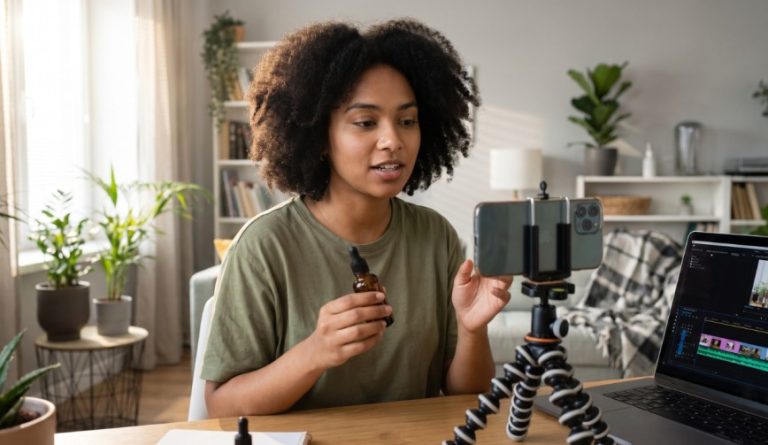
If you are a brand spending money on paid social, you have probably faced this confusion at some point. You worked with a popular creator, the video looks great, the comments are positive, but the ad does not scale. Then you see another brand running a simple phone-shot video from an unknown face, and it performs far better. This is where the debate around UGC vs Influencer Ads usually begins.
Most brands assume the difference lies in the creator. In reality, it usually lies in the script.
Let us break this down without jargon, big promises, or marketing fluff.
The Common Misunderstanding About UGC vs Influencer Ads
Many brands believe influencer ads work because of fame, and UGC ads work because they feel authentic. Both ideas are only half true.
Influencer ads often fail not because the influencer is wrong, but because the content is written like an endorsement. UGC ads often succeed not because the creator is a regular person, but because the script sounds like a real experience.
The creator delivers the message, but the script decides how the message lands.
What Actually Defines Influencer Ads
Influencer ads are usually built around authority and reach. The creator already has an audience, and the brand borrows that trust.
The script often sounds like this
“I have been using this product for 30 days, and it is amazing. You should definitely try it.”
This format works well for awareness. It introduces the brand to new people. But when used for paid ads, especially at scale, it starts to feel predictable.
Audiences today scroll fast and skip faster. They recognise endorsement language within seconds. When the script feels promotional, performance drops, even if the influencer is credible.
👉 Click here to see how Boss Wallah works with brands and what we can build for you
What Makes UGC Ads Feel Different

(Source – invideo.io)
UGC ads are designed to feel like everyday content. These videos are usually shot vertically, on a phone, and look less polished. But the real magic is not the camera. It is the structure of the message.
A strong UGC script usually starts with a problem.
Then it shows a moment of discovery.
Then it explains how life became easier.
For example
“I kept struggling with this issue, and nothing worked. Then I tried this. Here is what changed.”
This does not feel like a recommendation. It feels like a story. That is why people keep watching.
ALSO READ | UGC vs Influencer Ads: Which One Survives Creative Fatigue Longer?
UGC vs Influencer Ads: Why the Script Matters More Than the Face
Here is the uncomfortable truth. You can give an influencer a UGC style script, and it will often perform better than their usual brand deal content. And you can give a UGC creator a promotional influencer script, and the ad will struggle.
In UGC vs Influencer Ads, performance is less about who is speaking and more about how they are speaking.
UGC scripts are built for ads. They focus on hooks, watch time, and clear benefits. Influencer scripts are often built for brand alignment and relationships.
Paid media needs the first approach, not the second.
The Role of Hooks, and Why Brands Miss It
A hook is the first three seconds of a video that decides whether someone keeps watching or scrolls away.
Most influencer scripts start slow.
UGC scripts start with friction.
Examples of UGC hooks include
“This is why my earlier solution never worked.”
“I wish I knew this before wasting my money.”
These lines are not fancy. They are effective because they speak directly to a pain point.
When brands reuse influencer-style intros in ads, performance drops, and they assume influencer ads do not work. In reality, the hook failed.
Why Scaling Fails Without Script Variation
Another big reason brands struggle is repetition. Influencer ads often rely on one polished video. UGC ads rely on multiple scripts testing different angles.
One talks about price.
One talks about convenience.
One talks about a mistake people make.
Same product. Same offer. Different stories.
This is why brands that understand UGC scale faster. They are not chasing creators. They are building a system of scripts.
ALSO READ | How to Earn Alternative Income on YouTube Using Affiliate Marketing
Where Most Brands Get Stuck

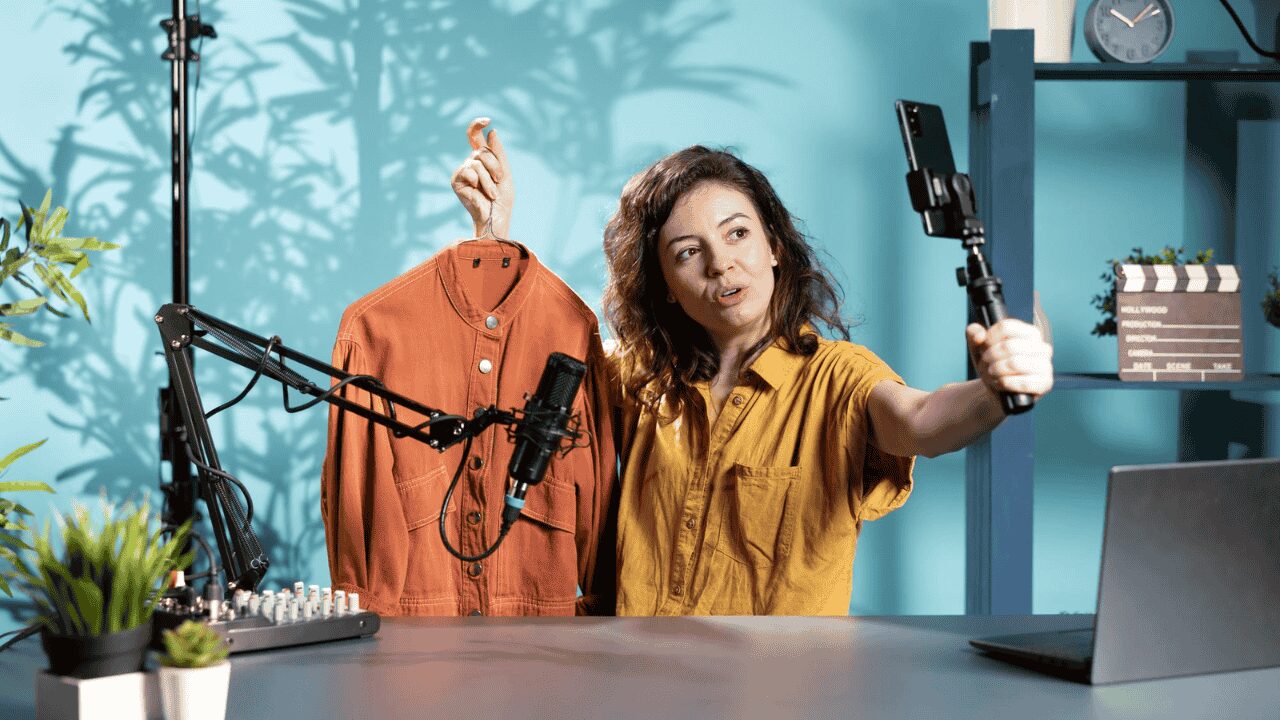
(Source – Freepik)
Brands usually approach this in one of two ways.
They either hire influencers or expect sales.
Or they hire UGC creators but give them brand-heavy scripts.
Both lead to frustration.
The missing link is strategic scripting that understands paid ads, platform behaviour, and audience psychology. This is not guesswork. It is a process.
How Brands Should Think Going Forward
Instead of asking, “Should we do UGC or influencer ads?”
A better question is, “Is our script built for performance or promotion?”
When scripts are designed for attention, clarity, and believability, even unknown creators can outperform big names. When scripts sound like ads, even the biggest influencer cannot save them.
This is the real difference in the UGC vs Influencer Ads conversation.
Need Videos, Creators, or Regional Content for Your Brand?
Boss Wallah helps brands plan and execute video content at scale, without managing multiple vendors.
We work with companies to:
- Shoot large volumes of short-form videos using real creators and studio setups, suitable for social media, websites, campaigns, and launches
- Adapt the same videos for different languages, regions, and platforms, so one shoot works across India and global markets
- Launch products or campaigns through dozens or hundreds of creators, all managed, tracked, and reported in one system
- Support brands with ongoing content, launches, regional expansion, and performance-focused campaigns
Whether you need videos for a new launch, content for multiple markets, creator-led visibility, or a steady content pipeline, Boss Wallah acts as a single partner handling production, creators, and execution end-to-end.
👉 Click here to see how Boss Wallah works with brands and what we can build for you
Final Thoughts
Creators do not scale ads. Scripts do.
If your paid social performance has plateaued, the solution is rarely a new influencer. It is almost always a new way of telling the story.
Brands that treat video ads as a creative system, not a one-off collaboration, win in the long run. That is where experienced production and scripting partners make the difference.
And yes, the camera quality still matters. Just not as much as the words spoken in the first three seconds.