UGC vs Influencer Ads: Which One Survives Creative Fatigue Longer?
Every brand that runs paid ads eventually faces the same problem. A campaign starts strong, results look promising, and then performance slowly drops without warning. Costs rise, engagement falls, and the same creative that once worked suddenly feels invisible. This is where the debate around UGC vs Influencer Ads becomes unavoidable.
Both formats can deliver results. Both are popular with brands. But when creative fatigue sets in, they behave very differently. Understanding that difference can save brands a lot of wasted spend and frustration.
What exactly is creative fatigue?
Creative fatigue happens when people see the same ad too often and stop paying attention to it. The audience is not angry with your brand. They are simply bored.
On platforms like Meta, YouTube, and Shorts, users scroll quickly and make decisions in seconds. When an ad feels familiar or predictable, the brain ignores it. Performance drops even though targeting, budget, and offers remain unchanged.
This is why creative quality and variety matter just as much as media strategy.
How influencer ads usually work
Influencer ads are collaborations where a known creator promotes a brand to their audience. These videos are usually well produced, carefully scripted, and clearly branded.
Why brands like influencer ads:
- The creator already has trust and credibility
- They work well for launches and awareness
- They help brands borrow authority quickly
Where fatigue starts creeping in:
- The same face appears repeatedly
- The content often follows a similar structure
- Viewers quickly recognise it as a paid promotion
Once the audience understands that the video is an ad, attention tends to drop faster. Even a good creator cannot escape this forever.
👉 Click here to see how Boss Wallah works with brands and what we can build for you
What UGC ads really mean
UGC stands for user-generated content. In advertising, it refers to videos that look like real users sharing opinions, experiences, or reactions. These creators are not famous and are not positioned as influencers.
UGC ads usually feel:
- Casual and unpolished
- Shot on phones instead of studios
- More conversational than promotional
Why brands use UGC ads:
- They blend naturally into social feeds
- They feel like recommendations rather than ads
- They are easier to produce at scale
Because UGC does not rely on one recognisable personality, it gives brands more flexibility and variety.
ALSO READ | How to Earn Alternative Income on YouTube Using Affiliate Marketing
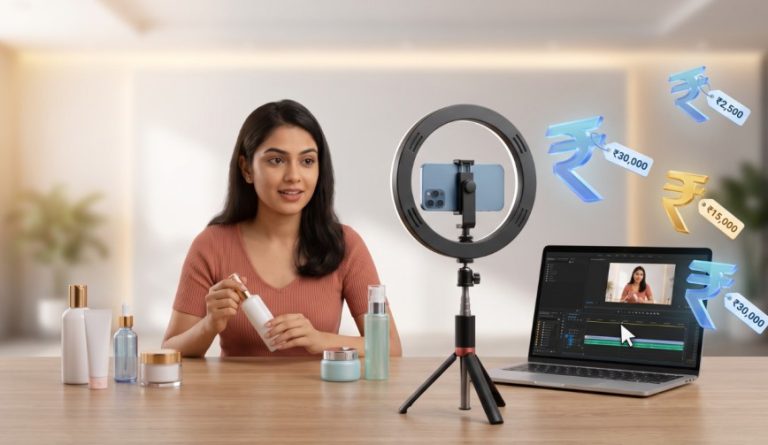
UGC vs Influencer Ads: Who lasts longer against fatigue?

(Source – Freepik)
When it comes to creative fatigue, the difference is quite clear.
Influencer ads often perform strongly at the start, then slow down quickly.
UGC ads tend to perform steadily for longer periods.
Here is why UGC ads usually survive fatigue better.
1. More creative variation
With UGC, brands can create multiple versions of the same message using different creators, hooks, and storytelling styles. Each video feels new, even if the product is the same.
Influencer campaigns often depend on one creator and one main narrative. Once the audience has seen it a few times, curiosity drops.
2. Lower resistance from viewers
Audiences are trained to identify influencer promotions very quickly. When they do, their guard goes up.
UGC ads do not trigger that reaction as fast. They feel closer to everyday content, which keeps viewers watching longer before deciding whether to skip.
3. Faster refresh cycles
UGC ads are easier to remake and update. Brands can test new hooks, angles, and formats without heavy production timelines.
This makes it simpler to fight fatigue by rotating creatives regularly instead of running the same video until performance collapses.
4. Platform-friendly by design
Social platforms reward content that looks native. UGC fits naturally into feeds because it resembles the content people already consume.
Influencer ads, over time, start looking more like traditional advertisements, even if they are well-produced.
ALSO READ | How to Find the Right YouTubers to Collaborate With in 2026
Are influencer ads still useful?
Yes. Influencer ads are not the problem. Over-reliance on them is.
They are excellent for:
- Product launches
- Brand storytelling
- Building initial trust
- Entering new markets
However, using influencer ads alone for long-term scaling often leads to faster fatigue.
The strongest brands combine influencer credibility with UGC volume and testing.
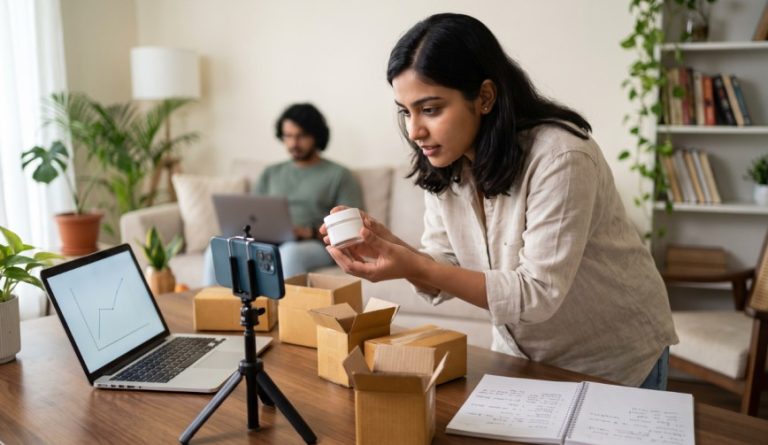
What smart brands are doing today

(Source – Freepik)
Brands that scale consistently do not choose between formats. They build systems.
- Influencer ads create authority and awareness
- UGC ads drive performance and longevity
- Creatives are refreshed regularly
- Variation is prioritised over perfection
This approach keeps campaigns fresh and reduces dependency on a single creator or format.
Need Videos, Creators, or Regional Content for Your Brand?
Boss Wallah helps brands plan and execute video content at scale, without managing multiple vendors.
We work with companies to:
- Shoot large volumes of short-form videos using real creators and studio setups, suitable for social media, websites, campaigns, and launches
- Adapt the same videos for different languages, regions, and platforms, so one shoot works across India and global markets
- Launch products or campaigns through dozens or hundreds of creators, all managed, tracked, and reported in one system
- Support brands with ongoing content, launches, regional expansion, and performance-focused campaigns
Whether you need videos for a new launch, content for multiple markets, creator-led visibility, or a steady content pipeline, Boss Wallah acts as a single partner handling production, creators, and execution end-to-end.
👉 Click here to see how Boss Wallah works with brands and what we can build for you
Final takeaway
The real question is not UGC vs Influencer Ads.
The real question is how long your creatives can stay interesting to people who did not ask to see them.
UGC ads survive creative fatigue longer because they feel human, replaceable, and adaptable. Influencer ads still matter, but they work best when supported by a strong UGC strategy.
If your ads look polished but feel tired, the issue may not be your media buying. It may be your creative mix.