Top 7 Mistakes E-commerce Brands Make with UGC Video Ads & How Studios Fix Them
UGC or User Generated Content videos are now the new face of digital advertising. They look simple, relatable, and genuine, but behind those “casual” clips lies a good amount of strategy.
Many e-commerce brands rush to make UGC videos, thinking it’s all about holding a phone and saying, “I love this product.” Unfortunately, that’s where they go wrong. Authenticity is not the same as being unplanned. Studios know this well; they make UGC videos look effortless but with careful attention to detail.
Check Out
Boss Wallah Studios empowers entrepreneurs and brands to produce high-quality content with ease.
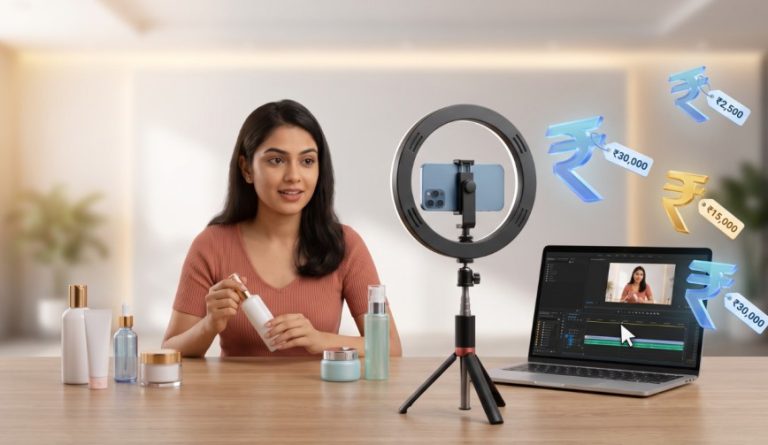
1. Treating UGC as a Random Selfie Video

( Source – freepik.com )
Authenticity works when it feels personal and professional. The biggest misunderstanding is that “real” means “raw.” But viewers won’t trust a video they can’t see or hear clearly. Quality still matters, even in UGC.
How Studios Fix It :
They use simple lighting setups that make the video look bright and natural.
They ensure crisp audio using small clip mics.
They guide the creator on framing and eye contact for a comfortable look.
They avoid shaky or distracting camera angles.
They keep the tone casual but the visuals clean and watchable.
ALSO READ | Building a UGC Engine for Your Brand – Team, Tools & Workflow
2. Ignoring the Hook in the First Three Seconds
Viewers decide within three seconds whether to watch or scroll. The opening must immediately create curiosity, surprise, or connection.
How Studios Fix It :
They start videos with a question or relatable statement like “I didn’t believe this would actually work.”
They avoid brand logos or slow intros.
They use quick pacing, close-up shots, or direct speech to hold attention.
They test multiple hooks and choose the one that keeps viewers watching.
They often start mid-action, not with “Hi everyone,” but “Look what happened when I tried this!”
3. Talking About Product Features Instead of Benefits
People buy benefits, not specifications. The viewer doesn’t care about “500 watts” or “triple-layered steel.” They care about what problem it solves.
How Studios Fix It :
They translate features into outcomes. Example: “It saves you ten minutes every morning.”
They use storytelling to connect benefits emotionally.
They keep lines short, clear, and relatable.
They focus on how life improves after using the product.
They mix emotional benefits (feeling confident, saving time) with practical ones.
4. Forgetting the Human Connection
UGC works because it feels like advice from a friend. Over-scripted videos sound fake, while unplanned ones feel chaotic. The key is guided naturalness.
How Studios Fix It :
They give flexible scripts instead of word-for-word lines.
They let creators use their own expressions and tone.
They encourage laughter, pauses, and genuine reactions.
They match the style of speaking to the target audience.
They pick the most natural take during editing — not the most perfect one.
5. Posting the Same Video on Every Platform
Each platform has its own audience and behaviour. A TikTok-style clip might feel too fast for YouTube, while a horizontal video looks odd on Instagram Reels.
How Studios Fix It :
They edit different versions for different platforms.
They make short, vertical versions for Reels and TikTok.
They keep longer, story-based cuts for YouTube or websites.
They add subtitles for Facebook, where sound is often off by default.
They adapt visuals, text, and pacing to match each platform’s flow.
6. No Clear Call to Action (CTA)
Without telling the viewer what to do next, the video may entertain but not convert. Every ad needs direction, even if it’s subtle.
How Studios Fix It :
They add clear CTAs like “Tap the link to shop now” or “Try it today.”
They keep CTAs friendly and conversational, not forceful.
They match the CTA tone with the emotion of the ad.
They highlight offers or urgency only when it feels genuine.
They sometimes add visual CTAs, text or arrows for quick attention.
7. Ignoring Data and Performance Insights

( Source – freepik.com )
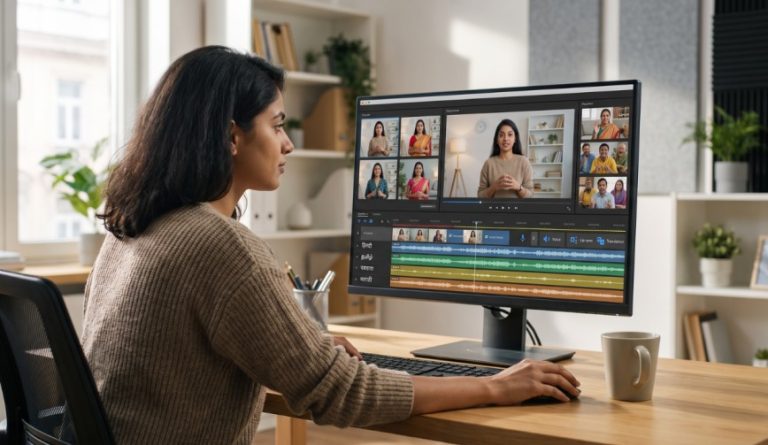
UGC content performs best when tested, refined, and repeated. Ignoring performance data means repeating the same mistakes.
How Studios Fix It :
They track metrics like engagement, watch time, and conversion.
They analyse which hooks, creators, and tones work best.
They run A/B tests on scripts and visuals.
They build content libraries based on top performers.
They use data insights to guide future shoots and ad budgets.
ALSO READ | Animated Video Production Trends in India: Why Motion Graphics Are Taking Over Marketing
Beyond the Mistakes: The Studio Way of Making UGC Work
A good studio knows that authenticity is not luck, it’s design. Their job is to make a video look as if it were shot by a real user, but still meet marketing goals. They create a balance between structure and spontaneity.
Here’s how studios get it right:
They start with audience research to understand tone and language.
They create storylines that feel unscripted but flow logically.
They plan lighting, sound, and editing without making it look too polished.
They test the ad on small audiences before scaling.
They blend human emotion with marketing psychology because good UGC isn’t just about views, it’s about connection.
Check Out
BossWallah enables you to create, optimise, and grow social media video channels effortlessly from scratch.
Final Thoughts
UGC ads are not about luck or random filming. They are about smart storytelling presented in a relatable way. When done properly, they create trust faster than any high-budget commercial.
In short:
Keep it real, but keep it clear.
Keep it personal, but still persuasive.
Keep it simple, but always strategic.
Brands that understand this balance get more engagement, more clicks, and more conversions, all while looking natural. So before you plan your next UGC ad, think like a studio, not just a fan with a camera.