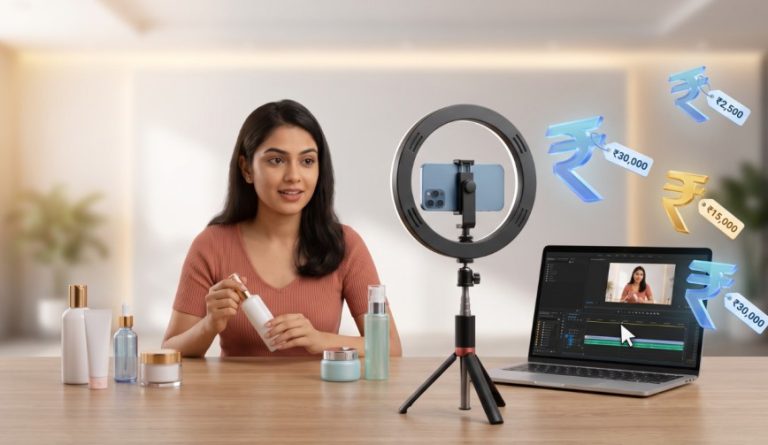
Building a UGC Engine for Your Brand – Team, Tools & Workflow
If you’re still treating User-Generated Content (UGC) like an occasional social media contest or a “let’s repost this fan video” moment, it’s time for a little wake-up call. UGC isn’t a side dish anymore. It’s the main course in modern marketing. And if your brand isn’t building a proper UGC engine, you’re basically leaving free trust and engagement sitting on the table.
Let’s break down how to build a UGC engine step by step: team, tools, and workflow included, so you can run it like a pro without losing your mind (or your weekends).
Check Out
Boss Wallah’s studios empower entrepreneurs and brands to produce high-quality content with ease.
1. Why You Need a UGC Engine (Not Just Random Posts)

Before we get into the how, let’s talk about the why.
A UGC engine is a system where your brand actively collects, curates, and uses customer-created content such as reviews, videos, testimonials, or product demos as part of your marketing cycle.
The difference between an engine and random reposting is consistency and purpose.
An engine runs continuously, feeds your marketing team with fresh, authentic content, and keeps your brand voice human.
Think of it as moving from “we’ll share this nice photo from a customer” to “we have a structured pipeline of relatable content that drives conversions.”
Click here: Animated Video Production Trends in India: Why Motion Graphics Are Taking Over Marketing
2. The Dream UGC Team
Building a UGC engine doesn’t mean hiring an army. You just need the right mix of people who understand creativity, community, and conversion.
Here’s what your UGC A-team might look like:
a. UGC Manager or Strategist
The brain of the operation. This person plans campaigns, identifies what kind of content works, and ensures everything aligns with brand goals.
b. Community Manager
They’re the voice and ears of the brand. They engage with customers, respond to comments, and encourage users to create content naturally.
c. Content Curator/Editor
Once UGC rolls in, this person polishes it, edits videos, writes captions, and ensures the tone feels consistent.
d. Data & Performance Analyst
Someone needs to track what’s working. This person monitors reach, engagement, and conversions to refine the process.
e. Legal/Compliance Support (especially for bigger brands)
Because sometimes, one wrong permission slip can lead to a PR headache. This team member ensures all UGC rights are clear before posting.
3. Tools to Keep the Engine Running Smoothly
UGC is only fun until you have to manage hundreds of clips, tags, and permissions. That’s where tools come in handy.
Here are a few that can make your life easier:
- UGC Collection Tools: Use platforms like Taggbox, Later, or TINT to gather and organise UGC automatically.
- Content Collaboration Tools: Notion, Trello, or Asana help your team manage workflow and deadlines.
- Editing Tools: CapCut, Canva, or Adobe Express are great for quick video edits and creative consistency.
- Analytics Tools: Google Analytics, Sprout Social, or Hootsuite can show which UGC performs best.
Pro Tip: Start with free or basic plans. The goal is to build a habit of collecting and reusing content, not to drown in subscriptions.
4. The Ideal UGC Workflow
Now let’s connect the dots. Here’s what a simple UGC engine workflow might look like:
Step 1: Collect
Encourage customers to create content using hashtags, review prompts, or product experience campaigns. You can also send them early samples and ask for honest feedback videos.
Step 2: Curate
Filter out what fits your brand’s tone. Authenticity matters more than polish, but keep an eye on quality and brand safety.
Step 3: Edit & Approve
Your content editor clans up visuals and ensures permission is secured. Always credit creators properly.
Step 4: Distribute
Push UGC across all relevant channels such as Instagram Reels, YouTube Shorts, website testimonials, and email newsletters.
Step 5: Analyse & Repeat
Track performance. Which videos got more engagement? Which creator’s content converted better? Refine your next campaign based on data.
Click here: Legal and Ethical Considerations in UGC Content Creation for Indian Brands
5. Common Mistakes to Avoid
- Treating UGC as a one-time campaign. It should be a continuous loop.
- Ignoring creator permissions. Always get consent in writing, even if it’s just a DM confirmation.
- Over-polishing content. The charm of UGC lies in its authenticity. Don’t turn it into an ad.
- Not engaging with creators. A simple “thank you” goes a long way in keeping your community active.
6. Keeping the Engine Human

At the end of the day, UGC isn’t about fancy visuals or trending audio. It’s about people trusting people.
If your audience feels heard, valued, and represented, they’ll keep creating content for you, no influencer contract required.
Building a UGC engine takes patience, process, and a little creative chaos. But once it’s up and running, it becomes the most sustainable and cost-effective marketing machine your brand can have.
Check Out
BossWallah enables you to create, optimise, and grow social media video channels effortlessly from scratch.
Conclusion
UGC isn’t just marketing anymore. It’s community-driven storytelling that builds trust, drives sales, and keeps your brand real. Start small, stay consistent, and give your audience a reason to create for you. Over time, your brand won’t just have followers, it’ll have fans who help you sell without even trying.