Reaching Tier 2 and Tier 3 India With Video Content: A Production Playbook for Brands Outside the Metros
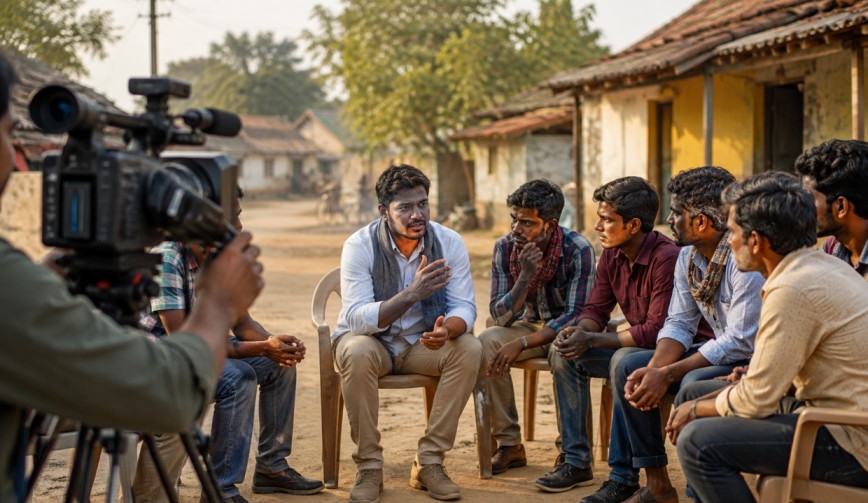
If your brand only makes videos for Mumbai, Delhi, and Bangalore, you are missing a very big party. Tier 2 and Tier 3 India, the smaller cities and towns beyond the big metros, are full of new phone users, new internet users, and new shoppers. Cheap data and low-cost smartphones have turned towns like Indore, Coimbatore, and Nagpur into real digital markets.
But here is the tricky part. You cannot take the shiny video you made for a big city and expect it to work the same way in a small town. What looks classy in a city flat can feel cold or confusing in a small town home. This blog is a simple playbook for brands that want to win over audiences outside the big cities using video marketing in India that actually feels like it was made for them.
Why You Cannot Ignore Non-Metro India Anymore
(Source – OpenAI)
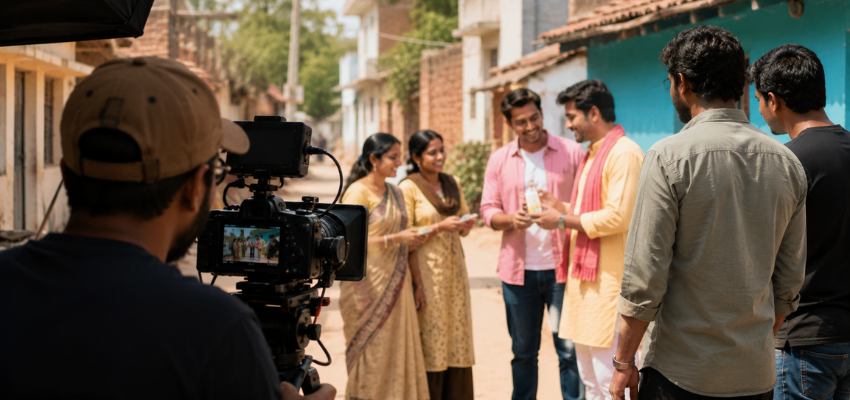
A few years back, most marketing money went to big cities because that is where people assumed the spending power was. That idea is old news now. Smaller towns are seeing more income, more dreams, and more excitement to try new brands, and video is often the first thing that gets their attention.
People in these towns watch a lot of video. Local news, cricket clips, regional shows, and funny short videos all get huge attention. This is not a side project or a small test. Non-metro India is turning into a real growth area, and video is the easiest way to reach it because it does not need people to read long, difficult text.
👉Click here to see how Boss Wallah works with brands and what we can build for you
Know Your Audience Before You Pick Up a Camera
Before you write a single line of script, take time to understand who you are making the video for. Not every Tier 2 or Tier 3 city is the same. A college student in Lucknow and a shop owner in Rajkot might both fall under the same tag on paper, but their habits and interests can be very different.
| Question to Ask | Why It Matters |
|---|---|
| What language do they actually speak at home? | The official state language may not be the one they feel most comfortable with |
| When do they usually watch videos? | Work and daily routines differ from big cities |
| What kind of jokes feel familiar to them? | Humour that works in one region can fall flat in another |
| What phone and internet speed do most people use? | This decides your video quality and file size |
Skipping this step is like cooking food without knowing who will eat it. It might still taste okay, but it will not feel like it was made just for them.
Read More | Why Every Niche Business Is Getting an AI Assistant Built Just for It, Not a Generic One.
Language Matters More Than Just Translation
This is where many brands go wrong. They take an English or Hindi script, translate it word for word, and think the job is done. That rarely works well.
Regional content works best when it is written in that language from the start, not simply translated into it. A joke that lands well in Hindi might not work at all in Tamil because humour does not always travel the same way. Local slang and tone carry meaning too.
If your budget allows, get a local writer to check the script. This one small step is often the biggest reason a video feels real instead of feeling like an outsider trying too hard. Good vernacular content builds trust faster than anything else.
Keep It Simple, Not Cheap Looking
Many brands believe that videos for small towns need to look low budget because “that is what people expect there.” This is simply not true. People in Tier 2 and Tier 3 towns enjoy good quality content just like anyone else. What they do not enjoy is content that feels fake or shows a world nothing like their own.
The real goal is simple production, not cheap production:
- Clear sound so people do not have to strain to hear
- Good lighting even in a small shop, farm, or home
- Real locations that look like where your audience actually lives and shops
- Familiar faces instead of only big city models or celebrities
Using local talent instead of flying in a celebrity from the city often works better. A familiar face builds trust much faster than a polished but unknown one.
Mobile First Is a Must, Not a Choice
In big cities, people sometimes watch videos on laptops or smart TVs. In smaller towns, the phone is usually the only screen. This changes how you should shoot and edit your videos.
Vertical or square videos work better since that is how people naturally hold their phones. Text on screen should be big enough to read even in bright sunlight. Keep sentences short since people often watch while doing something else, like standing in a shop or waiting for a bus.
Also, internet speed can be patchy in smaller towns. Heavy video files that take forever to load will simply be skipped. This makes mobile-first video planning a must, not an option.
Tell Stories That Feel Familiar, Not Far Away
Big city ads often show sleek homes and picture-perfect settings that can feel out of reach for smaller town viewers. This can push people away instead of pulling them in.
Instead, build your stories around things your audience knows well:
- A joint family gathering
- A local festival or fair
- A neighbourhood shop
- Wedding season chaos
A light, warm sense of humour also works wonders here, as long as it never makes fun of anyone. People enjoy content that makes them smile, not content that talks down to them.
Choosing the Right Platforms
Short videos are popular almost everywhere now, but regional YouTube channels and simple sharing through WhatsApp marketing still carry a lot of weight in smaller towns.
| Platform | Best Use |
|---|---|
| Instagram or short video apps | Quick, snappy videos for discovery |
| YouTube (in local language) | Longer videos with more detail |
| Simple, shareable clips that spread through word of mouth |
Think of WhatsApp as the original social network in many of these towns. If your video is easy to forward, it will travel far beyond your paid budget.
Measuring What Actually Matters
(Source – OpenAI)
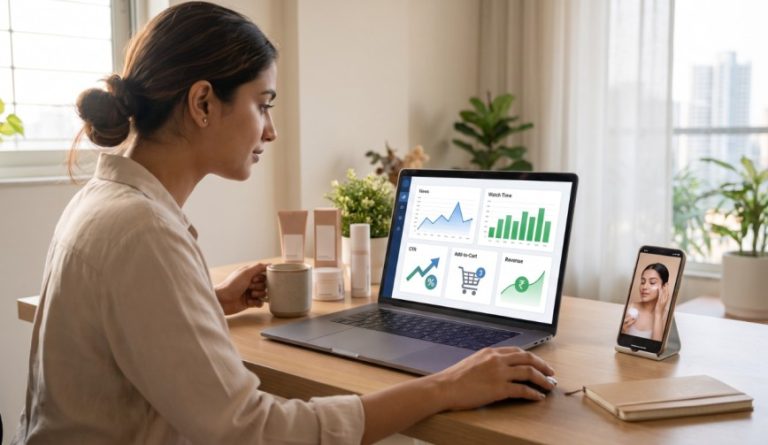
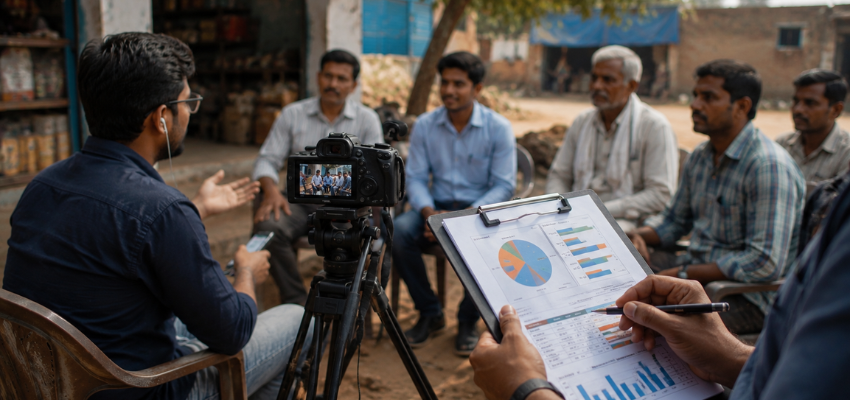
Flashy view counts do not always show real impact in smaller towns. Instead, look at signals that show a genuine connection:
- How many people watched till the end
- How many people shared or forwarded the video
- Comments written in the local language
- Real store visits, calls, or purchases linked to the video
A video with fewer views but more shares and full watch time is often doing a better job than one with big numbers and no real interest behind them.
Quick Checklist Before You Shoot
- Have you studied the actual town, not just the state?
- Did a local person write or check the script?
- Is the audio and lighting solid, even in a simple setting?
- Is the video made mobile-first?
- Does the story feel familiar to daily life there?
- Is it easy to share on WhatsApp?
If most answers are yes, you are already doing better than many brands still treating non-metro India as an afterthought.
Need Videos, Creators, or Regional Content for Your Brand?
Boss Wallah helps brands plan and execute video content at scale, without managing multiple vendors.
We work with companies to:
- Shoot large volumes of short-form videos using real creators and studio setups, suitable for social media, websites, campaigns, and launches
- Adapt the same videos for different languages, regions, and platforms, so one shoot works across India and global markets
- Launch products or campaigns through dozens or hundreds of creators, all managed, tracked, and reported in one system
- Support brands with ongoing content, launches, regional expansion, and performance-focused campaigns
Whether you need videos for a new launch, content for multiple markets, creator-led visibility, or a steady content pipeline, Boss Wallah acts as a single partner handling production, creators, and execution end-to-end.
👉Click here to see how Boss Wallah works with brands and what we can build for you
Final Thoughts
Reaching Tier 2 and Tier 3 India is not about making a smaller, cheaper copy of your city campaign. It is about understanding a different audience with its own language and daily life, and building a proper content strategy around that.
Brands that get this right are not just growing their numbers; they are earning real trust in markets that will only get bigger. And honestly, this kind of video-making is far more fun than another shiny city ad that looks like every other shiny city ad out there.
Frequently Asked Questions
1. What are Tier 2 and Tier 3 cities in India?
They are mid-sized and smaller towns, like Indore or Coimbatore, ranked below the big metro cities in size and infrastructure.
2. Is regional language content really needed for these markets?
Yes, videos made in the local language almost always connect better than Hindi or English-only content.
3. Do brands need a big budget for good video content here?
No, clear sound, decent lighting, and honest storytelling matter far more than a huge budget.
4. Which platform works best for non-metro audiences?
A mix of short videos, local language YouTube content, and WhatsApp sharing usually works best together.
5. How should success be measured for these campaigns?
Track watch time, shares, local comments, and real actions like store visits, not just view counts.