Ads Not Converting After Updates? Here’s What Brands Get Wrong
If your ads not converting right after a platform update feels personal, you are not alone. One fine morning, the dashboard looks different, the numbers dip, and suddenly everyone on the team has a theory. “The algorithm changed.” “Targeting is broken.” “People have stopped buying.”
Truth is, updates do affect performance, but not in the way most brands think.
Let us break down what actually goes wrong after ad platform updates and why conversion drops are usually self-inflicted.
The Big Misunderstanding About Platform Updates
When platforms like Google or Meta roll out updates, brands often assume the system has turned against them. In reality, updates usually aim to improve user experience or ad quality.
An update might change how ads are shown, how creatives are ranked, or how data is interpreted. But the update does not suddenly decide your ad is bad. It simply starts judging it differently.
If ads stop converting, it is usually because the ad was already weak and the update just exposed it.
Ads Not Converting Because Creative Is Treated Like a One-Time Task
This is the most common mistake.
Brands put a lot of effort into launching a campaign. New visuals, new copy, new video. Then they let it run for weeks or months without change.
Before updates, this sometimes works. After updates, platforms expect fresh and relevant content more often.
Creative fatigue is when users have seen your ad too many times and stop reacting to it. The platform notices this quickly after an update.
If your ads are not converting, ask this first:
- When was the last time the creative changed?
- Are we testing new videos or formats regularly?
If the answer is “a while ago,” that is your problem.
👉 Click here to see how Boss Wallah works with brands and what we can build for you
Assuming Targeting Will Save Weak Ads

(Source – Freepik)
Another popular belief is that better targeting fixes everything.
Targeting decides who sees the ad. Creative decides whether they care.
After updates, platforms rely more on ad quality signals like watch time, clicks, and engagement. If the ad itself does not hold attention in the first few seconds, no amount of targeting will help.
This is especially true for video ads. If your video does not explain the value clearly and quickly, people scroll past.
In simple terms, the platform thinks like this:
“If people ignore this ad, why should I show it more?”
ALSO READ | Why Your Ads Stop Converting the Moment You Scale Them
Metrics Are Read Without Context
After updates, brands often panic by looking only at conversion numbers.
Conversions are the final result, not the starting point.
You should first look at:
- Hook rate: how many people stop scrolling
- View rate, how long they watch the video
- Click-through rate, how many clicks after seeing it
If these drop, conversions will drop too. This does not mean the product is bad. It means the message is not landing.
Updates make platforms stricter about these early signals.
Ads Are Still Made for the Brand, Not the User
Many ads look good in meetings but fail on screen.
Logos appear too early. Brand stories take too long. The actual problem the user has comes much later, if at all.
After updates, platforms reward ads that feel native. That means ads that look and sound like content people already consume.
This is why creator-style videos, direct messaging, and problem-first storytelling work better today.
If your ad looks like a TV commercial, chances are it struggles after every major update.
No System for Creative Refresh
One ad failing is not the issue. Having no backup is.
High-performing brands plan for creative rotation. They assume ads will slow down and prepare alternatives in advance.
A creative refresh system means:
- Multiple ad variations ready at launch
- New creatives introduced every few weeks
- Testing different hooks, visuals, and formats
Without this system, updates feel scary because everything depends on one or two ads.
ALSO READ | How Short-Form Videos Are Powering Modern Digital Ad Campaigns
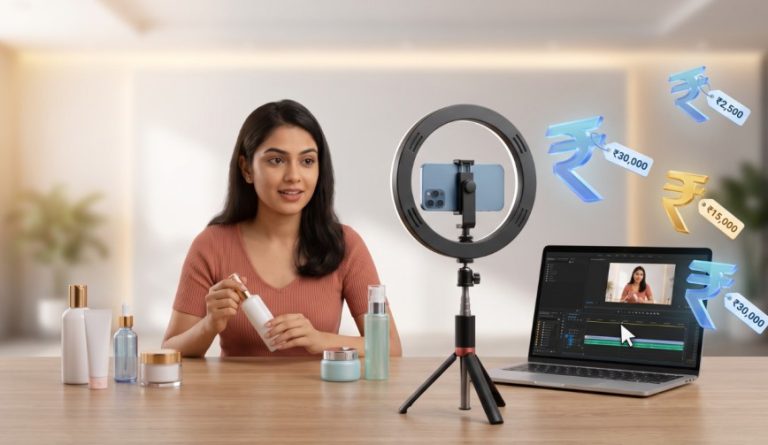
Why Ads Not Converting Is a Production Problem Too

(Source – freepik)
This is where many brands overlook the real gap.
Good ads need more than good ideas. They need consistent production.
Video ads today are not about one perfect film. They are about volume, testing, and speed.
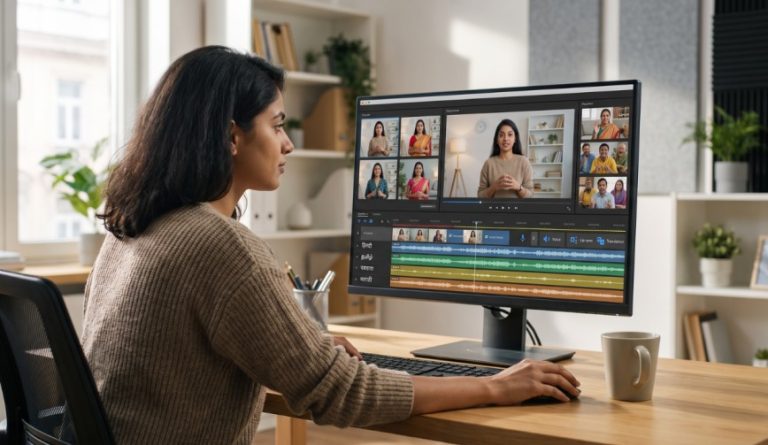
If producing a new video takes weeks, you will always react late to updates.
Brands that work with dedicated production partners move faster. They test more. They adapt better.
How We Help Brands Fix This
When brands come to us saying ads are not converting, we do not start with targeting tweaks. We start with creative clarity.
We focus on:
- Understanding what the user cares about in the first three seconds
- Producing multiple ad variations instead of one hero asset
- Aligning creative with how platforms currently reward engagement
- Building a repeatable system, not one-time campaigns
Updates will keep happening. That will not change.
What can change is how prepared your brand is when they do.
Need Videos, Creators, or Regional Content for Your Brand?
Boss Wallah helps brands plan and execute video content at scale, without managing multiple vendors.
We work with companies to:
- Shoot large volumes of short-form videos using real creators and studio setups, suitable for social media, websites, campaigns, and launches
- Adapt the same videos for different languages, regions, and platforms, so one shoot works across India and global markets
- Launch products or campaigns through dozens or hundreds of creators, all managed, tracked, and reported in one system
- Support brands with ongoing content, launches, regional expansion, and performance-focused campaigns
Whether you need videos for a new launch, content for multiple markets, creator-led visibility, or a steady content pipeline, Boss Wallah acts as a single partner handling production, creators, and execution end-to-end.
👉 Click here to see how Boss Wallah works with brands and what we can build for you
Final Thoughts
If your ads stop converting after updates, do not blame the platform immediately. Updates rarely break good ads. They expose the weak ones.
The brands that win are not the ones chasing every algorithm rumour. They are the ones investing in better, faster, and more relevant creative.
And if you want ads that survive updates instead of fearing them, it starts with how you plan, produce, and refresh your content.