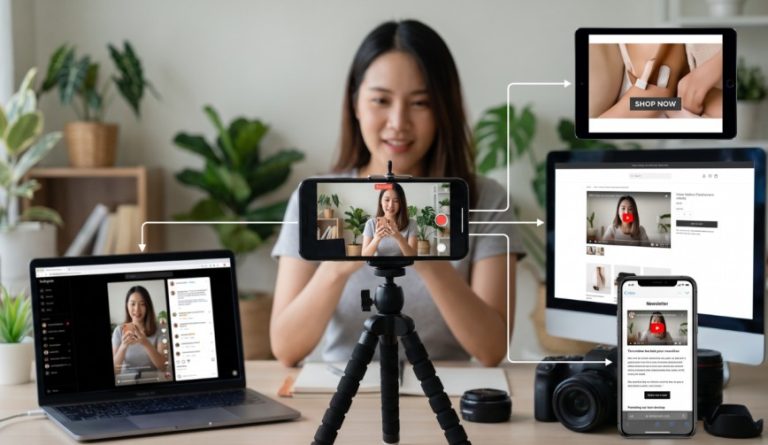
UGC vs Studio Video for D2C Brands in India 2026: Which One Sells More
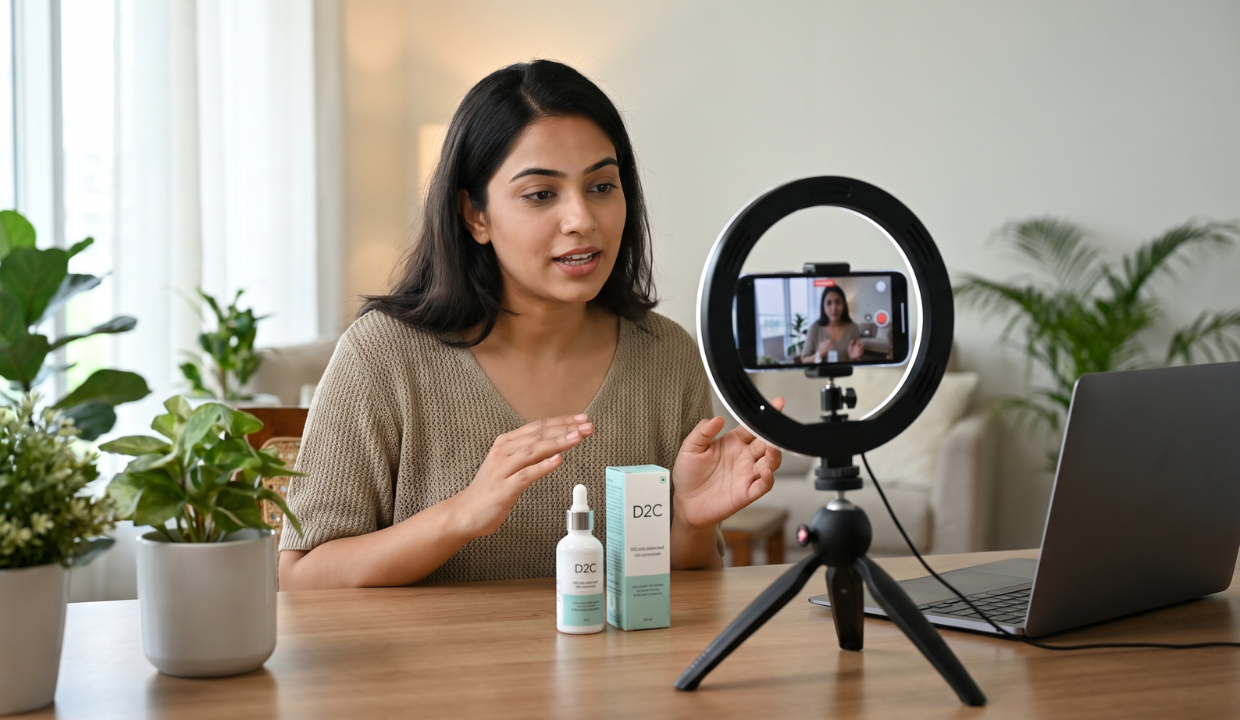
In 2026, Indian D2C brands are spending more time and money on video, but one question keeps coming up: UGC vs Studio Video for D2C Brands in India 2026: Which One Sells More? Should a brand invest in polished studio production, or should it work with creators who make simple, natural videos? The answer is not as simple as choosing the cheaper option. A beautiful video can make a product look great, while a casual creator video can make people think, “This could actually work for me.” For many brands, both have a place.
UGC vs Studio Video for D2C Brands in India 2026

(Source – OpenAI)
First, let us make the two formats easy to understand.
UGC, or user-generated content, is content that looks and feels like it came from a real customer or creator. A person might unbox a product, show how they use it, review it, or explain why they bought it.
Studio video is professionally made content. It usually involves planned lighting, cameras, scripts, models, product setups, editing, and a controlled location.
Neither is automatically better. The right choice depends on your product, audience, budget, and where you plan to use the video.
| Factor | UGC Video | Studio Video |
|---|---|---|
| Cost | Usually lower | Usually higher |
| Production speed | Fast | Takes more time |
| Style | Natural and casual | Polished and planned |
| Customer connection | Strong | Depends on the video |
| Product presentation | Good | Excellent |
| Testing ideas | Easy | More expensive |
| Social media | Very suitable | Suitable |
| Premium branding | Moderate | Strong |
👉Click here to see how Boss Wallah works with brands and what we can build for you
Why UGC Works So Well on Social Media
People see advertisements everywhere.
They scroll through Instagram, watch YouTube videos, browse websites, and see sponsored posts throughout the day. After a while, another perfect product advertisement can be easy to ignore.
This is where UGC can help.
A creator sitting at home and saying, “I tried this for a week, and here is what I noticed” can feel more natural than a highly polished advertisement.
That is one reason UGC marketing has become useful for D2C brands.
For example, a skincare brand could ask a creator to show their morning routine. A kitchen brand could show someone using a new product while cooking. A fitness brand could show how a product fits into a normal workout.
The video does not need to look like a television commercial. In fact, being too perfect can sometimes make it feel less real.
Read More | UGC Whitelisting in 2026: How Small Brands Run Creator Videos as Paid Ads the Right Way.
The Biggest Advantage of UGC Is Testing
A D2C brand rarely knows which message will work best before customers see it.
You might think customers care most about a product’s price. They may actually care more about convenience. Or they may want to know whether the product solves a specific problem.
With UGC creators, brands can test different ideas quickly.
For example, you could create:
- One video about the main customer problem
- One video showing how the product works
- One creator review
- One unboxing video
- One comparison video
- One video answering common customer questions
This gives the brand several chances to find a winning idea.
And this matters because the video that looks best in a marketing meeting is not always the video that sells best.
Sometimes the simple phone video wins.
Where Studio Video Has the Advantage
Now, studio video is not going anywhere.
Some products need a more polished presentation. If you sell luxury jewellery, premium furniture, expensive electronics, or high-end beauty products, customers may expect the product to look as good as it feels.
Studio video production gives you more control over the final result.
You can carefully control:
- Lighting
- Camera angles
- Backgrounds
- Product placement
- Sound
- Models
- Brand style
- Editing
This is especially useful when showing small product details.
Imagine a premium smartwatch. A studio video can show the screen, buttons, design, packaging, and features through carefully planned shots.
That level of control can be difficult to achieve with casual creator content.
Studio Video Can Build a Stronger Brand Image
A good product video does more than explain what something does.
It also tells customers what kind of brand you are.
A premium-looking video can make a young D2C brand appear more established. Consistent visuals can also help customers recognise the brand across its website, advertisements, and social pages.
This makes studio content useful for:
- Product launches
- Website videos
- Brand introduction videos
- Premium products
- Detailed product demonstrations
- Campaigns that need a consistent look
However, there is one danger.
If every video looks like a formal advertisement, people may simply scroll past it.
That is why D2C video marketing often works better when brands mix polished content with more natural content.
Which One Works Better for Video Ads?
There is no universal winner.
The best approach is to test both formats.
UGC can work well when the goal is to make someone stop scrolling and pay attention. Studio video can work well when the customer needs to understand the product clearly.
Here is a simple way to think about it:
| Marketing Goal | Better Starting Point |
|---|---|
| Show a real customer experience | UGC |
| Build trust | UGC |
| Test different messages | UGC |
| Show product details | Studio |
| Create a premium look | Studio |
| Introduce the brand | Studio |
| Create several social ads quickly | UGC |
| Launch a high-value product | Both |
For video ads, the smartest move is often to create different versions and compare their results.
Do not judge only by views.
A video can get thousands of views and very few sales. Another may get fewer views but bring more people to the product page and generate more purchases.
What About Cost?
Cost is another major difference.
Professional production can include studio rental, cameras, lighting, models, production staff, editing, and other expenses.
UGC is usually simpler because creators can often film in their own homes or normal surroundings.
But UGC is not completely free.
Brands still need to pay creators and may need to spend money on editing, managing content, sending products, and requesting revisions.
The real advantage is flexibility.
Instead of putting the entire budget into one large production, a brand can create several pieces of content and see what customers respond to.
For a growing D2C business, that can be a much safer way to spend a limited content budget.
Read More | Best Brand Collaborations: Types & How to Approach Brands.
A Simple Content Mix for D2C Brands
You do not have to choose one format forever.
A practical D2C content strategy could look like this:
| Content | Main Purpose |
|---|---|
| 3 to 5 UGC videos | Test different hooks and messages |
| 2 creator reviews | Build trust |
| 1 product demonstration | Explain how the product works |
| 1 studio brand video | Create a polished brand image |
| Short video clips | Use in social media ads |
| Product photos | Website and marketplace listings |
This gives you a content library without spending your entire budget on one big shoot.
What Indian D2C Brands Should Test in 2026
Indian customers have plenty of choices today. If two brands sell similar products at similar prices, the brand that explains its value clearly has a better chance of getting attention.
Your D2C video marketing strategy should therefore focus on customer problems instead of simply showing the product.
Try these approaches:
1. Start With the Problem: Show the problem your customer faces before showing the product.
2. Show the Product in Use: Do not just hold the product in front of the camera. Show what it actually does.
3. Use a Real Experience: Ask a creator to explain how they used the product and what they liked about it.
4. Answer Customer Questions: Turn common questions from product reviews or customer support into short videos.
5. Test Different Openings: The first few seconds matter. Try different openings to see which one gets people to keep watching.
These tests can help you understand what your audience actually wants instead of guessing.
UGC Has Some Weak Points Too
UGC is useful, but it is not perfect.
Different creators have different filming styles. One may deliver excellent footage while another may send a video with poor lighting or unclear sound.
Brands also need to make sure creators understand what they can and cannot say about the product.
A simple creator brief should include:
- The main product benefit
- Who the product is for
- What needs to be shown
- Important points to mention
- Video length
- Format
- Deadline
- Revision requirements
The trick is to give creators enough direction without making them sound like they are reading from a school textbook.
Natural is the whole point.
The Best Strategy May Be a Mix of Both
Instead of asking whether UGC or studio video is better, ask where each one makes sense.
Use UGC when you want to:
- Build trust
- Show real-life use
- Test different messages
- Create social media content
- Produce more videos quickly
Use studio video when you want to:
- Present a premium product
- Show small product details
- Build a consistent brand image
- Create professional website content
- Explain complex features
This creates a balanced video marketing strategy.
UGC can get attention. Studio video can create a strong product presentation. Together, they can cover more parts of the buying journey.
So, Which One Sells More?

(Source – OpenAI)
The honest answer is that there is no single winner in the UGC vs Studio Video for D2C Brands in India 2026: Which One Sells More debate.
UGC may perform better when customers need relatability and trust. Studio video may perform better when presentation and product details matter.
The smartest choice is to test both.
Track useful numbers such as:
- Clicks
- Product page visits
- Add-to-cart actions
- Purchases
- Cost per purchase
- Return on ad spend
Return on ad spend, or ROAS, simply means how much money you make from the money spent on advertising.
If a simple creator video brings more sales than a costly production, that is not a failure. It is useful information.
The goal is not to make the most expensive video.
The goal is to make the video that helps customers understand, trust, and buy the product.
Need Videos, Creators, or Regional Content for Your Brand?
Boss Wallah helps brands plan and execute video content at scale, without managing multiple vendors.
We work with companies to:
- Shoot large volumes of short-form videos using real creators and studio setups, suitable for social media, websites, campaigns, and launches
- Adapt the same videos for different languages, regions, and platforms, so one shoot works across India and global markets
- Launch products or campaigns through dozens or hundreds of creators, all managed, tracked, and reported in one system
- Support brands with ongoing content, launches, regional expansion, and performance-focused campaigns
Whether you need videos for a new launch, content for multiple markets, creator-led visibility, or a steady content pipeline, Boss Wallah acts as a single partner handling production, creators, and execution end-to-end.
👉Click here to see how Boss Wallah works with brands and what we can build for you
Final Takeaway
For D2C brands in India, video is no longer just about making products look attractive. It is about helping customers make a decision.
UGC brings a human touch. Studio video brings polish and control. A strong D2C video marketing strategy can use both instead of treating them as competitors.
Start small, test different ideas, watch the numbers, and invest more in the formats that actually help your business.
Because sometimes the video made with a professional camera loses to a creator filming in their living room. Marketing can be funny like that.
FAQs
1. Is UGC better than studio video for D2C brands?
UGC can be better for trust and relatable content, while studio video can be better for premium presentation and detailed product demonstrations.
2. Is UGC cheaper than studio video?
UGC is usually cheaper because it needs fewer production resources, although creator fees and editing costs still apply.
3. Can a D2C brand use both UGC and studio videos?
Yes, using both formats can help a brand build trust while maintaining a strong and professional visual identity.
4. Which video format is better for social media ads?
UGC is often a strong starting point for social media ads because it feels natural, but both formats should be tested against actual sales results.
5. How should a D2C brand choose between UGC and studio video?
Choose based on the product, customer, marketing goal, and budget, then test both formats to see which produces better results.