How Top Companies Reduce Their Video Production Cost Without Compromising on Quality
Video has become one of the most powerful tools in marketing. Brands use videos for ads, websites, social media, internal training, product launches and even customer support. The impact is huge, but so is the fear of cost.
Many businesses assume that good video quality automatically means big budgets, celebrity actors and expensive studios. Top companies know this is not true. They focus on smart planning instead of flashy spending.
Let us look at how successful companies reduce video production costs while still delivering videos that look professional, engaging and effective.
They Define the Objective Before Anything Else

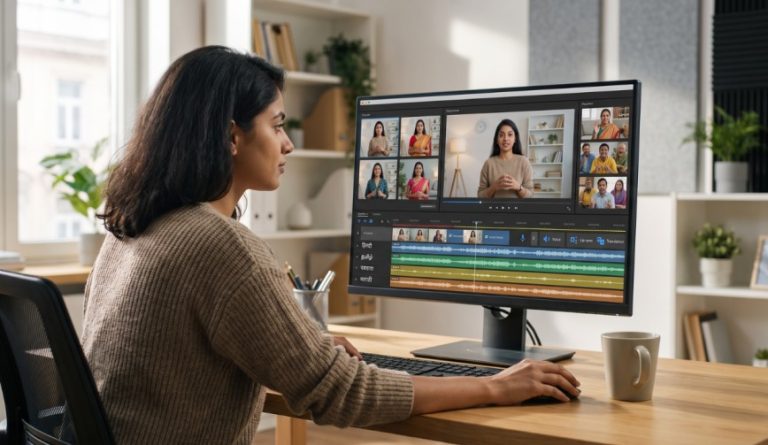
( Source – freepik.com )
Most video budget problems start with unclear goals.
Instead of asking “Can we make a cool video?”, top companies ask very specific questions:
Who is this video meant for?
Where will it be published?
What action should the viewer take after watching?
This clarity decides everything from video length to shooting style.
For example, a product demo video for a website needs clarity and close shots. A brand awareness video for social media needs energy and strong visuals. When the goal is clear, unnecessary scenes and reshoots are avoided.
Less confusion means less money wasted.
Check Out
Boss Wallah Studios empowers entrepreneurs and brands to produce high-quality content with ease.
They Understand That Planning Is Cheaper Than Fixing Mistakes
Planning is not boring. It is cost-saving.
Top companies invest time in:
Scriptwriting
Storyboarding
Shot lists
A storyboard is a simple visual plan that shows what will appear in each scene. It does not need to be artistic. Even rough sketches work.
This planning helps because:
Everyone knows what needs to be shot
Shooting time is reduced
Editors get clear direction
Fixing mistakes during editing or scheduling reshoots costs much more than spending extra hours planning.
They Keep Scripts Simple and Human
Complex scripts increase cost.
Long dialogues, multiple locations and complicated camera movements sound impressive but increase production time.
Top companies write scripts that are:
Easy to understand
Conversational
Focused on one core message
Simple scripts also make it easier for non-actors like employees or founders to deliver lines naturally. This saves money on retakes and professional voice artists.
If the message is clear, the video works even without dramatic storytelling.
They Use Lean Production Teams
Large crews look professional, but are not always necessary.
Instead of hiring a full production house for every project, companies now work with:
Small teams
Freelancers with multiple skills
In-house content creators
For example, one experienced videographer who can shoot and edit can handle many digital videos. This reduces coordination issues and lowers cost.
Lean teams are also faster, which means fewer billable hours.
They Build In-House Capabilities Gradually
Top companies do not outsource everything forever.
Over time, they invest in:
Basic cameras
Lighting equipment
Microphones
Simple editing software
This allows them to create:
Internal videos
Social media content
Quick product updates
High-end agencies are then used only for large campaigns. This hybrid model keeps costs under control while maintaining quality standards.
They Avoid Over-Reliance on Expensive Locations
Location costs are often underestimated.
Top companies choose locations that are:
Easily accessible
Free or low cost
Relevant to the brand
Offices, homes, warehouses and even cafés can work well with proper lighting. A clean background and good framing matter more than a luxury studio.
Audiences today care more about authenticity than fancy sets.
They Use Real People to Build Trust and Save Money
Hiring actors increases cost and sometimes reduces authenticity.
Many companies now feature:
Founders
Team members
Real customers
Real people bring genuine expressions and believable emotions. They also reduce expenses related to casting, rehearsals and fees.
Viewers trust real experiences more than scripted performances. This improves both engagement and conversion.
They Shoot With Repurposing in Mind
This is one of the smartest cost-saving strategies.
Instead of producing separate videos for every platform, companies plan content that can be reused.
During one shoot, they capture:
Horizontal videos for websites or YouTube
Vertical clips for reels and shorts
Close-up shots for ads
Later, the same footage is edited into multiple formats.
One shoot can deliver content for weeks or even months. The production cost stays the same, but the value multiplies.
They Keep Editing Clean and Purposeful

( Source – freepik.com )
Editing is where costs can quietly increase.
Top companies avoid unnecessary elements like:
Heavy animations
Excessive visual effects
Over-designed transitions
Instead, they focus on:
Clear cuts
Simple text overlays
Subtitles for silent viewing
Light background music
This keeps editing time short and makes videos easier to update later.
Good editing supports the message instead of distracting from it.
They Produce Content in Batches
Producing one video at a time is inefficient.
Smart companies plan content calendars and shoot multiple videos in one session. This approach saves money because:
Equipment is set up only once
The same location is reused
The team stays in flow
Batch production also ensures a consistent visual style across videos.
They Track Performance and Learn From Data
Top companies do not guess what works. They measure it.
They track metrics like:
Watch time
Engagement rate
Clicks and conversions
Cost per lead or sale
If simple talking-head videos perform better than cinematic ads, they invest more in that format. If something underperforms, they stop spending on it.
This data-driven approach prevents repeated mistakes and improves future video budgets.
Check Out
BossWallah enables you to create, optimise, and grow social media video channels effortlessly from scratch.
Final Thoughts
Reducing video production cost is not about choosing cheap options. It is about making smart decisions at every stage.
Top companies succeed because they:
Plan thoroughly
Focus on clarity over complexity
Use real people and real settings
Repurpose content intelligently
Let performance data guide spending
In the end, good video quality comes from strong ideas, not oversized budgets. When creativity meets planning, quality stays high, and costs stay under control.