How B2B Brands Use UGC to Convert Webinars Into 10 Micro Ads
In the B2B universe, webinars are treated like grand presentations. Slides are polished, speakers are prepped, reminder emails are sent, and the marketing team crosses its fingers, hoping people actually stay till the end.
But here is the reality. Most webinars live a short and lonely life. Once the session is over, the recording is quietly uploaded somewhere and slowly forgotten.
Smart B2B brands refuse to let that happen. They look at webinars as a content factory and use UGC or User Generated Content to turn one long session into more than 10 micro ads that continue to bring leads, attention, and credibility.
Let us dive deeper into how this process actually works.
Why Webinars Are Perfect for UGC

( Source – freepik.com )
Webinars already contain three powerful elements:
Real experts sharing knowledge
Real audiences reacting live
Real discussions happen naturally
This combination creates authentic content without extra effort. And authenticity is exactly what UGC thrives on. Instead of creating ads that feel forced, brands simply extract what already happened naturally.
It is like cooking one big meal and having leftovers that taste even better the next day.
Check Out
Boss Wallah Studios empowers entrepreneurs and brands to produce high-quality content with ease
10 Practical Ways Brands Create Micro Ads From Webinars
1. Expert Insight Clips
Every webinar has moments where the speaker drops valuable advice. Brands isolate these moments and convert them into short videos.
These clips usually focus on:
Industry trends
Practical tips
Strategic advice
Each clip becomes a standalone ad that positions the brand as knowledgeable and reliable.
ALSO READ | Why UGC Videos Outperform Studio Ads in High-Consideration B2B Industries
2. Attendee Reaction Snippets
Some companies follow up with participants and ask for quick feedback. This feedback is recorded as short videos or voice notes.
Why does this matter?
Because when another business owner says,
“This webinar actually helped us fix our sales process”
It feels genuine and relatable.
This UGC builds trust faster than any scripted campaign.
3. Social Proof Visuals
Attendees often post about the webinar on LinkedIn or other platforms. Smart brands take permission and convert these posts into branded visuals.
These visuals become ads that quietly say,
People like you found value in this. Maybe you will too.
It works beautifully because humans follow humans, not logos.
4. Problem and Solution Mini Stories
The Q&A section of a webinar is a goldmine. Each question reflects a real problem faced by the target audience.
Brands turn these into short ads showing:
The problem raised
The expert solution
The key takeaway
This format immediately attracts viewers who are facing similar challenges.
5. Top Learning Summary Ads
Not everyone wants to watch a full 60-minute webinar. Brands, therefore, create summary micro ads highlighting the top learning points.
For example:
3 mistakes B2B sales teams make
5 tips to improve lead conversion
4 tools to automate follow-ups
These act as quick knowledge bites that still carry high value.
6. Audience Emotion Moments
It could be a laugh, a surprised reaction, or a moment of agreement in the chat. These little emotional responses are also UGC.
When people see genuine reactions, they feel that the session was engaging, not just another boring online lecture.
And yes, it also proves that someone was actually paying attention.
7. Poll Results as Data Ads
Many webinars include live polls. These results provide instant industry insights.
Brands convert these into micro ads like:
“65 per cent of B2B teams struggle with lead follow-up consistency.”
This transforms your ad into a mini research report, which instantly raises credibility.
8. Mini Case Studies From Attendees
Some participants share how they applied the webinar learnings. Brands turn these into short case-style ads.
The format is simple:
The challenge
What they learned
The outcome
These are powerful because they show real results, not just promises.
9. Speaker Quote Micro Content
A strong line from the speaker can become a quote ad or a short video clip. These are perfect for LinkedIn and email campaigns.
Clear, focused, and authority-building.
10. Invitation Ads Powered by Past UGC
Once the micro content is ready, brands use it to promote future webinars.
Instead of saying
“Join our upcoming session”
they say
“Here is what our last attendees experienced. Want to be part of the next one?”
This approach feels inviting rather than pushy.
How This Strategy Benefits B2B Brands

( Source – shutterstock.com )
Stronger trust
UGC feels honest because it is not overly polished.
Better engagement
Short micro ads keep attention without overwhelming the viewer.
Cost efficiency
Brands save money by reusing existing content instead of creating everything from scratch.
Extended visibility
The webinar continues to generate value long after it ends.
ALSO READ | B2B Side of Social Media Growth: Why Indian Companies Are Missing Out
Simple Process Used by Smart Brands
Conduct the webinar
Record everything, including chat and reactions
Identify useful and engaging moments
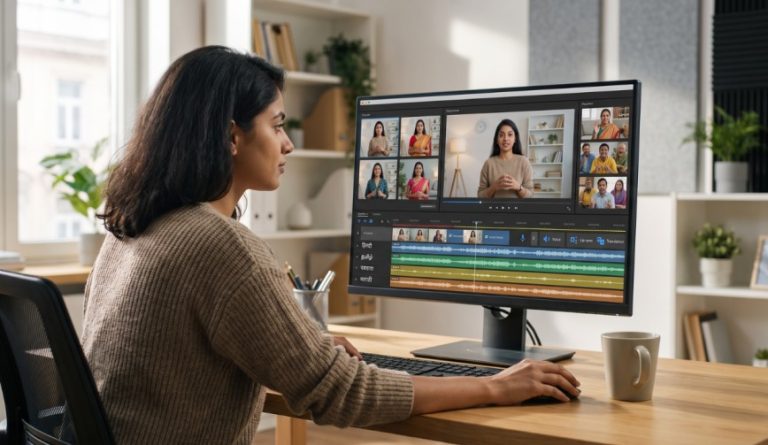
Edit them into micro ads
Add light branding and subtitles
Distribute across platforms
Monitor performance and optimise future content
Effort invested once, benefits enjoyed many times.
Common Terms Explained Clearly
UGC means content created by real users or attendees.
Micro ads are short ads that focus on one specific message.
CTA stands for Call To Action, which tells the viewer the next step.
No marketing dictionary required.
Check Out
BossWallah enables you to create, optimise, and grow social media video channels effortlessly from scratch
Final Thoughts
Webinars are not just learning sessions anymore. They are content ecosystems. With the smart use of UGC, one webinar can transform into a full marketing campaign made of bite-sized, high-impact micro ads.
In a world where attention spans are shorter than a coffee break, this strategy keeps brands visible, relevant, and human.
So next time you host a webinar, remember. It is not just a one-hour talk. It is a long-term marketing asset quietly waiting to be repurposed.
And your audience? They are not just listeners. They are your most powerful storytellers.