Creators Ads vs Studio Ads: What Indian Brands Get Wrong While Choosing
Indian brands today have more advertising options than ever before. With creators producing content every day and studios offering high-quality productions, choosing the right format should be easy. Yet, many brands still struggle and end up blaming the platform, the agency, or even the audience when results do not come.
The real issue is not creators versus studios. The real issue is misunderstanding how each one works and where each one fits. Let us look at this in detail, in simple language, without marketing jargon overload.
Understanding Creator Ads Clearly

( Source – freepik.com )
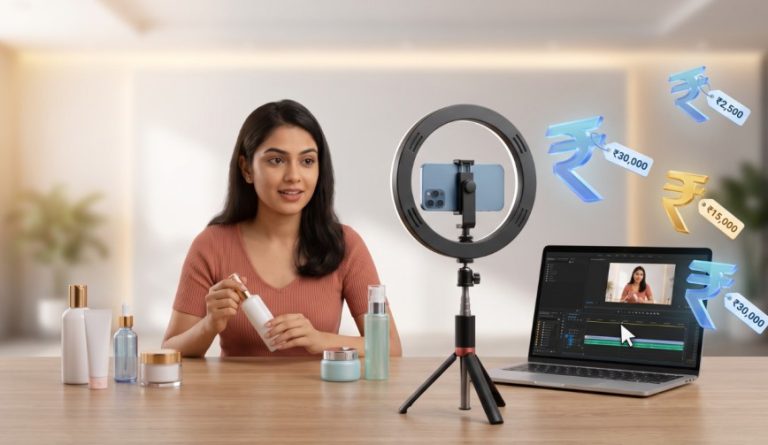
Creator ads are ads made by influencers or digital creators in their own style. These are usually shot using mobile phones or basic cameras, in real environments like homes, offices, cafes, or outdoors.
The biggest strength of creator ads is authenticity. Authenticity means the content feels real and natural, not scripted or forced. Audiences trust creators because they feel like real people, not brands trying to sell something.
Creator ads work best when:
The product needs trust before purchase
The audience is young or active on social media
The goal is engagement, app installs, or quick testing
Speed matters more than perfection
However, creator ads are not meant to look flawless. Expecting cinematic quality from a creator is where brands often go wrong.
👉 Click here to see how Boss Wallah works with brands and what we can build for you
Understanding Studio Ads Clearly
Studio ads are professionally produced ads made with planned scripts, professional cameras, lighting, sound, sets, and post-production editing. These ads go through multiple levels of approval and are designed to look polished and consistent.
The biggest strength of studio ads is brand control. Brand control means the message, visuals, tone, and identity remain exactly how the brand wants.
Studio ads work best when:
The brand wants a premium or trusted image
The campaign is long-term
The ad will run on TV, OTT, or YouTube
Product features need a clear explanation
Studio ads are not built for quick trends or rapid changes. They are built for stability and scale.
Where Indian Brands Usually Get It Wrong
1. Treating Creator Ads Like Mini Studio Ads
Many brands hire creators and then send long brand guidelines, exact scripts, and strict visual instructions. This removes the creator’s natural style.
When creators sound like brand brochures, audiences stop listening. Performance drops because the content no longer feels genuine.
The right approach is to guide creators on messaging, not control their personality.
2. Using Studio Ads for Short-Term Performance Goals
Studio ads are often used even when the goal is immediate sales or short-term offers. Brands expect instant results because the ad looks expensive.
In reality, studio ads usually need repetition and time to build impact. They are better at awareness than impulse conversion.
For quick sales pushes, creator ads often perform better because they feel like recommendations, not advertisements.
3. Comparing Cost Without Comparing Purpose
Creators are cheaper, studios are expensive. This leads brands to judge performance only by cost.
But cost without context is misleading.
A creator ad may give high engagement but limited brand recall. A studio ad may give strong recall but slower conversions. Both have value if used for the right purpose.
The mistake is expecting both to deliver the same outcome.
4. Ignoring Platform Behaviour
Each platform has its own content behaviour.
Short-form platforms like Instagram Reels and YouTube Shorts prefer natural, fast-paced content. Creator ads blend in better here.
Long-form platforms like YouTube, OTT, and TV favour structured and polished storytelling. Studio ads perform better in these spaces.
Running the wrong format on the wrong platform makes even a good ad fail.
5. Believing One Format Is Enough
Some brands depend only on creators. Others depend only on studio ads. Both approaches limit growth.
Creators help test ideas quickly. Studios help scale ideas professionally. Smart brands use creators to learn and studios to amplify.
Advertising works best when formats support each other, not replace each other.
A Practical Decision Framework for Brands

( Source – xica.net )
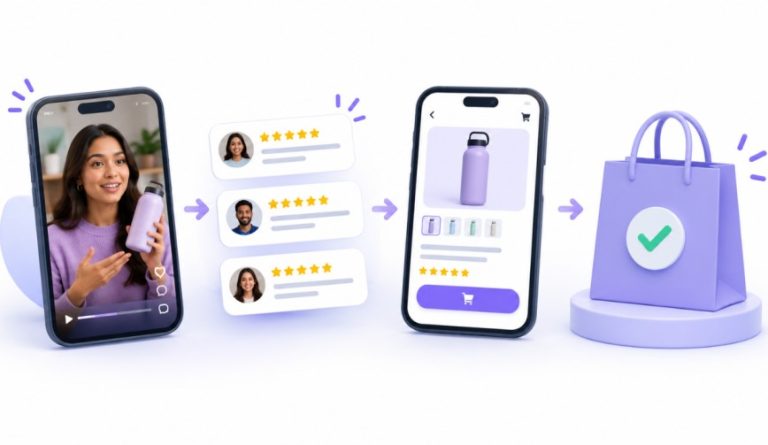
Before choosing between creator ads and studio ads, brands should answer these questions honestly:
Is my goal trust and relatability, or brand image and consistency
Do I need results quickly or over time
Will this ad live mostly on social media or premium platforms
Am I testing a message or scaling a proven one
Clear answers lead to better decisions and fewer disappointments.
Need Videos, Creators, or Regional Content for Your Brand?
Boss Wallah helps brands plan and execute video content at scale, without managing multiple vendors.
We work with companies to:
- Shoot large volumes of short-form videos using real creators and studio setups, suitable for social media, websites, campaigns, and launches
- Adapt the same videos for different languages, regions, and platforms, so one shoot works across India and global markets
- Launch products or campaigns through dozens or hundreds of creators, all managed, tracked, and reported in one system
- Support brands with ongoing content, launches, regional expansion, and performance-focused campaigns
Whether you need videos for a new launch, content for multiple markets, creator-led visibility, or a steady content pipeline, Boss Wallah acts as a single partner handling production, creators, and execution end-to-end.
👉 Click here to see how Boss Wallah works with brands and what we can build for you
Final Thoughts
Creator’s ads and studio ads are tools, not shortcuts. Indian brands often struggle because they chase trends instead of strategy.
Creators bring speed, trust, and relatability. Studios bring structure, scale, and credibility. When brands understand this balance, advertising becomes more effective and far less frustrating.
The right choice is not creators or studios. The right choice is knowing when to use which.