How to Improve Ad Performance Using Videos: From Script to Screen for Better Results
If you have ever run an online advertisement and wondered why people are not clicking, watching, or buying, you are not alone. Many businesses create ads but forget that attention on the internet is very short. People scroll quickly, and only a few ads manage to stop that scroll.
This is where video advertising becomes powerful. Videos can tell a story, show a product in action, and build trust within seconds. But simply uploading a video ad is not enough. To truly succeed, you must understand how to improve ad performance using videos from the planning stage to the final upload.
Why Video Ads Perform Better Than Regular Ads

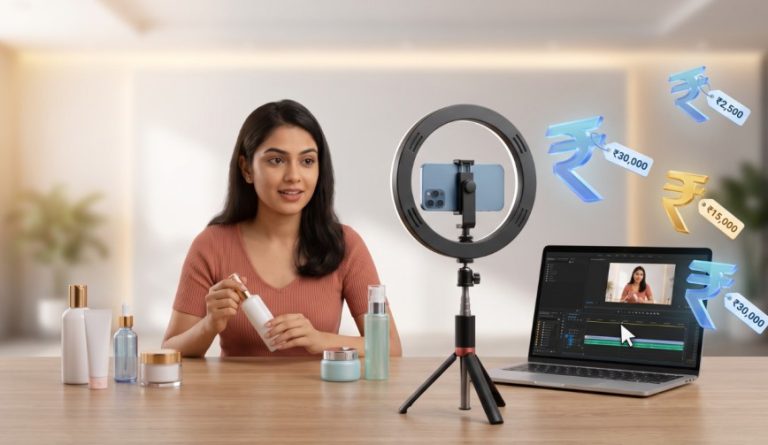
( Source – freepik.com )
Before learning how to improve ad performance using videos, it is important to understand why videos work well.
Videos combine visuals, sound, and storytelling. This combination makes it easier for viewers to understand a message quickly.
Some reasons video ads perform better include:
They grab attention faster than static images
They explain products clearly in a short time
They create an emotional connection with viewers
They increase engagement, such as likes, comments, and shares
Platforms like social media and video platforms also promote video content more because it keeps users active on the platform longer.
👉 Click here to see how Boss Wallah works with brands and what we can build for you
Step 1: Start With a Clear Objective
Every successful video ad begins with a clear goal. Without a goal, your ad may look good but fail to deliver results.
Ask yourself:
Do you want more website visits?
Do you want people to buy a product?
Do you want brand awareness?
Your objective will guide the entire video creation process.
For example, if your goal is sales, the video should clearly show the product and its benefits. If the goal is awareness, the focus should be on storytelling and brand identity.
Clear objectives help improve video advertising performance because they keep the message focused.
Step 2: Write a Simple but Strong Script
A script is the written plan for your video. It includes what will be said and what will appear on screen.
Many ads fail because they start with slow introductions. In online advertising, the first few seconds are critical.
A good script should:
Capture attention within the first three seconds
Clearly explain the problem and solution
Show how the product helps
End with a clear action for the viewer
For example, instead of starting with a company introduction, start with a relatable problem.
This approach keeps viewers watching longer, which improves video ad engagement.
ALSO READ | How to Improve Ad Performance Using Videos: 10 Simple Techniques That Actually Work.
Step 3: Focus on the First Three Seconds
In digital advertising, the first three seconds decide whether a viewer continues watching or scrolls away.
These seconds are often called the “hook”.
A hook can be:
A surprising statement
A common problem people face
A visually interesting scene
A question that sparks curiosity
Example:
Instead of saying, “Welcome to our product demo,” you could say, “Still struggling to grow your online sales?”
A strong hook is one of the most effective ways to improve ad performance using videos.
Step 4: Show the Product in Action
Many ads talk about products but never actually show them working.
Video ads perform better when viewers can see how a product solves a problem.
This means:
Show how the product is used
Demonstrate key features
Highlight real benefits
When viewers clearly see how a product works, they feel more confident about buying it.
This strategy increases conversion rates, which means more viewers turn into customers.
Step 5: Keep the Video Short and Focused
Long videos often lose attention quickly. Most successful ads are short and direct.
For most platforms:
15 to 30 seconds works well for ads
Shorter videos perform better on social media
Longer videos can work for product explanations
Short videos are easier to watch completely. High completion rates signal to advertising platforms that the content is engaging, which can improve ad reach.
Step 6: Add Clear Text on Screen
Many people watch videos without sound, especially on social media.
If your message depends only on voice, viewers may miss important information.
Adding text on screen helps by:
Reinforcing the main message
Making the ad understandable without sound
Highlighting key benefits
Simple captions or short phrases can make a big difference in how viewers understand the ad.
Step 7: Use Real People or Relatable Stories
People connect with people more than products.
When viewers see real customers or relatable situations, they trust the message more.
Examples include:
Customer testimonials
Real-life usage examples
Short storytelling scenarios
This method builds credibility and improves viewer engagement.
Story-based ads often perform better because they feel less like advertisements and more like helpful content.
Step 8: End With a Clear Call to Action
A call to action tells viewers what to do next.
Without a call to action, viewers may enjoy the video but take no action.
Examples include:
Visit our website
Try it today
Sign up for free
Learn more
The call to action should be simple and visible on screen.
This step directly impacts video ad conversion rates.
Step 9: Test Different Video Versions
Even the best marketers cannot predict exactly which ad will perform best.
This is why testing is important.
Create different versions of your video ad by changing:
The opening hook
The script
The visuals
The call to action
Run these versions and compare performance.
This process is called A/B testing. It helps advertisers identify which video delivers better results.
ALSO READ | Performance Marketing Creatives in India: What Works for Indian Audiences.
Step 10: Track the Right Performance Metrics
To understand how to improve ad performance using videos, you must measure results.
Important metrics include:
View rate: percentage of people who watch the video
Watch time: how long viewers stay engaged
Click-through rate: percentage of viewers who click the ad
Conversion rate: percentage of viewers who take the desired action
Tracking these metrics helps you improve future video campaigns.
Common Mistakes That Reduce Video Ad Performance

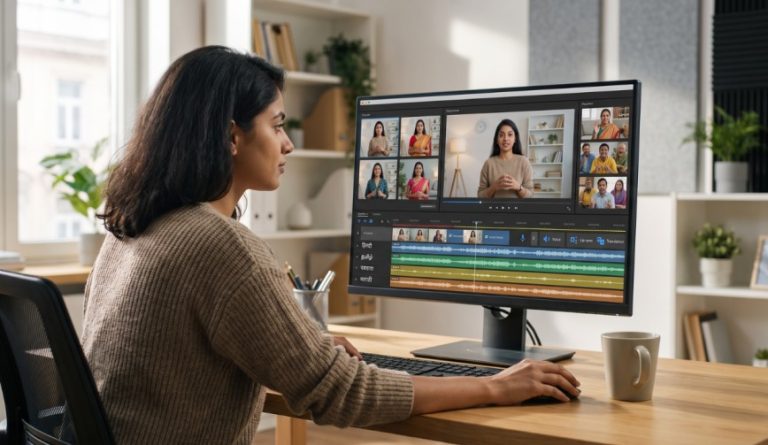
( Source – freepik.com )
Even well-produced videos can fail if common mistakes are made.
Some examples include:
Starting the video too slowly
Focusing too much on brand promotion
Not showing the product clearly
Forgetting a call to action
Avoiding these mistakes can significantly improve video advertising results.
Need Videos, Creators, or Regional Content for Your Brand?
Boss Wallah helps brands plan and execute video content at scale, without managing multiple vendors.
We work with companies to:
- Shoot large volumes of short-form videos using real creators and studio setups, suitable for social media, websites, campaigns, and launches
- Adapt the same videos for different languages, regions, and platforms, so one shoot works across India and global markets
- Launch products or campaigns through dozens or hundreds of creators, all managed, tracked, and reported in one system
- Support brands with ongoing content, launches, regional expansion, and performance-focused campaigns
Whether you need videos for a new launch, content for multiple markets, creator-led visibility, or a steady content pipeline, Boss Wallah acts as a single partner handling production, creators, and execution end-to-end.
👉 Click here to see how Boss Wallah works with brands and what we can build for you
Final Thoughts
Learning how to improve ad performance using videos is not about creating expensive productions. It is about clear messaging, strong storytelling, and understanding viewer behaviour.
When businesses plan their video ads carefully from script to screen, they create content that attracts attention, communicates value, and encourages action.
The most successful video ads are simple, clear, and focused on helping the viewer understand why the product matters.
With the right strategy, video advertising can become one of the most powerful tools for improving marketing results.
FAQs
1. Why are video ads more effective than image ads?
Video ads combine visuals, sound, and storytelling, which helps communicate information quickly and keeps viewers engaged longer than static images.
2. What is the ideal length for a video advertisement?
Most effective video ads are between 15 and 30 seconds long. Shorter videos usually perform better on social media platforms.
3. What is a hook in video advertising?
A hook is the opening part of a video designed to grab attention quickly. It usually appears within the first three seconds and encourages viewers to keep watching.
4. Do video ads need subtitles?
Yes. Many viewers watch videos without sound, so subtitles or on-screen text help communicate the message clearly.
5. How can businesses test video ad performance?
Businesses can use A/B testing by creating multiple versions of a video ad with different hooks, visuals, or messages. By comparing results, they can identify which version performs best.