AI Product Recommendations: How AI Predicts What Customers Want to Buy Next

Have you ever browsed an online store for a pair of shoes and noticed suggestions for socks, sportswear, or a bag that matches your style? It almost feels like the store knows you. This is where AI product recommendations come in. They help businesses understand customer interests and suggest products people may want to buy next. AI cannot read minds, but it can learn from shopping habits and make useful predictions.
What Are AI Product Recommendations?
(Source – OpenAI)
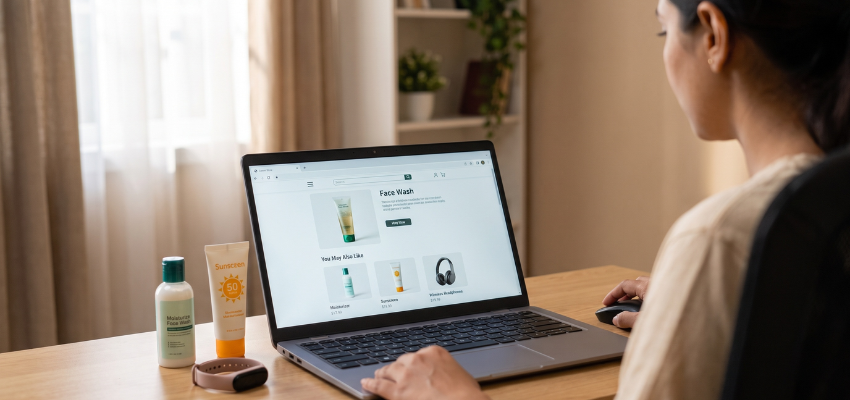
AI product recommendations use artificial intelligence to suggest products based on customer behaviour, interests, and previous purchases.
For example, if someone regularly buys skincare products, an online store might recommend a moisturiser or sunscreen. If a customer often shops for fitness equipment, the store may suggest workout accessories.
These suggestions are not random guesses. AI studies information such as:
- Browsing history
- Previous purchases
- Product searches
- Items added to shopping carts
This approach is also known as AI-powered product recommendations. It helps businesses show customers products that match their needs instead of making them scroll through hundreds of options.
👉Click here to see how Boss Wallah works with brands and what we can build for you
How Does AI Predict What Customers Want to Buy Next?
AI makes predictions by studying how customers behave while shopping online. Here are four common ways it works.
1. Learning From Previous Purchases
AI studies what customers have bought before to understand their preferences.
For example, someone who regularly buys coffee beans might receive recommendations for a coffee grinder or a new coffee blend. These suggestions become more useful when the system identifies repeated buying habits.
However, previous purchases do not guarantee future purchases. Someone who bought a birthday gift last week may not need another one this week.
2. Understanding Browsing Behaviour
Customers often explore products without buying them immediately. They may compare prices, read reviews, or revisit the same product several times.
AI can use these actions to identify possible buying interests. This is where customer behaviour analysis helps online stores understand what shoppers might want.
For instance, if someone repeatedly checks running shoes, the store might suggest similar styles or related fitness products.
3. Finding Patterns Among Similar Customers
AI can identify customers who have similar shopping habits.
Suppose many people who buy a particular smartphone also purchase a screen protector. The system may recommend a screen protector to another customer buying the same phone.
This method supports personalised product recommendations by using shopping patterns to suggest relevant products.
4. Predicting What Customers May Need Next
Some purchases follow regular patterns. Customers may buy groceries every week, replace skincare products every month, or order pet food when their supplies run low.
AI can study these patterns to estimate when someone might need another product. This is known as predictive analytics in e-commerce, which uses past information to estimate future behaviour.
These predictions can be helpful, but they are not always correct. Customers may change their routines, try new brands, or decide they do not need another purchase.
Read More | How to Use AI Tools + Still Get Monetised on YouTube: Best Practices for 2026.
What Are the Benefits of AI Product Recommendations for Businesses?
AI product recommendations can make online shopping easier for customers while helping businesses improve their sales efforts.
1. A More Personal Shopping Experience
Customers do not want to search through every product to find something useful. Relevant suggestions help them discover products that match their interests.
A personalised experience can also make customers feel understood rather than treated like just another order number.
2. Better Product Discovery
Sometimes, customers do not know a product exists until they see it. AI can introduce shoppers to related items, alternative options, or products they may have overlooked.
This is particularly useful for online stores with large product collections.
3. More Opportunities for Sales
Businesses can recommend related products while customers browse, during checkout, or after a purchase.
For example, someone buying a laptop might also need:
- A mouse
- A laptop sleeve
- A laptop stand
When these suggestions are relevant and useful, e-commerce personalisation can encourage additional purchases without making the shopping experience feel pushy.
4. Stronger Customer Retention
When customers regularly find products they need, they may have more reasons to return to the same store.
Useful recommendations can support customer retention strategies by making repeat shopping easier. However, businesses still need good products, fair prices, and reliable service to keep customers coming back.
Can AI Always Predict What Customers Will Buy?
No. AI can identify patterns, but it cannot predict every customer decision correctly.
A customer might browse an expensive product for research without planning to buy it. Someone else might purchase a gift for another person, making their shopping history less useful for future recommendations.
Poor-quality data can also create problems. If an online store has incomplete or outdated customer information, its suggestions may not match customer interests.
Privacy matters too. Businesses should handle customer data responsibly, explain how it is used, and follow applicable data protection rules.
The best approach is to combine AI predictions with regular performance checks and customer feedback. If a recommendation keeps getting ignored, it may be time to change the suggestion.
How Can Businesses Use AI Product Recommendations Effectively?

(Source – OpenAI)
Businesses do not need to recommend every possible product to every customer. A few practical steps can make the process more useful.
- Set clear goals: Decide whether recommendations should improve product discovery, increase repeat purchases, or encourage related-product sales.
- Use relevant data: Study purchase history, browsing behaviour, and product preferences where appropriate and permitted.
- Keep suggestions useful: Recommend products that match customer needs instead of showing unrelated items.
- Test different recommendations: Compare which suggestions attract clicks and lead to purchases.
- Review performance regularly: Track conversion rates, average order value, and customer feedback to understand what is working.
The goal is not to show customers more products. It is to help them find the right products with less effort.
Read More | YouTube AI Monetisation Policy 2026: What Changes, What’s Allowed and What’s Banned.
Need Videos, Creators, or Regional Content for Your Brand?
Boss Wallah helps brands plan and execute video content at scale, without managing multiple vendors.
We work with companies to:
- Shoot large volumes of short-form videos using real creators and studio setups, suitable for social media, websites, campaigns, and launches
- Adapt the same videos for different languages, regions, and platforms, so one shoot works across India and global markets
- Launch products or campaigns through dozens or hundreds of creators, all managed, tracked, and reported in one system
- Support brands with ongoing content, launches, regional expansion, and performance-focused campaigns
Whether you need videos for a new launch, content for multiple markets, creator-led visibility, or a steady content pipeline, Boss Wallah acts as a single partner handling production, creators, and execution end-to-end.
👉Click here to see how Boss Wallah works with brands and what we can build for you
Final Thoughts
AI product recommendations are changing how businesses connect customers with products they may want to buy. By studying shopping habits and identifying patterns, AI can make product discovery faster and the shopping experience more personal.
However, the accuracy of these predictions depends on the quality of the information behind them. Businesses need reliable data, relevant suggestions, and respect for customer privacy.
AI may not know exactly what a customer will buy tomorrow, but it can make an informed estimate. And when shopping online, a helpful suggestion is often better than another page of products nobody wants to scroll through.
Frequently Asked Questions
1. What Are AI Product Recommendations?
AI product recommendations use artificial intelligence to suggest products based on customer interests, browsing behaviour, and purchase history.
2. Can AI Predict What Customers Will Buy Next?
AI can estimate what customers may buy by identifying patterns in their shopping habits. However, these predictions are not always accurate.
3. How Do AI Product Recommendations Help Online Stores?
They help customers discover relevant products, improve shopping experiences, and create more opportunities for sales and repeat purchases.
4. What Data Does AI Use for Product Recommendations?
Depending on the system and customer permissions, AI may use purchase history, browsing activity, product searches, shopping cart data, and product preferences.
5. Are AI Product Recommendations Useful for Small Businesses?
Yes. Small businesses can use recommendation tools to suggest related products, personalise shopping experiences, and encourage repeat purchases without manually choosing every suggestion.