Crab Farming: How to Start, Setup Cost, Market, Profit & More
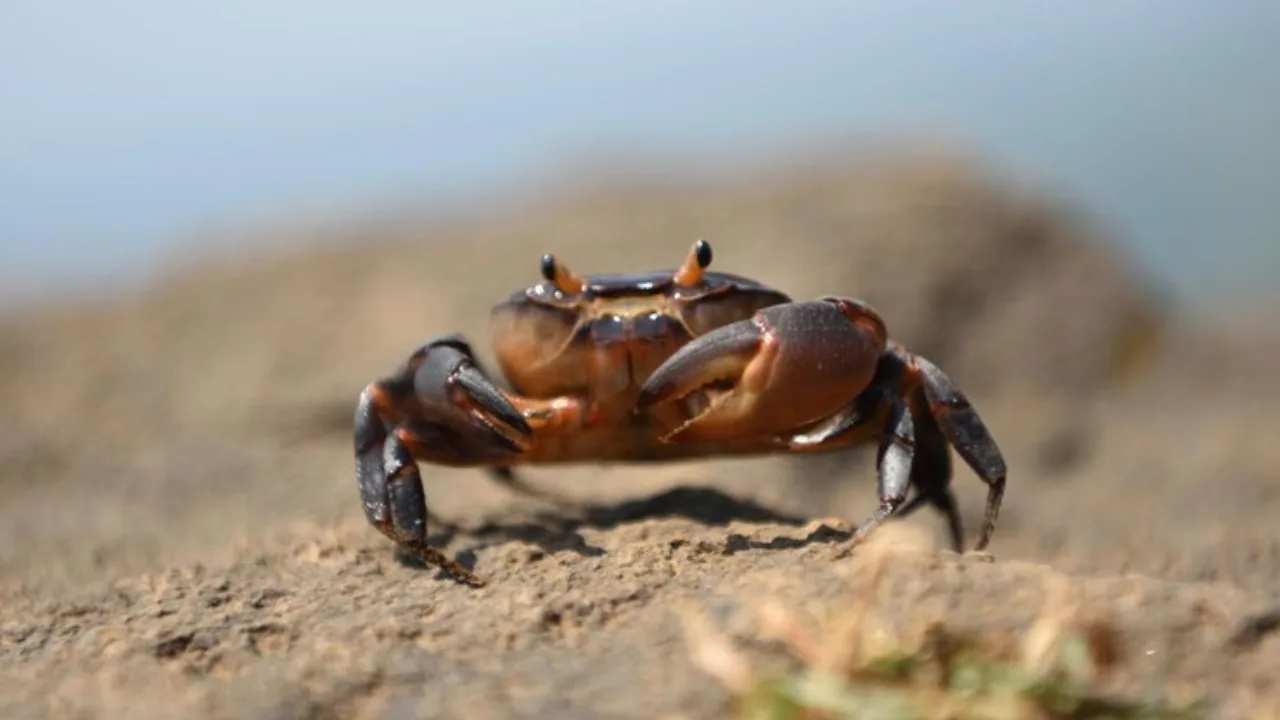
Table of contents
- What is Crab Farming?
- Why Start Crab Farming in India?
- Crab Farming in India: Industry Stats
- How to Start Crab Farming in India (Step-by-Step)
- Setup Cost for Crab Farming in India (Per Acre)
- Feeding & Maintenance
- Crab Harvesting & Sale
- Profit Margin in Crab Farming
- Byproducts & Multiple Income Streams
- Where is Crab Farming Done in India?
- Challenges in Crab Farming
- Useful Resources & Training
- Conclusion
- Frequently Asked Questions (FAQs)
Crab farming is emerging as a profitable aquaculture business in India, offering great returns with relatively low input costs. Thanks to growing seafood demand and India’s long coastline, crab farming is gaining popularity among coastal farmers and agri-entrepreneurs alike.
What is Crab Farming?

Crab farming involves the cultivation of crabs in controlled environments like ponds, cages, or tanks for commercial purposes. The most commonly farmed crab species in India include:
- Mud Crabs (Scylla serrata) – Highly valued in domestic and export markets.
- Blue Swimming Crabs (Portunus pelagicus) – Preferred for their taste and size.
- Mangrove Crabs – Grown in estuarine regions.
Why Start Crab Farming in India?
India’s 7,500+ km coastline and ample brackish water bodies provide perfect conditions for crab farming. Here’s why it’s a smart choice:
- High market demand – Both local and international.
- Fast growth rate – Crabs grow large in 4–6 months.
- High profit margins – Low input, high output model.
- Minimal land requirement – Even small farms can be profitable.
- Export potential – Especially to Southeast Asia, the Gulf, and Europe.
Crab Farming in India: Industry Stats
| Factor | Data |
|---|---|
| Global crab market size | $5.65 billion (2024) |
| India’s export share | ₹850 crore+ annually |
| Common states for crab farming | Tamil Nadu, Kerala, Andhra Pradesh, Odisha, West Bengal |
| Avg. selling price per kg | ₹400–₹1,200 (depending on species & size) |
💡 Pro Tip: If you want to start a Business but have too many doubts, connect with a Business expert from Boss Wallah for guidance – Check Out
How to Start Crab Farming in India (Step-by-Step)
Step 1: Select Suitable Land or Water Source
- Coastal, brackish water zones preferred.
- Access to clean water (salinity 15–30 ppt).
- Locations: Backwaters, estuaries, or converted shrimp ponds.
Step 2: Choose the Farming Method
| Method | Description | Suitability |
|---|---|---|
| Pond Farming | Crabs grown in earthen/brackish ponds | Coastal areas |
| Cage Farming | Cages placed in water bodies | Rivers, estuaries |
| Pen Culture | Semi-enclosed nets in shallow areas | Mud crab farming |
| Tank/RAS | Crabs raised in tanks with water circulation | Urban/peri-urban |
Step 3: Species Selection
- Mud Crab (Scylla serrata) – Most profitable, used for fattening and farming.
- Blue Swimming Crab – Preferred in Andhra Pradesh.
Step 4: Build Infrastructure
- Pond Preparation: 0.1–1 acre size, depth of 1–1.5 m.
- Fencing to prevent crab escape.
- Shelters or hideouts made of bamboo or PVC.
- Water inlet/outlet system for flow control.
ALSO READ | Pearl Farming: How to Start, Challenges, Profit & More
Setup Cost for Crab Farming in India (Per Acre)
| Component | Estimated Cost |
|---|---|
| Land lease | ₹20,000–₹40,000 |
| Pond construction | ₹50,000–₹80,000 |
| Seed (crablets) | ₹1,00,000 (for 5,000 seeds @ ₹20 each) |
| Feed | ₹60,000 |
| Labor | ₹30,000 |
| Miscellaneous | ₹20,000 |
| Total | ₹2,80,000 – ₹3,30,000 |
Note: Cost may vary by location and scale.
Feeding & Maintenance
- Feed twice daily with fish waste, clams, or formulated feed.
- Crabs are cannibalistic – provide enough hideouts.
- Water should be exchanged every 7–10 days.
- Maintain pH (7.5–8.5) and dissolved oxygen (>5 ppm).
Crab Harvesting & Sale
- Harvest time: 4–6 months (300–500 grams).
- Harvesting: Done manually or with traps.
- Sell to: Local seafood markets, exporters, restaurants, and online seafood platforms like Licious or FreshToHome.
Profit Margin in Crab Farming
| Particulars | Value |
|---|---|
| Investment (per cycle) | ₹3,00,000 |
| Yield (4000 kg/acre approx.) | ₹4,00,000 – ₹5,00,000 |
| Net Profit (approx.) | ₹1,00,000 – ₹2,00,000 |
| ROI Time | 6 months |
🔹 High demand + Low mortality = Sustainable profits
ALSO READ | Biofloc Fish Farming: Technology, Investment, Profit Margin & More
Byproducts & Multiple Income Streams

- Crab Shell Waste: Used in chitosan production (pharmaceuticals).
- Live crab exports: High-value market.
- Crab fattening: Quick turnover in 30–45 days.
Where is Crab Farming Done in India?
Top Crab Farming States:
- Tamil Nadu (Nagapattinam, Ramanathapuram)
- Kerala (Kollam, Alappuzha)
- Odisha (Chilika, Kendrapara)
- Andhra Pradesh (Krishna, East Godavari)
- West Bengal (Sundarbans)
Challenges in Crab Farming

- Cannibalism & escape behaviour.
- Seasonal seed availability.
- Disease outbreaks in high-density farming.
- Transportation logistics for live crabs.
Tip: Start with a small-scale pilot farm, then scale up.
Useful Resources & Training
- Central Institute of Brackishwater Aquaculture (CIBA) – ciba.res.in
- NFDB India – nfdb.gov.in
- State fisheries departments (Tamil Nadu, Odisha, Andhra Pradesh)
Need Expert Guidance?
Starting a business can be challenging, but you don’t have to do it alone! At Boss Wallah, our 2,000+ business experts are ready to provide valuable insights and guidance. Whether you need help with marketing, finance, sourcing, or any other area of any business, our business experts are here to help you succeed
Confused about Which Business to Start?
Want to start your own business but unsure which one to choose? Explore Boss Wallah, where you’ll find 500+ courses by successful business owners, featuring practical, step-by-step guides on starting and growing various businesses.
Find your perfect business idea today
Conclusion
Crab farming in India offers a profitable, sustainable, and scalable business opportunity, especially in coastal regions. With rising domestic and global demand, proper management practices, and smart market access, entrepreneurs can make excellent profits in just a few months. It’s time to explore the blue revolution with crab farming!
Frequently Asked Questions (FAQs)
1. Is crab farming profitable in India?
Yes, it offers an ROI of ₹1–2 lakh per acre every 6 months.
2. What is the cost to start a crab farm?
Around ₹3 lakh per acre for the first cycle.
3. Which species is best for farming?
Mud Crab (Scylla serrata) is most preferred and profitable.
4. How long does it take to grow crabs?
4 to 6 months to reach marketable size.
5. Where can I sell crabs?
Local seafood markets, hotels, online platforms, and exporters.
6. What feed is used in crab farming?
Fish waste, molluscs, and commercial crab feeds.
7. What are the challenges in crab farming?
Cannibalism, disease, seed supply, and market linkage.
8. Can crab farming be done in tanks?
Yes, using Recirculating Aquaculture Systems (RAS).
9. Is a license required for crab farming?
Yes, from local fisheries or coastal aquaculture authorities.
10. Can inland farmers also do crab farming?
With controlled tank systems (RAS), yes.