How to Check if a Channel Is Monetised and What It Means for Brands
Let us be honest for a moment.
Whenever a brand looks at a YouTube channel for collaboration, one question quietly comes to mind before anything else.
“Is this channel actually monetised, or is it just uploading videos for fun?”
Channel monetisation has become an important signal not just for creators, but also for brands, agencies, and marketers. It helps brands quickly understand whether a creator is serious, consistent, and ready for professional partnerships.
The problem is simple.
YouTube does not clearly show whether a channel is monetised or not.
So how do you check it without paid tools or complicated analysis?
And more importantly, what does monetisation really tell brands about a creator?
Let us break it down step by step.
What Does Monetisation Mean on YouTube?

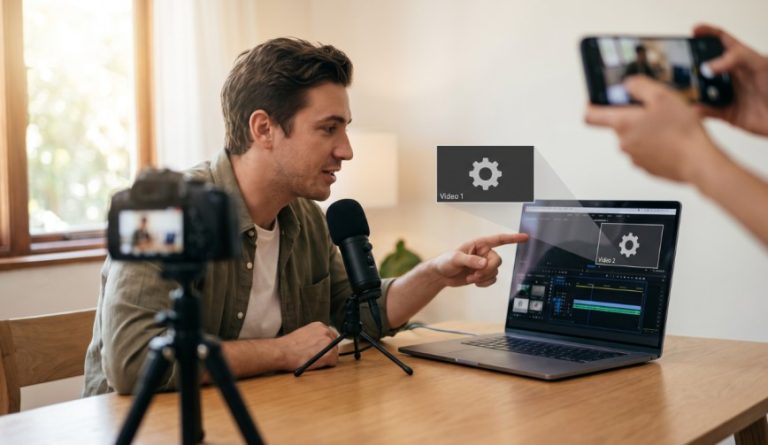
( Source – freepik.com )
When a YouTube channel is monetised, it means YouTube has allowed the creator to earn money directly from the platform.
This money usually comes from ads that appear:
Before a video starts
In the middle of longer videos
Sometimes, after a video ends
In simple words, YouTube is saying, “Your content follows our rules, people watch it, and advertisers are comfortable placing ads on it.”
To become monetised, a channel usually needs:
At least 1,000 subscribers
4,000 public watch hours in the last 12 months, or 10 million Shorts views in 90 days
Content that follows YouTube’s community and advertiser guidelines
Once approved, the creator joins the YouTube Partner Program and can start earning ad revenue.
👉 Click here to see how Boss Wallah works with brands and what we can build for you
Why Monetisation Matters to Brands
For brands, monetisation is not just about how much money a creator earns.
It often indicates:
The creator uploads content consistently
The channel has a minimum level of audience trust
The content is considered advertiser-friendly by YouTube
The creator understands basic platform rules and professionalism
This does not mean that non-monetised channels are not valuable. Many small creators have strong engagement and loyal audiences. However, monetisation gives brands a quick way to filter out inactive or low-effort channels.
Think of monetisation as a quality checkpoint, not a success guarantee.
ALSO READ | How to Check if a YouTube Channel Is Monetised Without Any Tools.
How to Check if a Channel Is Monetised Without Using Any Tools
You do not need paid software or analytics platforms to get a fairly accurate idea. Careful observation is often enough.
1. Check for Ads on Videos
The most obvious sign is the presence of ads.
Open a few videos from the channel and observe:
Does an ad play before the video?
Are there ads in the middle of longer videos?
If ads appear regularly, the channel is likely monetised.
However, there is an important detail to remember.
YouTube may sometimes show ads even on non-monetised channels. In those cases, the creator does not earn money from them.
So ads alone are a clue, not final proof.
2. Watch Multiple Videos, Not Just One
Do not judge a channel based on a single video.
Check:
An older video
A recently uploaded video
A video longer than eight minutes
If ads appear consistently across different videos and time periods, the chances of monetisation are much higher.
Consistency is the key signal here.
3. Pay Attention to What the Creator Says
Creators often talk about monetisation openly.
Listen carefully in videos or check descriptions for lines such as:
“Thanks for supporting the channel through ads”
“This video is monetized”
“Getting monetised was a big milestone for me”
Many creators also mention monetisation during milestone celebrations or Q and A videos.
4. Explore the Community Tab
The Community tab can reveal a lot.
Creators frequently post updates about:
Monetization approval
Watch time goals
Thank-you messages after joining the Partner Program
If the channel uses the Community tab actively, scrolling through older posts can often answer your question.
5. Observe Upload Patterns and Content Structure
This is an indirect but useful indicator.
Monetised creators usually:
Upload on a regular schedule
Create longer, more structured videos
Include planned intros, outros, and calls to action
A channel with random uploads, inconsistent quality, or very short videos may still be working towards monetisation.
Common YouTube Terms Explained in Simple Language
Here are a few words brands often hear during creator discussions.
| Term | Simple Explanation |
|---|---|
| Monetization | YouTube’s permission for a creator to earn money from ads shown on their videos. |
| Watch Time | The total amount of time viewers spend watching all videos on a channel. |
| Mid-roll Ads | Ads that appear in the middle of longer videos. Only monetised creators can control and place these ads. |
| CPM | Cost per thousand views. It shows how much advertisers pay to display ads on a video. |
Understanding these terms helps brands communicate better with creators.
What Monetisation Really Tells Brands
A monetised channel usually means:
The creator is committed to the long term
The content meets YouTube’s advertiser standards
The channel has crossed basic growth and consistency benchmarks
However, monetisation does not automatically guarantee:
High engagement
Strong influence
Good brand alignment
Some monetised channels have low interaction, while some non-monetised creators have highly engaged niche audiences.
This is why brands should always look beyond monetisation.
Should Brands Work Only With Monetised Creators?

( Source – freepik.com )
The short answer is no.
Smart brands use a balanced approach:
Monetised creators for stability and reach
Growing creators for authenticity and deeper audience connection
In many cases, a small creator with a loyal audience can deliver better results than a large but disconnected channel.
Follower count and monetisation status matter, but audience trust matters more.
ALSO READ | How YouTubers Are Earning Alternative Income Through Sponsorships.
Need Videos, Creators, or Regional Content for Your Brand?
Boss Wallah helps brands plan and execute video content at scale, without managing multiple vendors.
We work with companies to:
- Shoot large volumes of short-form videos using real creators and studio setups, suitable for social media, websites, campaigns, and launches
- Adapt the same videos for different languages, regions, and platforms, so one shoot works across India and global markets
- Launch products or campaigns through dozens or hundreds of creators, all managed, tracked, and reported in one system
- Support brands with ongoing content, launches, regional expansion, and performance-focused campaigns
Whether you need videos for a new launch, content for multiple markets, creator-led visibility, or a steady content pipeline, Boss Wallah acts as a single partner handling production, creators, and execution end-to-end.
👉 Click here to see how Boss Wallah works with brands and what we can build for you
Final Thoughts
Checking whether a YouTube channel is monetised is not difficult once you know what to look for. Ads, creator statements, upload patterns, and community updates together give a clear picture.
For brands, monetisation is a helpful starting point, not a final decision-making factor. It shows that a creator has reached a certain level of consistency and platform trust. But real brand success depends on relevance, engagement, and audience connection.
Before choosing a creator, do not stop at asking, “Is this channel monetised?”
Also ask, “Does this creator truly influence the audience I want to reach?”
That answer will always be more valuable.