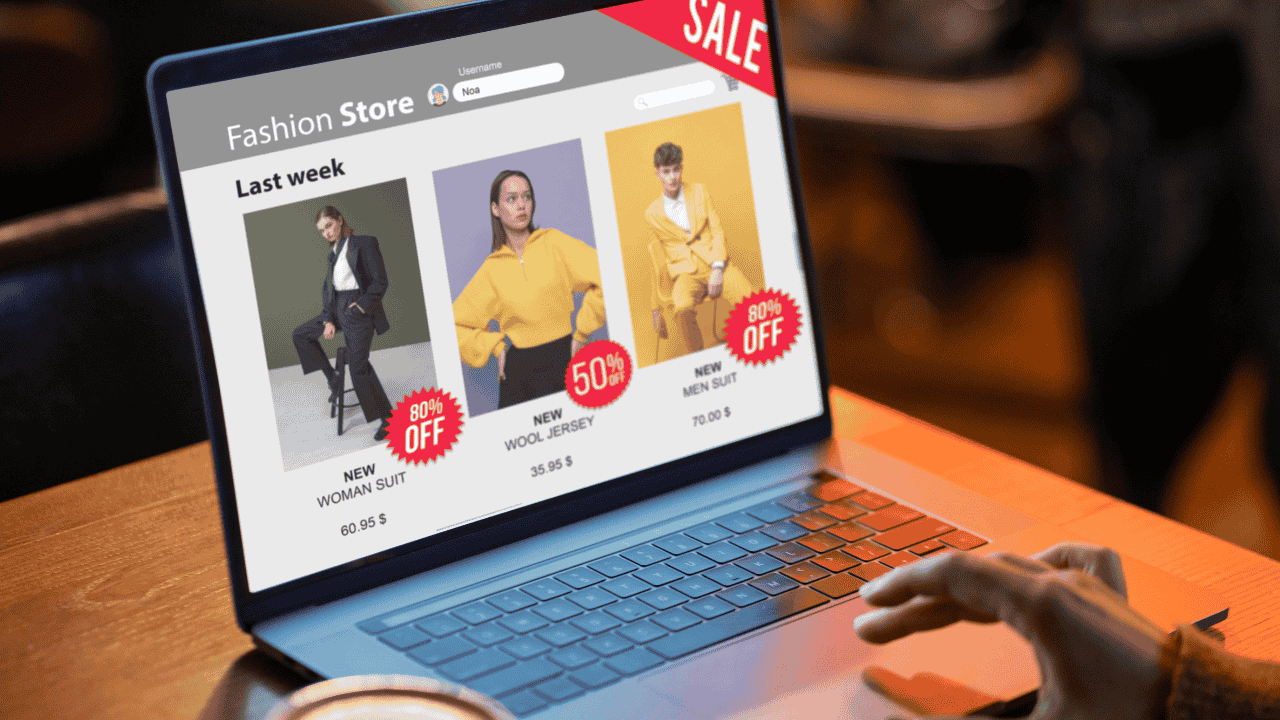
If there is one thing brands are realising quickly, it is this: E-commerce video ads are no longer optional. They are what decide whether a customer keeps scrolling or actually stops to buy. In a world where attention spans are shorter than a blink, video ads have to do two jobs at once. They must grab attention instantly and quietly push the viewer towards a purchase. This is where many ads fail and where the right agency makes all the difference.
Let us talk about what actually works and what agencies must get right when creating e-commerce video ads for brands.
Selling While Scrolling Is a Real Skill
People do not open Instagram or YouTube to shop. They open it to relax, laugh, or kill time. Your ad is an uninvited guest in that moment. If it looks like an obvious ad, the thumb moves up instantly.
Good e-commerce video ads blend into the feed. They feel natural. They look like content first and advertising second. This does not mean hiding the product. It means showing the product in a way that feels useful or interesting.
For example, instead of shouting “50 percent off today”, a better approach is showing how the product solves a small, everyday problem in the first three seconds. Once the viewer relates, selling becomes easier.
E-commerce Video Ads That Sell While You Scroll Start With the Hook
Yes, the phrase Ecommerce Video Ads deserves a subheading of its own because this is where most brands lose money.
The hook is simply the opening few seconds of the video. It decides everything. A hook can be a question, a visual surprise, or a relatable situation. It cannot be a logo animation or a long brand intro. No one has the patience for that anymore.
Agencies must focus on hooks that are platform-friendly. What works on YouTube Shorts may not work on Instagram Reels. The idea is to stop the scroll without annoying the viewer. That balance is an art.
Check Out
Boss Wallah Studios empowers entrepreneurs and brands to produce high-quality content with ease
Clear Message Beats Clever Ideas

(Source – Freepik)
Many ads try too hard to be smart. They use complex concepts, heavy storytelling, or inside jokes. While creativity is important, clarity matters more.
If a viewer cannot understand what the product is or why it matters within the first few seconds, the ad has already failed.
This is where jargon needs to be avoided. For example, saying “AI-powered fabric technology” means nothing to most people. Saying “keeps you cool even in peak summer” makes instant sense. Simple language sells better than fancy words.
ALSO READ | Facebook Ad Video Production Cost in India: What Brands Are Really Paying
Show the Product in Action
This sounds obvious, yet it is often ignored. E-commerce video ads work best when the product is seen being used.
People want proof, not promises. They want to see how a bag fits, how a mixer works, or how fast a delivery arrives. Static visuals or over-edited shots do not build trust.
Agencies should focus on real usage shots, close-ups, and clear demonstrations. Even basic phone-style footage can outperform high-budget ads if it feels real.
Design for Sound Off Viewing
Most people scroll with their sound off. This means your ad must work without audio.
Text overlays become crucial here. But there is a catch. Too much text kills the experience. The key is short, readable lines that support the visual, not replace it.
Think of text as signboards on a highway. They should be visible, quick to read, and impossible to miss.
Strong Call to Action Without Shouting

(Source – Freepik)
A call to action simply means telling the viewer what to do next. For example, “Shop now” or “Swipe to buy”.
Many ads either forget this or overdo it. Repeating “buy now” five times does not increase sales. It increases irritation.
A good ecommerce video ad nudges, not nags. One clear call to action at the right moment is enough.
ALSO READ | How Facebook Ad Video Production Actually Works Inside a Professional Studio.
Performance Matters More Than Likes
This is where brands often get distracted. A video getting likes does not always mean it is selling.
Agencies must focus on performance metrics like clicks, conversions, and cost per sale. These numbers decide business outcomes, not comments or shares.
Sometimes, the most boring-looking ad is the one that sells the most. Data should guide creative decisions, not ego.
Consistency Beats One Viral Hit
Many brands chase the dream of a viral ad. While virality is nice, it is unpredictable and unreliable.
What works better is consistent testing and scaling. This means creating multiple versions of ads, testing different hooks, visuals, and messages, and then scaling what works.
Agencies with in-house production and a clear content system have an advantage here. They can produce at speed without burning out the brand team.
Check Out
BossWallah enables you to create, optimise, and grow social media video channels effortlessly from scratch
Why Brands Should Work With the Right Video Partner
E-commerce video ads are not just about shooting videos. They involve understanding platforms, consumer behaviour, performance data, and production workflows.
Brands benefit most when they work with a partner who understands both creativity and commerce. Someone who knows how to sell without shouting and how to tell stories without wasting time.
In a scroll-heavy world, the brands that win are the ones whose ads feel less like ads and more like content worth watching.
And when e-commerce video ads are done right, selling while you scroll stops being a challenge and starts becoming a habit.