Multi-Lingual Mandate: Why India’s Next 100M Internet Users Require a Regional-First Content Architecture
Most creators and brands are still building content as if India were a single-language audience. English here, a bit of Hindi there, and maybe subtitles if someone remembers them at the end of editing.
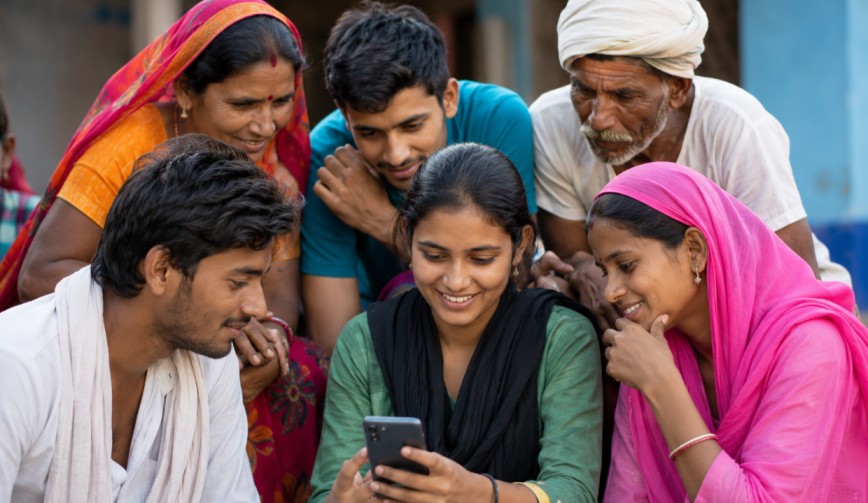
But India’s internet story is changing fast. The next 100 million users are not waiting for English content to become easier. They are coming online in their own languages, on their own terms.
This is where a strong multilingual content strategy India becomes less of a “nice idea” and more of a survival skill.
Let’s break this down in a simple way.
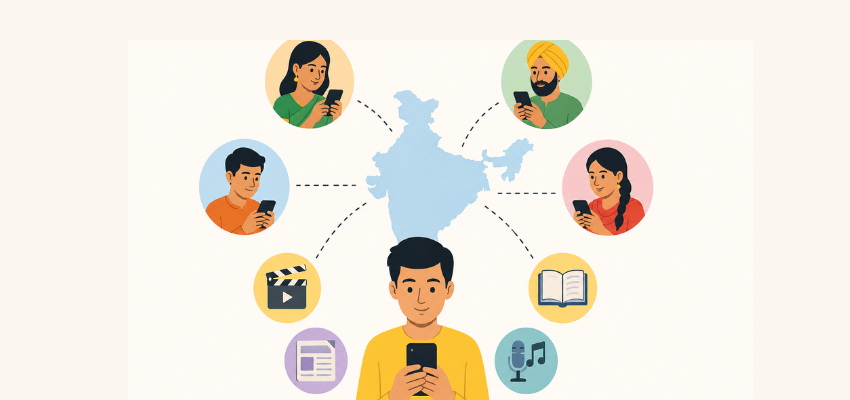
What “Regional-First Content Architecture” Actually Means
(Source – OpenAI)
Let’s decode this fancy phrase.
- Regional-first means you design content for regional languages first, not as an afterthought
- Content architecture simply means how your content is planned, structured, and distributed
So in simple words, you are building content that starts with local languages, not English-first content that gets translated later.
This is the backbone of a scalable multilingual content strategy in India.
👉Click here to see how Boss Wallah works with brands and what we can build for you
Why the Next 100 Million Users Change Everything
India’s internet growth is no longer coming only from metro cities.
It is coming from:
- Tier 2 cities
- Tier 3 towns
- Rural mobile users
- First-time internet users
And most of them:
- Prefer regional languages
- Watch content more than they read
- Engage better when content feels familiar
Here is the reality check: If your content only works in English, you are not just limiting reach; you are limiting relevance.
The Biggest Mistake Creators and Brands Make
Most creators think adding subtitles is enough.
It is not.
Jargon explained:
- Subtitles are text translations shown on screen
- Localisation means adapting content to match the language, culture, tone, and habits of a specific audience
A proper multilingual content strategy in India is about localisation, not just subtitles.
Why English-First Thinking Is Slowly Breaking
English-first content worked when internet users were mostly urban and English-friendly.
But now:
- Regional language users are growing faster
- Short-form video consumption is exploding in local languages
- Voice search in regional languages is increasing
So when brands stay stuck in English-first thinking, they unintentionally reduce their reach.
It is like opening a shop but only putting a signboard in one language and hoping everyone understands it.
Read More | How Content Creator Jobs Are Replacing Traditional Marketing Roles.
What a Strong Multilingual Content Strategy India Looks Like
Let’s make it practical.
1. Content is planned in regional languages first
Instead of writing in English and translating later, start with:
- Hindi
- Tamil
- Telugu
- Kannada
- Bengali
Pick based on your audience.
2. Separate content versions for each language
Do not mix languages in one post.
Better approach:
- One idea
- Multiple language versions
- Same message, different delivery
This improves clarity and engagement.
3. Cultural tone is prioritised over direct translation
People do not just consume words. They consume context.
For example:
- A business tip in English may need a more conversational tone in Hindi
- A motivational message may need a stronger emotional expression in Tamil or Telugu
This is where regional content marketing in India becomes powerful.
4. Platform algorithms reward clarity
Jargon explained:
- An algorithm is the system that decides who sees your content based on engagement signals like watch time, likes, and shares
Clear, language-focused content performs better because users stay longer and interact more.
Why Brands That Ignore Regional Strategy Will Struggle
The internet is no longer “urban only.”
Brands that ignore regional audiences will face:
- Lower engagement rates
- Higher content costs with lower returns
- Weak brand recall in fast-growing markets
Meanwhile, brands using a strong multilingual content strategy in India will quietly dominate regional attention.
Not loudly. Just consistently.
The Real Opportunity Hidden in Regional Content
(Source – OpenAI)
Here is the interesting part.
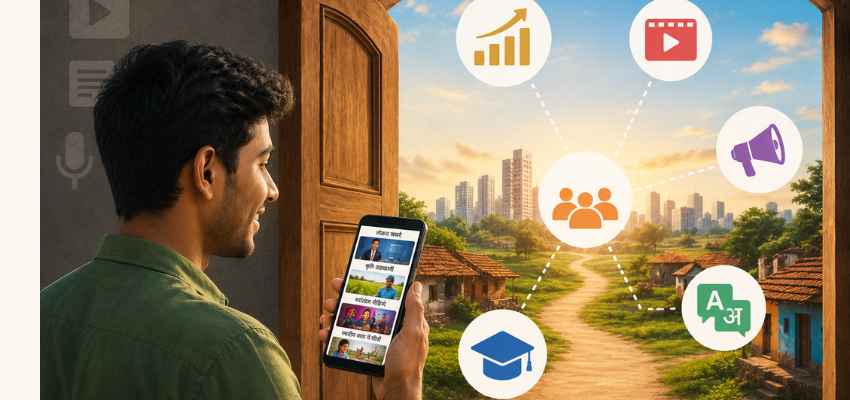
Regional audiences are not just consumers. They are:
- Content sharers
- Community builders
- Early adopters in their regions
So when you connect properly, growth is not linear. It spreads.
One good piece of regional content can travel much further than a polished English post that nobody fully relates to.
Read More | 5X Video Engine: How AI-Assisted Workflows Cut Brand Content Turnaround from Weeks to Hours.
Key Takeaway
The next phase of internet growth in India is not about more content. It is about more relevant content.
And relevance comes from language, culture, and context working together.
A strong multilingual content strategy in India is not just a marketing tactic. It is the foundation of future digital growth.
Need Videos, Creators, or Regional Content for Your Brand?
Boss Wallah helps brands plan and execute video content at scale, without managing multiple vendors.
We work with companies to:
Shoot large volumes of short-form videos using real creators and studio setups, suitable for social media, websites, campaigns, and launches
Adapt the same videos for different languages, regions, and platforms, so one shoot works across India and global markets
Launch products or campaigns through dozens or hundreds of creators, all managed, tracked, and reported in one system
Support brands with ongoing content, launches, regional expansion, and performance-focused campaigns
Whether you need videos for a new launch, content for multiple markets, creator-led visibility, or a steady content pipeline, Boss Wallah acts as a single partner handling production, creators, and execution end-to-end.
👉Click here to see how Boss Wallah works with brands and what we can build for you
Final Thoughts
India’s internet growth is no longer a single-lane highway where English content automatically wins attention. It is more like a busy multi-lane road where each lane speaks a different language, and each one is equally important.
The brands and creators who will grow in this environment are not the ones who simply post more content. They are the ones who build content that feels native to the audience. That is exactly where a strong multilingual content strategy India makes the difference.
The idea is simple. People do not ignore content because it is bad. They ignore it because it does not feel like it was made for them. Regional-first thinking fixes that problem at the root.
So instead of treating language as an afterthought, treat it as the starting point. Because in the next phase of India’s digital growth, clarity beats creativity, and relevance beats reach.
FAQs
1. What is a multilingual content strategy in India?
It is a content approach where creators and brands produce content in multiple Indian languages to reach diverse regional audiences effectively.
2. Why is regional-first content important in India?
Because most new internet users prefer regional languages, which increases engagement and trust.
3. Is English content still useful?
Yes, but it should not be the only focus. English works well for urban and global audiences, while regional languages drive mass reach.
4. What is the difference between translation and localisation?
Translation changes words. Localisation changes tone, culture, and meaning, so content feels natural to the audience.
5. How many languages should a brand start with?
Start with 2 to 4 key languages based on your target audience and expand based on performance data.