
Indigo Farming: How to Start, Demand, Profit Margin & More
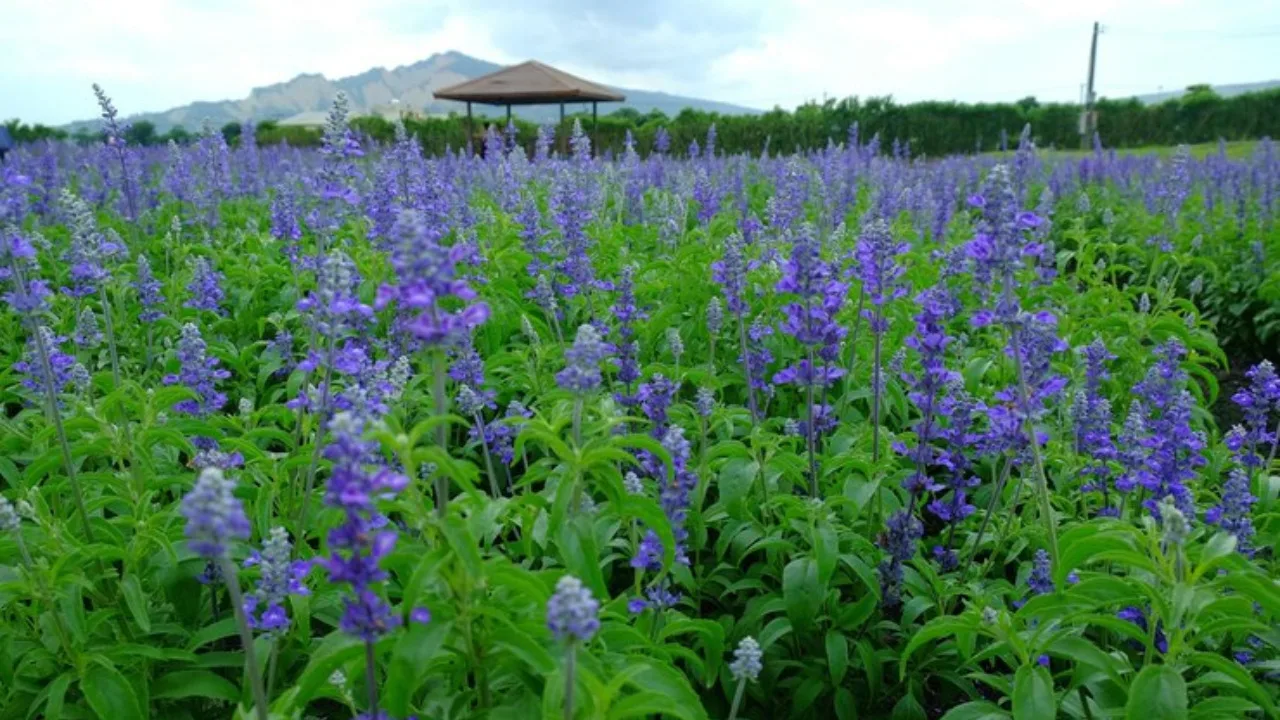
Table of contents
- What is Indigo Farming?
- Where is Indigo Grown in India?
- Why Choose Indigo Farming?
- Step-by-Step Guide to Start Indigo Farming
- Investment & Setup Cost
- Profit Margin in Indigo Farming
- Demand & Market Opportunities
- Government Support & Subsidies
- By-products & Value-added Products
- Challenges in Indigo Farming
- Conclusion
- Frequently Asked Questions (FAQs)
Indigo farming, once a colonial-era cash crop, is now making a comeback in India due to the rising demand for natural dyes in the global textile industry. If you’re curious about sustainable agriculture, niche farming, or new profit opportunities, indigo farming could be the perfect business for you in 2025. Here’s everything you need to know.
What is Indigo Farming?

Indigo farming refers to the cultivation of the Indigofera tinctoria plant, from which natural indigo dye is extracted. This dye is used primarily in textile industries for colouring fabrics, especially denim.
🧪 Natural Indigo vs Synthetic Indigo: Unlike synthetic indigo (which contains harmful chemicals), natural indigo is eco-friendly, sustainable, and in growing demand.
Where is Indigo Grown in India?
Indigo farming is mainly found in:
- Bihar (Champaran and Munger)
- Tamil Nadu
- Andhra Pradesh
- Karnataka
- Odisha
Why Choose Indigo Farming?

- High Export Potential: Used extensively in Europe, Japan, and the USA.
- Eco-friendly Business: Supports organic and sustainable farming movements.
- Low-input farming: Requires minimal fertilisers and pesticides.
- Rising Textile Demand: Especially in natural dyes and handloom fabrics.
Step-by-Step Guide to Start Indigo Farming
1. Soil and Climate
- Grows well in loamy to sandy loam soil with good drainage.
- Requires 20–35°C temperature and moderate rainfall.
2. Land Preparation
- 2–3 ploughings for fine tilth.
- Use organic manure like FYM (Farm Yard Manure) – 10–15 tons/acre.
3. Seed Selection & Sowing
- Variety: Indigofera tinctoria
- Sowing time: June to July (monsoon)
- Method: Broadcast or line sowing
- Seed rate: 10–15 kg/acre
4. Fertiliser & Irrigation
- Mostly rainfed, but supplemental irrigation during dry spells.
- Use vermicompost and biofertilizers.
5. Weeding & Maintenance
- Hand weeding at 30 and 60 days.
- Pest attack is rare due to the plant’s natural resistance.
6. Harvesting
- First harvest: 4–5 months after sowing.
- Multiple cuttings are possible in a year.
Investment & Setup Cost
| Expense Category | Estimated Cost (Per Acre) |
|---|---|
| Land Preparation | ₹3,000 |
| Seeds | ₹1,500 |
| Manure & Fertilizers | ₹2,500 |
| Labour | ₹4,000 |
| Irrigation (if required) | ₹1,000 |
| Miscellaneous | ₹1,000 |
| Total Estimated Cost | ₹13,000 – ₹15,000 |
💡 Pro Tip: If you want to start a Business but have too many doubts, connect with a Business expert from Boss Wallah for guidance – Check Out
Profit Margin in Indigo Farming
| Particulars | Value (Per Acre) |
|---|---|
| Indigo leaves yield | 4,000 – 5,000 kg |
| Indigo dye yield | 8–10 kg |
| Market price per kg dye | ₹1,500 – ₹2,000 |
| Gross Revenue | ₹12,000 – ₹20,000 |
| Net Profit | ₹7,000 – ₹10,000/acre |
👉 Note: Profit increases with value addition (processing dye or selling to exporters).
ALSO READ | Rice Farming: Complete Guide for Profitable Yields
Demand & Market Opportunities
- Export markets: Japan, Germany, Italy, and the US.
- India: Handloom hubs like Ponduru, Gujarat, Varanasi, and Rajasthan.
According to the Indian Council of Agricultural Research (ICAR), the global demand for natural dyes is growing at over 10% CAGR, with indigo at the forefront.
🧾 Marketing Channels:
- Direct sales to textile industries
- Tie-ups with natural dye exporters
- Online platforms like AgriBazaar, DeHaat, Amazon Karigar
Government Support & Subsidies
- National Medicinal Plants Board (NMPB) – Support for natural dye crops.
- RKVY (Rashtriya Krishi Vikas Yojana) – Grants for organic farming.
- Start-up India & MSME – Funding and incubation support for agri-entrepreneurs.
👉 Visit agricoop.gov.in for schemes and updates.
ALSO READ | Cotton Farming: Techniques, Setup Cost, Profit Margin & More
By-products & Value-added Products

- Indigo paste – Raw material for dye.
- Dried Indigo cake – For long-distance shipping.
- Natural cosmetic dye – Used in soaps, shampoos.
- Textile printing ink – Eco-friendly applications.
Challenges in Indigo Farming
- Lack of awareness among Indian farmers.
- Manual dye extraction is labour-intensive.
- Limited processing units in rural areas.
- Need for better market linkages and training.
Need Expert Guidance?
Starting a business can be challenging, but you don’t have to do it alone! At Boss Wallah, our 2,000+ business experts are ready to provide valuable insights and guidance. Whether you need help with marketing, finance, sourcing, or any other area of any business, our business experts are here to help you succeed
Confused about Which Business to Start?
Want to start your own business but unsure which one to choose? Explore Boss Wallah, where you’ll find 500+ courses by successful business owners, featuring practical, step-by-step guides on starting and growing various businesses.
Find your perfect business idea today
Conclusion
Indigo farming in India is a hidden gem with excellent potential in eco-conscious markets. With low investment, good margins, and global demand, it’s a great venture for farmers looking for sustainable and profitable alternatives. If you’re passionate about organic farming or want to tap into the growing market of natural dyes, now is the best time to start!
Frequently Asked Questions (FAQs)
1. What is the use of indigo dye?
Used for dyeing fabrics, especially denim and handloom garments.
2. Is indigo farming profitable in India?
Yes, especially when value-added by processing the dye.
3. How long does it take to harvest indigo?
First harvest in about 4–5 months.
4. Which soil is best for indigo farming?
Loamy or sandy loam with good drainage.
5. Is synthetic indigo harmful?
Yes, it contains chemicals that harm the environment.
6. Where is the highest production of indigo in India?
Champaran (Bihar), parts of Tamil Nadu and Karnataka.
7. How much dye is extracted from one acre?
Around 8–10 kg of dye per acre.
8. How can farmers sell indigo dye?
To exporters, textile manufacturers, or online marketplaces.
9. Are there any government schemes for indigo farming?
Yes, NMPB and RKVY support such initiatives.
10. Can women or small farmers do indigo farming?
Absolutely! It’s low-risk, sustainable, and women-friendly.