Table of contents
- What is Contour Farming?
- Why is Contour Farming Important in India?
- How Does Contour Farming Work?
- Step-by-Step Practices in Contour Farming
- Key Advantages of Contour Farming
- Major Challenges in Contour Farming
- Where is Contour Farming practised in India?
- Economic Benefits: Crop Sale, By-Products & More
- Real-Life Case Study from India
- Conclusion
- Frequently Asked Questions (FAQs)
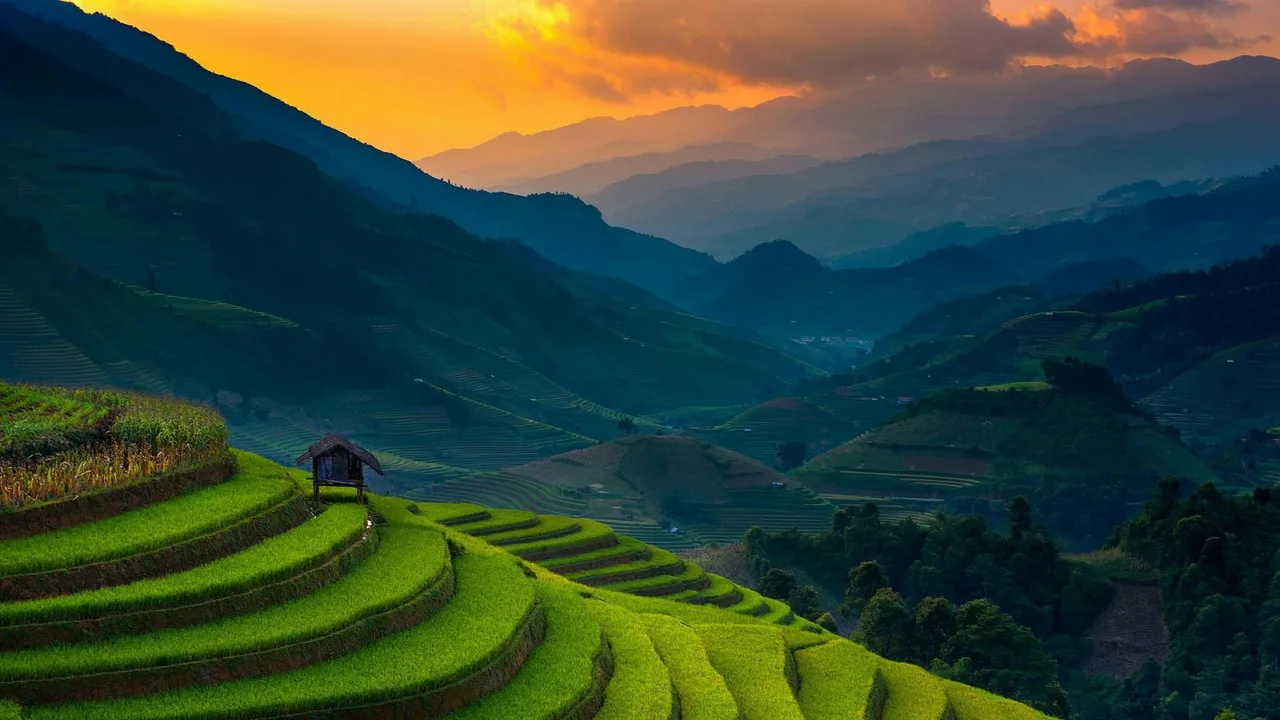
Contour Farming is a smart and eco-friendly farming method where farmers plough across the slope of the land (in horizontal lines), instead of up and down. This simple change helps to conserve water, prevent soil erosion, and boost crop yields, making it ideal for hilly and sloped areas in India
What is Contour Farming?

Contour farming means cultivating land along the natural curves or contours of hills and slopes.
Main Content:
- Instead of vertical rows (which allow rainwater to wash soil downhill), horizontal rows act like barriers.
- These rows slow water runoff and allow more water to soak into the soil.
- Contour farming is part of sustainable agriculture and is often used with terracing and strip cropping.
Why is Contour Farming Important in India?
India has large areas of hilly terrain where soil erosion is a serious issue.
Main Content:
- Around 147 million hectares of India’s land is prone to soil degradation (Source: ICAR).
- In states like Himachal Pradesh, Uttarakhand, Assam, and Meghalaya, erosion affects crop yields.
- Contour farming helps retain topsoil, saving 30-50% of fertile land annually.
How Does Contour Farming Work?
It uses the shape of the land to manage water and soil.
Main Content:
- Farmers first map the contours of their fields using tools like A-frames or GPS.
- Ploughing and planting are done perpendicular to the slope.
- Water is trapped in furrows and is absorbed into the ground.
- Crops grow in rows that follow the land’s natural shape.
💡 Pro Tip: If you want to start a Business but have too many doubts, connect with a Business expert from Boss Wallah for guidance – Check Out
Step-by-Step Practices in Contour Farming
| Step | Activity | Tools Used |
|---|---|---|
| 1 | Identify slope and contours | A-frame, GPS, laser level |
| 2 | Draw contour lines | Marking sticks, rope |
| 3 | Plow along contour lines | Bullock or tractor plow |
| 4 | Plant crops on the same lines | Seeds, planters |
| 5 | Maintain bunds/furrows | Plough along contour lines |
ALSO READ | Carbon Farming: What is it, Techniques, Benefits, Challenges & More
Key Advantages of Contour Farming
It improves soil quality, water retention, and yields.
Main Content:
- Reduces Soil Erosion by up to 50% (Source: ICRISAT).
- Improves Water Infiltration — more rainwater goes into the soil.
- Increases Crop Yields — due to moisture retention.
- Protects Local Biodiversity — prevents habitat loss caused by erosion.
- Requires Low Investment — suitable even for small farmers.
Major Challenges in Contour Farming

It needs proper planning and regular maintenance.
Main Content:
- Labour Intensive: Mapping contours takes effort.
- Not Suitable for Flat Lands: Works only on sloped areas.
- Initial Setup Time: Farmers must spend time marking lines.
- Water Logging Risk if bunds are not maintained.
- Lack of Awareness: Many Indian farmers still don’t know about it.
Where is Contour Farming practised in India?

Practised mostly in hill states and regions with high rainfall.
Main Content:
- Himachal Pradesh: Used in apple and vegetable farming.
- Uttarakhand: Practised in the terrace farming of rice and wheat.
- Meghalaya: Used with jhum (shifting) farming to control erosion.
- Assam & Nagaland: Popular among tribal farmers.
ALSO READ | Commercial Grain Farming: A Complete Guide (2025)
Economic Benefits: Crop Sale, By-Products & More
Contour farming improves income through better yields and by-products.
Main Content:
- Higher Yield: Better moisture = more crop.
- By-products: Straw, husk, stalks for fodder or bio-compost.
- Low Fertiliser Use: Retains natural nutrients.
- Long-Term Land Health: Avoids costly soil restoration.
Real-Life Case Study from India

A farmer’s success story from Himachal Pradesh.
Main Content:
- Farmer Name: Ramesh Negi, Kullu district.
- Faced yield loss due to soil erosion in his apple orchard.
- Adopted contour farming in 2021.
- Yield increased by 40% in two years.
- Reduced fertiliser costs and improved groundwater recharge.
Need Expert Guidance?
Starting a business can be challenging, but you don’t have to do it alone! At Boss Wallah, our 2,000+ business experts are ready to provide valuable insights and guidance. Whether you need help with marketing, finance, sourcing, or any other area of any business, our business experts are here to help you succeed
Confused about Which Business to Start?
Want to start your own business but unsure which one to choose? Explore Boss Wallah, where you’ll find 500+ courses by successful business owners, featuring practical, step-by-step guides on starting and growing various businesses.
Find your perfect business idea today
Conclusion
Contour farming is a smart, sustainable, and cost-effective method for Indian farmers, especially in hilly areas. It not only improves yields but also protects the environment. With growing climate challenges, this technique offers a simple yet powerful solution.
Frequently Asked Questions (FAQs)
1. What is contour farming?
Growing crops along the natural slope of the land.
2. Where is contour farming useful?
In hilly and sloped regions.
3. Can contour farming prevent erosion?
Yes, it reduces erosion by 30-50%.
4. Is contour farming expensive?
No, it’s low-cost and needs basic tools.
5. What crops are best for contour farming?
Vegetables, pulses, fruits like apples, etc.
6. Does it need special training?
Basic training or guidance is helpful.
7. What are the tools needed?
A-frame, plough, measuring rope.
8. Is government support available?
Yes, under soil conservation and watershed schemes.
9. Is it suitable for flat lands?
No, it works best on sloped terrains.
10. How does it help with water conservation?
It slows runoff and lets water soak into the soil.