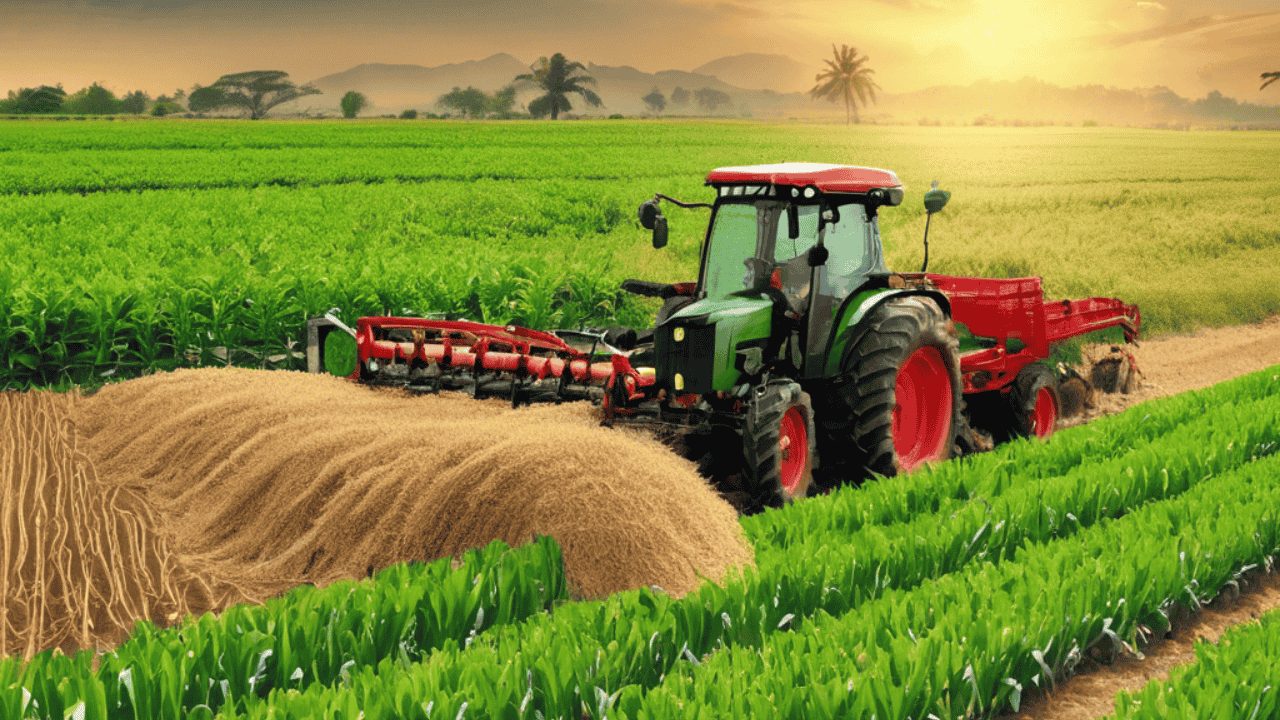
- Agricultural enterprises are businesses related to farming, livestock, agri-processing, and farm services.
- India’s agriculture sector contributes 18% to GDP and employs over 42% of the population.
- Top profitable options include organic farming, dairy, poultry, medicinal plants, and agri-tech startups.
- Government schemes and subsidies make it easier to start an agricultural business.
- The sector is expected to grow 6–7% annually in 2025.
India has been called the land of farmers for centuries, and for good reason — agriculture feeds over 1.4 billion people and powers rural livelihoods. Agricultural enterprises go beyond just farming; they include animal husbandry, food processing, modern agri-services, and even agricultural technology startups. In 2025, with global demand for quality farm products rising, government support increasing, and technology transforming agriculture, India’s agricultural enterprises are more profitable and sustainable than ever before.
What are Agricultural Enterprises?

Agricultural enterprises are business activities directly or indirectly connected to agriculture. These can be small, medium, or large-scale and cover:
- Crop Cultivation – Growing cereals, vegetables, fruits, pulses, and spices.
- Livestock Farming – Dairy, poultry, piggery, goat, and fish farming.
- Agri-Processing – Converting raw produce into packaged or value-added products like jams, spices, and dairy products.
- Agri-Services – Providing farm equipment rentals, soil testing, irrigation solutions, and consultancy.
Note: Agricultural enterprises are not just about farming; they also include support services that make farming more efficient.
Importance of Agricultural Enterprises in India
- Employment Generator: Over 42% of India’s workforce is engaged in agriculture.
- Economic Contributor: Contributes nearly ₹35 lakh crore annually to GDP.
- Export Booster: India is a leading exporter of rice, spices, tea, and cotton.
- Rural Development Driver: Creates local jobs and reduces migration to cities.
- Food Security Backbone: Ensures a consistent food supply for the nation.
Top Profitable Opportunities in Agricultural Enterprises (2025)

| Opportunity | Investment Range | Profit Potential / Key Highlight |
| Organic Farming | ₹2–5 lakh | High demand in urban markets; Premium pricing |
| Dairy Farming | ₹5–15 lakh | ₹50,000–₹1 lakh/month; Steady income |
| Poultry Farming | ₹3–8 lakh | ₹30–₹50 per bird; Quick returns |
| Agri-Tech Startups | ₹10–20 lakh | High scalability; Investor-friendly |
| Fish Farming | ₹2–6 lakh | ₹2–₹4 lakh/year; Low feed cost |
| Medicinal Plant Farming | ₹1–3 lakh | High export demand; Growing pharma use |
1. Organic Farming
Organic farming involves growing crops without synthetic fertilisers, pesticides, or genetically modified seeds. Farmers use natural compost, green manure, crop rotation, and biological pest control to maintain soil health.
- Why it’s profitable: Urban consumers and export markets are willing to pay 30–50% higher prices for organic products.
- Market trends: India’s organic food market is expected to grow at 20% annually till 2030.
- Suitable crops: Organic vegetables (tomatoes, spinach), fruits (mango, papaya), grains (millets, rice).
- Certification: To sell internationally, farmers need organic certification under NPOP (National Programme for Organic Production).
Tip: Partner with online organic grocery platforms to reach city consumers faster.
2. Dairy Farming
Dairy farming is the largest segment of Indian agriculture, involving milk production and processing into products like butter, cheese, paneer, and curd.
- Why it’s profitable: India is the world’s largest milk producer, and demand is increasing due to population growth and rising incomes.
- Daily cash flow: Milk is consumed daily in every Indian household, ensuring steady income.
- Future growth: India’s milk consumption is projected to reach 230 million tonnes by 2030.
- Low risk factor: Even in economic slowdowns, milk demand stays stable.
3. Poultry Farming
Poultry farming focuses on raising broiler chickens for meat and layers for eggs.
- Fast returns: Broilers mature in 5–7 weeks, making it a quick-income business.
- Market size: India is the third-largest egg producer and fourth-largest chicken producer in the world.
- Demand drivers: Affordable protein source, consumed daily in both rural and urban households.
- Modern practices: Temperature-controlled sheds and automatic feeding systems reduce mortality rates and improve growth.
Tip: Start with 500–1,000 birds and scale up once you stabilise sales.
4. Agri-Tech Startups
Agri-tech startups combine agriculture with modern technology to solve farming challenges.
- Business scope: Develop farm management apps, precision irrigation systems, drone-based crop monitoring, or online marketplaces for farm produce.
- Why it’s profitable: High scalability, venture capital interest, and rapid farmer adoption of mobile and IoT solutions.
- Impact: Reduces water usage, increases crop yield, and improves market access for farmers.
- Examples: DeHaat, Ninjacart, and AgroStar are leading Indian agri-tech companies.
Tip: Focus on B2B (farmer to retailer) solutions for faster adoption and revenue growth.
5. Fish Farming
Fish farming (aquaculture) involves breeding and rearing fish in ponds, tanks, or cages for sale as food.
- High profitability: Fish like rohu, catla, and tilapia have strong market demand in cities and coastal regions.
- Low input costs: Fish feed is relatively inexpensive, and water recycling can lower operating costs.
- Fast returns: Many fish varieties can be harvested within 6–12 months.
- Government support: NABARD offers loans and subsidies for setting up fish farms.
Tip: Combining fish farming with duck farming in the same pond can increase revenue and reduce feed costs.

6. Medicinal Plant Farming
Medicinal plant farming focuses on herbs and plants used in Ayurveda, Unani, Siddha, and modern pharmaceuticals.
- High demand: As global interest in herbal medicines grows, India’s export market for medicinal plants is booming.
- Popular plants: Ashwagandha, aloe vera, tulsi, stevia, brahmi, and neem.
- Long-term benefits: Many medicinal plants require minimal care once established and can be harvested multiple times.
- Export market: The herbal medicine industry is projected to reach USD 50 billion globally by 2030.
Growth Trends in Agricultural Enterprises (2025)
- Technology Integration: Drones, IoT sensors, and AI for crop monitoring.
- Export Expansion: Rising demand for Indian spices, tea, and organic produce.
- Sustainable Practices: More farmers are adopting eco-friendly methods.
- Government Support: Subsidies on equipment, seeds, and irrigation.
- Digital Marketplaces: Direct farmer-to-consumer online sales.
Government Schemes Supporting Agricultural Enterprises
- PM Kisan Samman Nidhi (PM-KISAN): ₹6,000/year for small farmers.
- NABARD Subsidies: Low-interest loans for farm machinery.
- Pradhan Mantri Krishi Sinchai Yojana (PMKSY): Irrigation support.
- Rashtriya Krishi Vikas Yojana (RKVY): Modern farming project grants.
Challenges Faced by Agricultural Enterprises

- Climate change and unpredictable rainfall.
- Lack of access to advanced technology in remote areas.
- Price fluctuations in crops and livestock.
- Inadequate storage and transportation facilities.
Key Takeaways
- Agricultural enterprises are essential for India’s economy.
- Profitable opportunities include organic farming, dairy, poultry, and agri-tech.
- Government subsidies make starting easier.
- Technology adoption is the key to higher profits.
- Export potential is rapidly increasing in 2025.
Conclusion
2025 marks a turning point for agricultural enterprises in India. With the combination of government support, modern technology, and rising market demand, the sector is ready for consistent growth. Farmers, entrepreneurs, and investors who adopt sustainable and tech-driven methods will enjoy long-term profitability.
Explore more blogs to boost your farming knowledge and make smarter agri-business moves.
FAQs
A business related to farming, livestock, agri-processing, or farm services.
Organic farming, dairy farming, and agri-tech are among the top.
Ranges from ₹1 lakh to ₹20 lakh depending on scale.
Yes, due to higher market prices.
Basmati rice, spices, tea, and medicinal plants.
Some require FSSAI or agricultural department registration.
Drones, IoT, automated irrigation, and AI-based crop monitoring.
Subsidies, low-interest loans, and financial grants.
Yes, at a projected 6–7% rate in 2025.
Climate change, storage, and price instability