Net Worth Calculator: What’s Your True Financial Standing in 2025?
Ever wondered about your actual financial position? A net worth calculator shows this crucial number that reveals what you’d have left after selling everything and paying off all debts. Your net worth comes down to a simple equation: assets minus your liabilities.
The sort of thing I love about net worth is that you don’t need to earn big money to achieve positive financial standing. Smart money management makes the real difference – spend less than you earn and invest the surplus. Your assets might include savings accounts, investments, real estate, and jewelry, while liabilities cover loans and taxes of all types. This calculation paints a complete picture of your financial health.
This piece walks you through the net worth calculation process step-by-step. You’ll learn which assets and liabilities matter and see how your numbers stack up against other households. The result will show exactly where you stand financially in 2025 and help you plan your next moves.
Start with the Basics: What is Net Worth?

“I’ve seen couples earning $500,000 a year with negative net worth because they’re spending $525,000 and racking up credit card debt. Income doesn’t automatically translate to wealth.” — Valerie A. Rivera, Certified Financial Planner and Founder of FirstGen Wealth
Your financial snapshot shows more than just your bank account balance. **Net worth** is the most revealing number in your financial life. It gives you a complete view of where you stand.
Simple definition
The formula to calculate net worth is straightforward: Assets minus Liabilities. It adds up everything you own and subtracts everything you owe. This number gives you a clear picture of your financial position right now.
Let’s break this down:
Assets include everything valuable you own:
- Cash and bank account balances
- Investment accounts (stocks, bonds, mutual funds)
- Real estate at current market value
- Vehicles
- Personal property (jewellery, art, collectables)
- Retirement accounts and insurance policies
Liabilities cover all money you owe:
- Mortgage balances
- Car loans
- Student loans
- Credit card debt
- Personal loans
- Outstanding bills or taxes
A positive net worth shows good financial health – it means your assets are worth more than your debts. If your debts are higher than your assets, you have a negative net worth, which might signal financial challenges.
Why it’s more than just income
People often focus too much on income, but making lots of money doesn’t automatically mean wealth. You could earn $84.38 million each year and still end up with negative net worth by spending $168.76 million.
Think about it this way: income flows like a river, while net worth builds up like a reservoir over time. Your salary shows what you make, but net worth reveals what you’ve built.
The U.S. Census Bureau reports American households have a median net worth of $16,208,134.51. Most of this wealth comes from retirement accounts and home equity, not just high salaries.
Smart people with modest incomes can build substantial net worth. They save wisely, invest strategically and keep debt low. Remember, what matters isn’t how much you make—it’s what you keep and grow.
How it’s used in financial planning
Net worth helps with financial planning in several ways:
Financial health assessment: Your net worth quickly shows how healthy your finances are. Growing net worth usually means good money management, while declining numbers point to areas needing work.
Decision guidance: Understanding how big purchases or investments affect your net worth helps make smart choices. Financial advisors use this number to suggest the right investment mix.
Goal tracking: Regular net worth calculations help measure your financial progress. This number tracks your journey toward specific goals like paying off debt, saving for retirement, or building family wealth.
Retirement planning: Net worth calculations show if you’re ready for retirement. They reveal your total financial position, including what your assets are worth.
Estate planning: Your net worth plays a significant role in planning your legacy. This knowledge helps minimise taxes while maximising what you leave to your family.
Loan applications: Lenders look at your net worth before approving loans. Good net worth can lead to better interest rates and loan terms.
Summary
Net worth tells the true story of your financial position—it’s what you own minus what you owe. Unlike income, which shows money coming in, net worth reveals your actual wealth at any moment.
This number clarifies your financial health, helps track goals, guides big money decisions, and forms the foundation of long-term financial planning.
Regular net worth checks ensure you’re building wealth instead of just earning and spending. Think of it as a financial health checkup—it shows where you stand today and highlights what needs attention to secure your future.
Want to save smarter, invest better, or get out of debt?
Get step-by-step strategies proven by finance experts and real-life wealth builders – download the Boss Wallah App now
Step-by-Step: How to Calculate Your Net Worth

You can become skilled at calculating your net worth through a simple process. The formula stays straightforward—assets minus liabilities—but you need organisation and attention to detail. Let me show you how to break this down into easy steps.
Gather financial documents
The foundations of an accurate net worth calculation start with collecting your financial documentation. This first step might feel tedious, but precision demands it.
Here’s what you’ll need to gather:
- Personal identification documents: PAN card, Aadhar card, or passport
- Financial statements: Recent bank statements (checking and savings accounts)
- Investment records: Documentation for stocks, bonds, mutual funds, and retirement accounts
- Property documents: Deeds, tax receipts, and current market valuations
- Vehicle information: Current market value estimates for cars and other vehicles
- Valuable possessions: Appraisals for jewellery, art, or collectables
- Debt documentation: Mortgage statements, auto loans, student loans, credit card statements
- Tax returns: Recent tax filings to verify income and assets
Note that you should use current market values for assets like real estate and vehicles, not your purchase price. Check the present trading value on public exchanges for investments.
Use a net worth calculator
After gathering your financial information, you can make calculations easier with dedicated net worth calculators. These tools handle the math automatically so you can focus on entering accurate data.
You’ll find many free net worth calculators online, from simple to sophisticated ones. The best calculators give you:
- Account connection capabilities that automatically import financial data
- Regular updates to track changes in your net worth over time
- Visual representations of your financial progress
- Projections for future growth based on current trends
These tools work simply—just input your asset values and liability amounts into the designated fields. The calculator subtracts your liabilities from assets and shows your current net worth instantly.
Manual vs. digital calculation
Some people prefer spreadsheets to calculate their net worth manually, which remains a solid option.
Manual calculation advantages:
- Complete control over categorisation and valuation methods
- Privacy (no sharing financial data with third-party services)
- A deeper understanding of your financial situation through direct involvement
- No cost or subscription fees
Digital calculation advantages:
- Automatic account connections save time
- Immediate updates as asset values change
- Tracking capabilities show progress over months and years
- Less prone to mathematical errors
- Often includes additional features like goal setting
Your choice between manual and digital methods depends on your comfort with technology, privacy concerns, and how often you plan to recalculate. Many financial experts suggest recalculating at least quarterly, sometimes monthly, to stay aware of your financial path.
Summary
ere’s everything you need to calculate your net worth:
- Gather all financial documents showing what you own and what you owe
- List and value all assets (everything you own with monetary value)
- List and total all liabilities (everything you owe)
- Subtract total liabilities from total assets using the formula: Net Worth = Assets – Liabilities
This calculation gives you either a positive number (you own more than you owe), zero (assets equal liabilities), or a negative number (you owe more than you own).
Whatever method you pick—manual spreadsheets or automated calculators—consistency matters most. Regular calculations help you track changes in your financial position and make smart decisions about saving, investing, and debt management.
Assets: What You Own

Assets are the foundations of your financial worth – they include everything you own that has monetary value. You need to understand your assets well to calculate your net worth accurately in 2025.
Liquid assets (cash, savings)
Liquid assets sit at the top of the financial hierarchy because you can access them right away. You can turn these assets into cash quickly without losing much value. Cash itself ranks as the most liquid asset, followed by:
- Bank account balances (checking and savings)
- Money market accounts
- Treasury bills and notes
- Certificates of deposit (CDs)
- Short-term government bonds
These assets are great to have during emergencies or to grab unexpected opportunities. They act as your financial safety net and help you avoid debt to handle surprise expenses.
The trade-off? Your highly liquid assets usually give lower returns than less liquid investments. You might miss chances to grow your money over time by keeping too much in cash.
Investment assets (stocks, mutual funds)
Investment assets fall in the middle of the liquidity spectrum. You might need several days to turn them into cash, but they give you solid growth potential:
- Stocks and bonds
- Mutual funds
- Exchange-traded funds (ETFs)
- Retirement accounts (401(k)s, IRAs)
- Fixed deposits
- Insurance policies with cash value
Most marketable securities are relatively liquid since established markets let you sell them quickly. Notwithstanding that, market conditions affect their values, so you might have to sell at a loss during downturns.
Current market values matter more than your original purchase price to calculate net worth. On top of that, retirement accounts often come with early withdrawal penalties that might affect their actual available value.
Fixed assets (real estate, vehicles)
Fixed assets (also called non-current assets) pack substantial value but usually take more than a year to convert to cash. These include:
| Fixed Asset Type | Characteristics | Liquidity Level |
|---|---|---|
| Real estate | Primary residence, investment properties | Low |
| Vehicles | Cars, boats, recreational vehicles | Medium-Low |
| Equipment | Business machinery, tools | Low |
Use current market values for your home and properties to calculate net worth, not what you paid. To cite an instance, a couple’s net worth might include their primary residence at ₹21,095,112.70, investment portfolio of ₹8,438,045.08, and vehicles worth ₹2,109,511.27.
Fixed assets lose value over time, except that some real estate might gain value. Net fixed assets equal your total fixed assets minus accumulated depreciation.
Other assets (jewellery, collectables)
Your valuable personal possessions deserve attention, too. These might include:
- Jewellery and watches
- Art collections
- Antique furniture
- Rare collectibles
- High-end electronics
Items worth ₹84,380.45 or more could qualify as collectables. These assets might bring joy, but they’re hardest to sell since finding buyers at fair prices takes time.
Think over these questions before adding collectables to your net worth: Does anyone want to buy it? Will it hold or increase in value? Can you sell it easily? What’s it worth now?
Summary
Assets make up half of your net worth equation and include everything valuable you own. They range from easy-to-sell cash to harder-to-sell real estate and collectables. Group your assets by how quickly you can sell them to calculate your net worth.
Stay consistent in how you value assets over time. More than that, some wealthy investors’ collections make up 10% or more of their wealth, but you don’t need to count every possession.
Pro Tip: Master the Best Short-Term Financing Options for Quick Cash Flow
Liabilities: What You Owe

Knowing what you owe matters just as much as knowing what you own when calculating your net worth. Liabilities reduce your overall wealth, and you must subtract them from your assets to find your true financial standing.
Short-term liabilities are financial obligations you need to pay within a year or less. These immediate obligations directly shape your daily finances and how you manage your cash flow.
The most common short-term liabilities include:
- Accounts payable: Money owed to suppliers and vendors for goods or services
- Wages payable: Total accrued income employees have earned but haven’t received yet
- Interest payable: Interest accrued on credit purchases that must be paid
- Dividends payable: Amounts owed to shareholders after a dividend declaration
- Taxes payable: Various taxes collected or accrued but not yet paid to government entities[171]
- Current portion of long-term debt: Portion of long-term loans due within the next 12 months
Your net worth calculation should only include current outstanding repayments, not future obligations. To name just one example, see your year-end net worth calculation – you’d include December’s utility bill but not January’s upcoming payments.
Medium-term liabilities
Medium-term liabilities bridge the gap between immediate obligations and long-term commitments. These financial responsibilities usually mature within one to five years, though some definitions stretch this timeframe to ten years.
Medium-term liabilities typically include:
- Car loans: Structured as 3-5 year payment plans
- Personal loans: 2-5 year repayment terms
- Some student loans: Based on their structure and terms
- Small business loans: 2-7 year maturity periods
These obligations strike a balance in financial planning. They don’t demand immediate attention like short-term debts, yet they need more focus than long-term commitments.
Long-term liabilities
Long-term liabilities stretch beyond five years, often extending to 20 years or more. These substantial commitments represent your largest debts spread across extended timeframes.
Research shows these typically include:
- Mortgages: Home loans spanning 15-30 years
- Bonds payable: Corporate or municipal bonds with extended maturity dates
- Student loans: Those with extended repayment plans
- Pension obligations: Post-employment benefits that accumulate as long-term liabilities
Net worth calculations should only include the remaining principal balance after this year’s principal payment. A mortgage with $200,000 remaining would count as $190,000 in long-term liability after subtracting this year’s $10,000 principal payment.
| Type of Liability | Timeframe | Examples | Impact on Net Worth |
|---|---|---|---|
| Short-term | Under 1 year | Credit card debt, upcoming bill payments | Immediate reduction |
| Medium-term | 1-5 years | Car loans, personal loans | Moderate-term impact |
| Long-term | Over 5 years | Mortgages, long-term bonds | Substantial but spread out impact |
Summary
Liabilities encompass everything you owe and reduce your net worth calculation. They fall into three categories based on timeframe—short-term (under 1 year), medium-term (1-5 years), and long-term (over 5 years).
Your total debt isn’t always negative if it helps you acquire assets. Strategic debt—like a mortgage for an appreciating property—can build wealth over time.
Tracking your liabilities gives you a clear picture of your true financial position. A net worth calculator works best when you categorise each debt correctly to understand your financial health.
High-interest, short-term liabilities often deserve your first attention. These debts cost more and affect your immediate cash flow most severely, making their reduction the quickest path to a better net worth
Using a Net Worth Calculator in 2025
Technology has made tracking your financial health easier than ever in 2025. Digital net worth calculators have evolved into sophisticated tools that update automatically as your finances change and give you up-to-the-minute data analysis about your financial standing.
Best tools available
The market offers several outstanding platforms to calculate and monitor net worth in 2025:
| Tool | Key Features | Best For |
|---|---|---|
| Empower | Account linking, automatic updates, investment tracking | Complete financial overview |
| Mint | Debt tracking, goal setting, budget integration | Motivation during debt payoff |
| Bankrate Calculator | Projection capabilities, visual reports, customizable inputs | Future planning scenarios |
| Ramsey SmartVestor | Accessible interface, investment guidance integration | Beginners seeking guidance |
These platforms connect all your financial accounts and pull data automatically from checking, savings, retirement accounts, and liabilities.
How to use them effectively
You can maximise the value of net worth calculators by:
- Link all accounts possible – Connect checking, savings, investments, and debt accounts to track accurately
- Update manual entries regularly – Assets like jewellery or collectables need manual updates
- Set calculation frequency – Calculate at least quarterly to stay aware of your financial trajectory
- Use projection features – Most calculators can show how your net worth might change over the next decade
Beyond tracking current numbers, these tools help you test financial scenarios and set concrete goals.
Common mistakes to avoid
Users often make these errors with net worth calculations despite having sophisticated tools:
- Analysis paralysis – Many people wait for perfect understanding before acting, which delays the compounding that actually builds wealth over time
- Inconsistent valuation methods – Different approaches to value assets between calculations
- Focusing only on income, High income doesn’t automatically mean wealth
- Neglecting fair market values – Current market value matters more than purchase price for homes and vehicles
- Overlooking liabilities – Missing debts creates an inaccurate picture
Summary
Net worth calculators have changed financial tracking from a tedious manual process into an automated system that shows your true financial position. These tools help you monitor progress toward financial goals when you link accounts, update values regularly, and avoid calculation mistakes.
The value of these calculators goes beyond simple number-crunching. They motivate you as you watch debts decrease and assets grow. Financial expert Valerie Rivera explains, “waiting too long to invest often delays the compounding that actually drives net worth over time”.
Pro Tip: Master These 25 High-Income Skills to Boost Your Earnings in 2025
Compare Your Net Worth with Others

You might have wondered how your money situation matches up with others. Once you figure out your net worth, it makes sense to compare it with people like you. This comparison helps you understand where you stand and set achievable money goals.
By age group
Your net worth usually grows as you get older. You build assets and pay off debts over time. The Federal Reserve’s Survey of Consumer Finances shows big differences between age groups:
| Age Group | Median Net Worth (2022) | Average Net Worth (2022) |
|---|---|---|
| Under 35 | ₹3,294,212.80 | ₹15,473,687.07 |
| 35-44 | ₹11,416,674.99 | ₹46,246,393.67 |
| 45-54 | ₹20,816,657.21 | ₹81,956,200.45 |
| 55-64 | ₹30,737,266.81 | ₹131,976,931.69 |
| 65-74 | ₹34,595,984.83 | ₹150,257,956.36 |
| 75+ | ₹28,242,136.88 | <citation index=”24″ link=”https://www.nerdwallet.com/article/finance/average-net-worth-by-age” similar_text=”Age of head of family |
The big gap between median and average numbers stands out. Average values shoot up because of super-wealthy people. Median values show the middle point and give a more realistic standard for most people.
By income level
Income and net worth go hand in hand but mean different things. The 2022 data shows how net worth varies by income:
Income Percentile Breakdown:
- Bottom 20%: Median net worth of ₹1,181,326.31
- 20%-39.9%: Median net worth of ₹5,991,012.01
- 40%-59.9%: Median net worth of ₹13,441,805.81
- 60%-79.9%: Median net worth of ₹25,921,674.49
- 80%-89.9%: Median net worth of ₹63,032,196.75
- Top 10%: Median net worth of ₹215,693,308.35
By region or country
Wealth looks different around the world. Hawaii tops the U.S. states with a median net worth of ₹42,406,492.50. Washington state follows at ₹33,657,758.60. Louisiana sits at the bottom with just ₹6,451,560.51.
Switzerland leads the world in average wealth per adult. The United States, Hong Kong SAR, and Luxembourg follow close behind. Luxembourg ranks first in median wealth, which better shows how typical citizens live. Australia and Belgium come next.
Summary
Comparing your net worth helps you learn where you stand. These numbers are averages, not targets. Your money journey depends on many things – your career, where you live, and what you want to achieve. Think of these comparisons as guides rather than strict measures of success.
What to Do After You Know Your Net Worth
Your net worth calculation gives you valuable insights. These numbers become a powerful tool to make smart financial decisions.
Set financial goals
The next step after finding your net worth baseline is to set clear money targets. The SMART framework—Specific, Measurable, Achievable, Relevant, and Time-bound—turns your financial dreams into real plans.
A vague goal like “I want to save more money” won’t help. Instead, aim for something specific such as “I will save ₹42,190.23 monthly to build a house down payment of ₹2,531,413.52 in five years”. This clear target helps you make better decisions.
Note that your goals need priority based on urgency and long-term effects. Start with an emergency fund before you jump into stock investments. This protects you from taking on debt when unexpected costs arise.
Create a debt repayment plan
Two proven strategies can help you eliminate debt and boost your net worth:
| Method | Approach | Advantage |
|---|---|---|
| Avalanche | Minimises long-term costs | Pay the smallest debts first |
| Snowball | Pay smallest debts first | Creates motivational “wins” |
These strategies work best when you list all debts and make minimum payments on everything. Put extra money toward your target debt. After paying off one debt, add that payment to the next one.
A quick call to your creditors might get you lower interest rates. Setting up automatic payments helps you avoid late fees.
Start investing wisely
Regular saving and investing can boost your net worth over time. Here’s where to begin:
- Maximise retirement contributions, especially if your employer matches them
- Build a cash reserve to avoid using debt for emergencies
- Think about home ownership as a way to build wealth
Most Americans find that their home becomes a major financial asset. They build equity through monthly mortgage payments and might benefit from property value increases.
Finally
Your net worth calculation is just the beginning. Focus on three key steps: create SMART financial goals that match your values, use a solid debt repayment plan, and start systematic investing. These principles, applied consistently, will help grow your net worth and create lasting financial stability.
WATCH | Course on Financial Freedom
Tips to Grow Your Net Worth Consistently
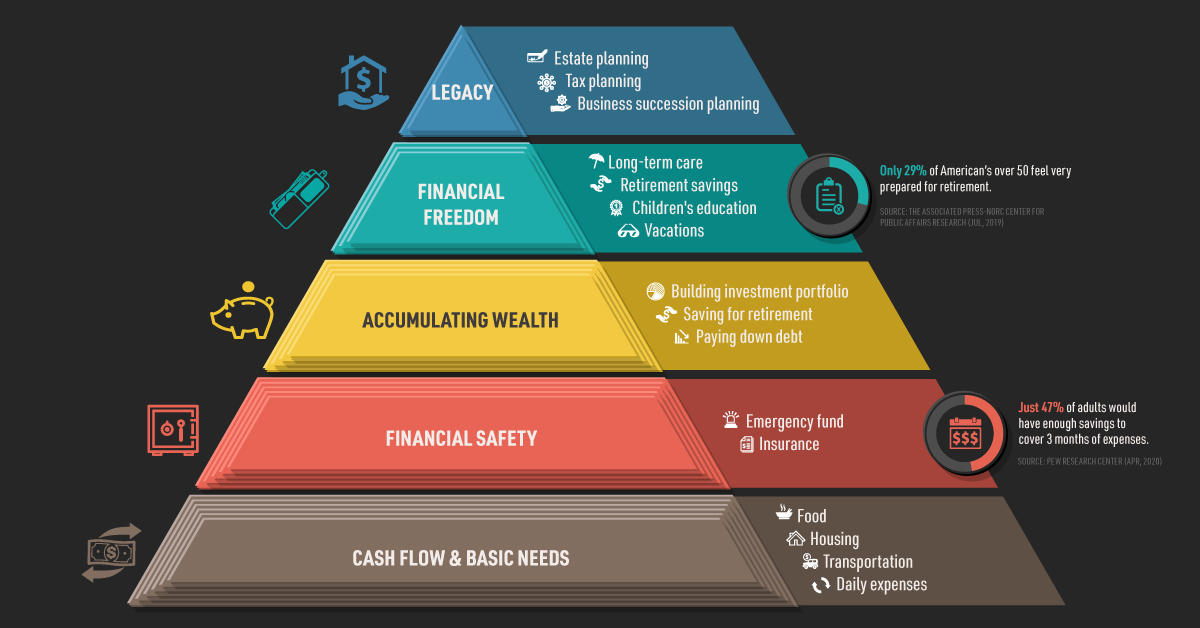
Building wealth doesn’t depend on luck. People who consistently apply good financial habits over time grow their wealth steadily. Anyone can start building a substantial net worth today.
Save more than you spend
Your net worth grows when you create a gap between income and expenses. Spending less than you earn is the lifeblood of wealth building. A budget that tracks expenses and prioritises essential spending should be created and followed faithfully.
Smart spending habits and fewer impulse purchases will boost your bottom line. You can think about using cashback programs and rewards to save on regular expenses without lifestyle changes. The wider this gap becomes between income and expenses, the more capital you’ll have to invest in growth opportunities.
Invest in appreciating assets
Building a higher net worth requires money invested in assets that gain value over time. These appreciating assets typically include:
- Real estate: Properties with potential for long-term appreciation
- Equities and mutual funds: Stock investments that capitalise on market growth
- Index funds: Historically delivering 7-10% average annual returns
- Retirement accounts: Tax-efficient options like workplace pensions
Of course, these investments’ power comes from compound interest working in your favor. Financial experts note that “When you invest in a growing asset, compound interest works in your favor”. This stands in stark contrast to depreciating assets like vehicles that lose about 50% of their value within five years.
Avoid bad debt
Different types of debt affect your net worth differently. Strategic debt can help, but high-interest consumer debt destroys wealth. “Bad debt occurs when borrowing is used for non-essential purposes,” which creates financial stress through high interest rates.
Wealth-damaging debt often includes:
- Credit card balances with double-digit interest rates
- Loans for luxury vehicles that depreciate faster
- Borrowing to pay existing debt, creating a negative cycle
Your debt-to-income ratio should stay below 36%. Borrowing for discretionary spending should be avoided.
Summary
Building your net worth takes time and requires smart financial decisions. You establish the foundation for sustained financial growth by saving more than spending, investing in appreciating assets, and steering clear of harmful debt.
Want to take control of your money and build real wealth?
Explore Boss Wallah, where 500+ practical courses created by financial experts and entrepreneurs help you learn how to budget, save, invest, and grow your income — even if you’re starting with zero knowledge.
Courses are available in Tamil, Telugu, Kannada, Malayalam, Hindi, and English, so you can learn in your own language. Whether you want to build an emergency fund, start SIPs, or explore smart passive income – you’ll find practical, step-by-step guidance inside.
Start building your financial freedom now — download the Boss Wallah App
Conclusion
Net worth gives you a powerful financial point of view that no other metric can match. This piece explores how a single calculation provides a complete snapshot of your true financial standing in 2025. Your financial health becomes clear when you track what you own minus what you owe. This reveals much more than income alone could ever show.
Most people try to increase their income. However, wealth grows faster when you widen the gap between earnings and spending. Regular net worth calculations work as reality checks and motivation tools during your financial trip. Knowing where you stand creates a foundation to improve, whether your number is positive or negative.
The simplicity of net worth calculation makes it beautiful. Of course, anyone can become skilled at this process. Just gather your financial documents, list all assets and liabilities, and subtract. Modern calculators have made this even easier with automatic updates and visual tracking.
Your path becomes clearer once you know your net worth. Set SMART financial goals based on your current position. Create a debt reduction plan that prioritises high-interest obligations or small balances based on your approach. Start investing in assets that compound over time.
Comparing your net worth with age-appropriate standards helps provide context. Personal circumstances can vary substantially. Your financial trip stays unique to you. Individual choices, opportunities, and priorities shape it more than statistical averages.
Financial success comes from applying basic principles consistently. Save more than you spend. Invest in assets that grow over time. Keep harmful debt low. Building substantial net worth takes time. Regular calculations keep you accountable and motivated as your financial position grows stronger each year.
Net worth is more than numbers – it shows your financial decisions, habits, and priorities. It works as a roadmap to plan ahead and helps identify areas to improve while celebrating progress. You now understand how to calculate and interpret this vital metric. This knowledge lets you control your financial future in 2025 and beyond.
FAQs
A tool that calculates your financial position by subtracting your liabilities from your assets.
No. Income is what you earn; net worth is what you actually have after subtracting what you owe.
At least once every 3–6 months.
Yes. If your debts are more than your assets, your net worth is negative.
A good benchmark is ₹5–10 lakhs, but it depends on location and lifestyle.
Yes, property value minus any loan on it counts as an asset.
Yes, include the current market value of your vehicle.
Pay off high-interest debt and invest smartly in SIPs or mutual funds.
Yes, if you use trusted platforms. Avoid sharing sensitive bank details.
You may need to reassess your savings, reduce spending, or increase income sources.