Traditional Farming: Methods, Ancient Practices in India, Tools & More
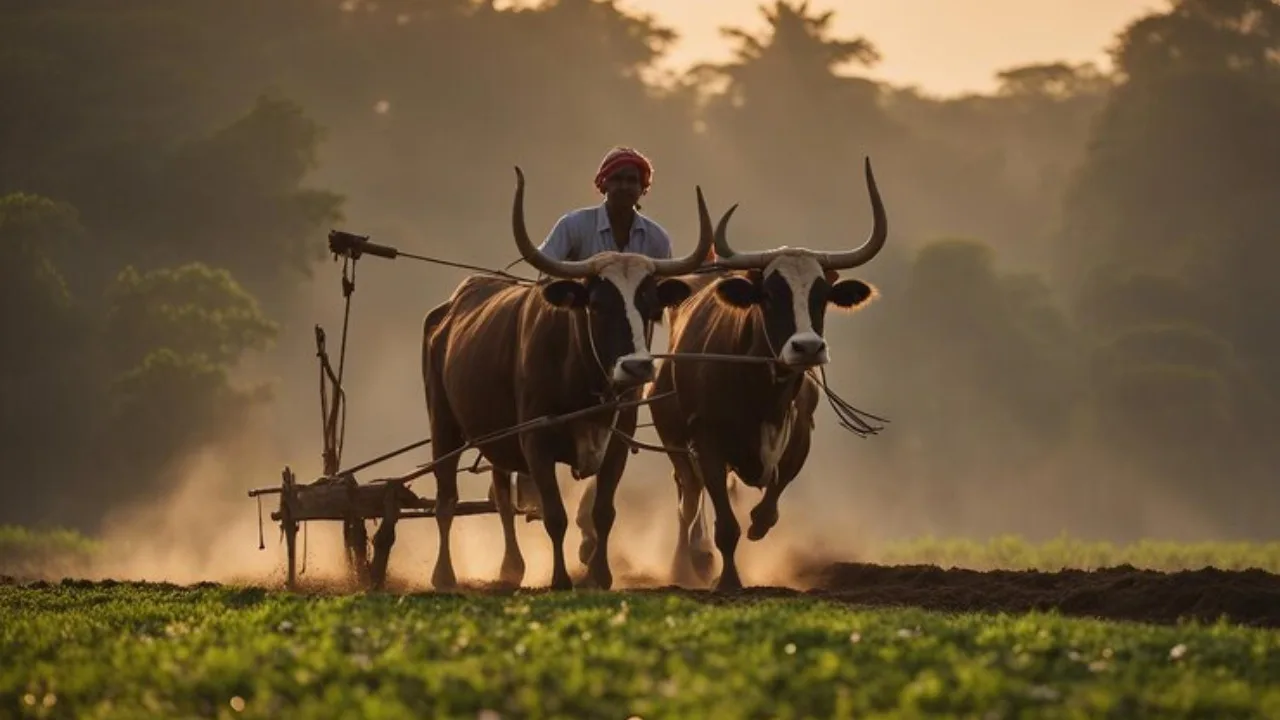
Table of contents
- What Is Traditional Farming?
- Key Traditional Farming Methods in India
- Ancient Agricultural Practices in India
- Traditional Farming Tools
- Regions Practising Traditional Farming
- Economic Significance of Traditional Farming
- Comparison with Modern Farming
- Traditional Festivals Linked to Agriculture
- Government Schemes Supporting Traditional/Natural Farming
- Challenges and the Way Forward
- Conclusion
- Frequently Asked Questions (FAQs)
Traditional farming in India is more than just a way to grow crops—it’s a time-tested system that harmonises with nature, preserves biodiversity, and sustains millions of rural families. Despite the rise of modern agriculture, traditional methods continue to thrive in various regions, offering sustainable solutions to contemporary challenges. This article delves into the essence of traditional farming in India, exploring its methods, tools, regional practices, and economic significance.
What Is Traditional Farming?

Traditional farming refers to age-old agricultural practices that rely on indigenous knowledge, natural resources, and minimal external inputs. These methods emphasise sustainability, biodiversity, and harmony with the environment.
A Brief History of Traditional Farming in India
Traditional farming in India dates back thousands of years to the Indus Valley Civilisation. Ancient texts like the Rigveda and Manusmriti document agricultural practices, crop calendars, and irrigation systems. Indian farmers have historically practised sustainable methods long before the modern environmental movement emerged.
Key Traditional Farming Methods in India
1. Crop Rotation
- Alternating crops on the same land to maintain soil fertility.
- Common rotations include legumes followed by cereals.
- Growing two or more crops simultaneously on the same field.
- Example: Wheat and mustard.
3. Agroforestry
- Integrating trees with crops and/or livestock.
- Benefits include improved biodiversity and soil conservation.
4. Use of Organic Manure
- Utilising compost, green manure, and animal waste to enrich the soil.
5. Manual Weeding and Pest Control
- Employing hand tools and natural pesticides like neem extracts.
Ancient Agricultural Practices in India

India’s agricultural history dates back to 9000 BCE, with evidence of early plant cultivation and animal domestication.
Notable Ancient Practices:
- Barahnaja System: A traditional polyculture method from Uttarakhand involving the cultivation of 12 or more crops together, enhancing food security and soil health.
- Irrigation Techniques: Construction of wells, canals, and tanks for water management.
- Use of Indigenous Seeds: Preserving and planting native seed varieties adapted to local conditions.
💡 Pro Tip: If you want to start a Business but have too many doubts, connect with a Business expert from Boss Wallah for guidance – Check Out
Traditional Farming Tools
Traditional Indian farmers utilise simple yet effective tools crafted from locally available materials.
| Tool Name | Description |
|---|---|
| Plough (Hal) | Wooden or iron implement drawn by oxen for tilling soil. |
| Sickle (Dhar) | Curved blade used for harvesting crops. |
| Khurpi | Handheld tool for weeding and soil loosening. |
| Seed Drill | Manual device for sowing seeds at uniform depth. |
| Leveller | Used to level the field post-ploughing. |
ALSO READ |Truck Farming: Meaning, Techniques, Benefits & More
Regions Practising Traditional Farming

Traditional farming is prevalent across various Indian states, each with unique practices:
- Odisha: Shifting cultivation, known as Podu, is practised by tribal communities.
- Uttarakhand: Barahnaja system promotes biodiversity and food security.
- Mizoram: Agriculture intertwined with tribal life, focusing on horticulture.
- Andhra Pradesh: Adoption of natural farming methods for sustainable agriculture.
Economic Significance of Traditional Farming

Traditional farming contributes significantly to India’s economy:
- Employment: Over 50% of India’s workforce is engaged in agriculture.
- GDP Contribution: Agriculture accounts for approximately 20.2% of India’s GDP.
- Food Security: Supports the sustenance of rural populations and preserves indigenous crop varieties.
Comparison with Modern Farming
Readers will benefit from a side-by-side comparison of traditional vs. modern methods.
Traditional vs. Modern Farming: Key Differences
| Factor | Traditional Farming | Modern Farming |
|---|---|---|
| Inputs | Natural (organic manure, native seeds) | Mechanised tools (tractors, harvesters) |
| Tools | Manual tools (plough, sickle) | Mechanized tools (tractors, harvesters) |
| Environmental Impact | Eco-friendly | Often leads to soil degradation & pollution |
| Crop Diversity | High (mixed cropping, intercropping) | Often monoculture |
| Irrigation | Natural methods, tanks, rain-fed | Natural methods, tanks, and rain-fed |
ALSO READ | Extensive Farming: What is it, Practices, Investment, Benefits & More
Traditional Festivals Linked to Agriculture
Highlight how farming is culturally tied to Indian festivals like:
- Pongal (Tamil Nadu)
- Baisakhi (Punjab)
- Makar Sankranti (Pan-India)
- Onam (Kerala)
This will enrich cultural depth and regional context.
Government Schemes Supporting Traditional/Natural Farming
Add a section on central or state initiatives promoting traditional or natural farming:
- Paramparagat Krishi Vikas Yojana (PKVY)
- Zero Budget Natural Farming (ZBNF) in Andhra Pradesh
- National Mission on Sustainable Agriculture (NMSA)
Challenges and the Way Forward
Challenges:
- Climate Change: Erratic weather patterns are affecting crop yields.
- Urbanisation: Loss of agricultural land to urban development.
- Youth Migration: Younger generations moving away from farming.
Solutions:
- Integration with Modern Techniques: Combining traditional knowledge with modern technology for improved productivity.
- Government Support: Policies and subsidies to encourage sustainable farming practices.
- Education and Training: Programs to educate farmers about the benefits and methods of traditional farming.
Need Expert Guidance?
Starting a business can be challenging, but you don’t have to do it alone! At Boss Wallah, our 2,000+ business experts are ready to provide valuable insights and guidance. Whether you need help with marketing, finance, sourcing, or any other area of any business, our business experts are here to help you succeed
Confused about Which Business to Start?
Want to start your own business but unsure which one to choose? Explore Boss Wallah, where you’ll find 500+ courses by successful business owners, featuring practical, step-by-step guides on starting and growing various businesses.
Find your perfect business idea today
Conclusion
Traditional farming in India is a testament to the country’s rich agricultural heritage. By embracing these time-honoured practices, India can promote sustainable agriculture, ensure food security, and preserve its biodiversity for future generations.
Frequently Asked Questions (FAQs)
1. What is traditional farming?
Traditional farming involves age-old agricultural practices that rely on natural resources and indigenous knowledge.
2. How does traditional farming benefit the environment?
It promotes biodiversity, conserves soil and water, and reduces chemical usage.
3. Is traditional farming economically viable?
Yes, it reduces input costs and can be profitable, especially with organic produce demand.
4. What crops are commonly grown in traditional farming?
Millets, pulses, oilseeds, and indigenous rice varieties are common.
5. Where is traditional farming practised in India?
Regions like Odisha, Uttarakhand, Mizoram, and parts of Andhra Pradesh.
6. What tools are used in traditional farming?
Tools like ploughs, sickles, khurpis, and seed drills.
7. How does traditional farming ensure food security?
By promoting crop diversity and resilience to pests and diseases.
8. Can traditional farming coexist with modern agriculture?
Yes, integrating both can lead to sustainable and productive farming systems.
9. Are there government schemes supporting traditional farming?
Yes, various schemes promote organic and sustainable farming practices.
10. How can one start traditional farming?
By learning from local farmers, attending workshops, and utilising government resources.