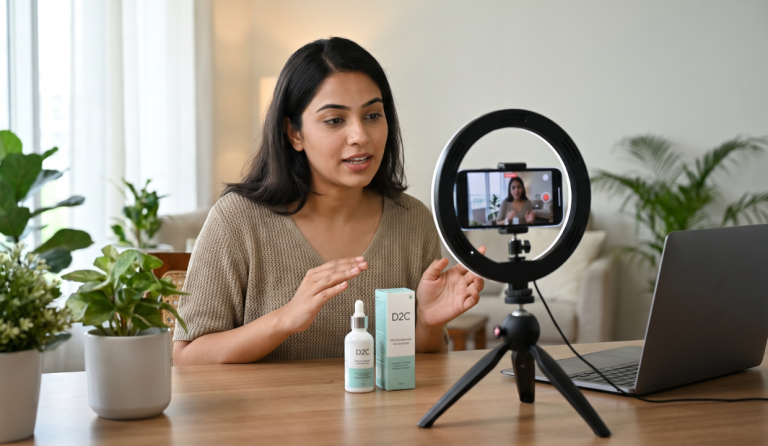
How to Nail Your First Brand Collaboration Effortlessly

Your first brand collaboration can feel exciting, awkward, and slightly terrifying all at once. Whether you are a small business owner or a content creator trying to land better partnerships, the process becomes much easier when you know what brands actually look for.
A successful brand collaboration is not about chasing famous companies for bragging rights. It is about finding the right fit, creating value for both sides, and building trust with your audience.
What Is a Brand Collaboration?

(Source – magnific.com)
A brand collaboration happens when two parties work together on a campaign, product, or piece of content for mutual benefit. This could include:
- Influencer partnerships
- Sponsored social media content
- Product launches
- Giveaways
- Co-branded campaigns
- Creator collaborations
The main goal is simple: both sides benefit by sharing audiences, visibility, and credibility.
For creators, collaborations help grow their personal brand and attract new followers. For businesses, partnerships help improve brand awareness and customer trust.
👉Click here to see how Boss Wallah works with brands and what we can build for you
Why Brand Collaborations Matter
Brand collaborations work because they allow two audiences to connect naturally. When people see a trusted creator or company recommending something, the promotion feels more authentic.
Some major benefits include:
- Reaching new audiences faster
- Building trust through association
- Improving social media visibility
- Creating fresh marketing content
- Increasing engagement and conversions
Instead of doing all the marketing alone, collaborations allow both sides to share effort and attention.
Examples of Successful Collaborations
Some of the most memorable brand collaborations succeeded because they felt fresh and unexpected.
Examples include:
- Louis Vuitton x Supreme
- Nike x Ben & Jerry’s
- McDonald’s x Travis Scott
- The North Face x Gucci
These campaigns worked because both brands had strong identities and overlapping audiences.
Smaller businesses can also succeed with collaborations. You do not need millions of followers or giant budgets. You simply need a clear idea and a partnership that makes sense for your audience.
Finding the Right Brand Partners
The biggest mistake beginners make is pitching random brands without checking whether the partnership actually fits.
Before reaching out, ask yourself:
- Does the brand match my niche?
- Would my audience genuinely care about this product?
- Do our values align?
- Can I naturally create content around it?
The best collaborations feel natural, not forced.
Start by looking at brands you already use or genuinely enjoy. Authentic interest makes your content more believable and your pitch much stronger.
Read More | How Brand Collaboration Is Reshaping Online Business Growth.
Build a Strong Online Presence
Before pitching brands, clean up your online presence. Brands will check your profile before replying.
Your social media should clearly show:
- What type of content do you create
- Who your audience is
- Your style and niche
- Your consistency and engagement
You do not need a perfect profile, but you should look reliable and professional.
Simple improvements include:
- Writing a clear bio
- Using quality profile photos
- Organizing highlights
- Removing outdated content
- Posting consistently
Brands want creators who understand their audience and communicate clearly.
Define Your Niche Clearly
One of the easiest ways to stand out is by having a clear niche.
Instead of trying to appeal to everyone, focus on one content area, such as:
- Fashion
- Food
- Business
- Fitness
- Beauty
- Tech
- Lifestyle
A focused niche helps brands understand whether you are the right fit for their campaign.
It also makes your audience more loyal because they know what type of content to expect from you.
How to Pitch a Brand
Pitching does not need to feel complicated. A simple and personalised message usually works best.
Your email or DM should include:
- A short introduction
- Why you like the brand
- Your collaboration idea
- Links to your content
- Basic audience information
Keep your message short and useful. Brands receive many pitches, so clarity matters.
Example Structure
- Introduce yourself
- Mention why the brand fits your content
- Suggest one simple collaboration idea
- Share your social links or media kit
- End politely
Avoid sending generic copy-paste messages to dozens of brands. Personalised outreach works far better.
Why Engagement Matters More Than Followers
Many creators think brands only care about follower count. That is not true.
Most brands care more about engagement because it shows whether people actually pay attention to your content.
Even creators with smaller audiences can land partnerships if they have:
- Strong engagement
- Loyal followers
- Consistent content
- Authentic communication
A smaller active audience is often more valuable than a huge inactive one.
Follow Up Professionally
If a brand does not reply immediately, do not panic.
A polite follow-up after about one week is completely normal. Sometimes messages get buried or missed.
Keep your follow-up short and professional:
- Reconfirm your interest
- Mention your previous message
- Thank them for their time
Do not spam brands with repeated messages. One or two follow-ups are enough.
Read More | How Small B2B Companies Are Building Million-Dollar Networks.
Negotiating Collaboration Terms
Once a brand agrees to work with you, discuss expectations clearly.
This includes:
- Deliverables
- Posting timelines
- Compensation
- Content approval
- Usage rights
Be specific about what both sides will provide.
For example, if the collaboration includes:
- One Instagram reel
- Two stories
- One product photo
Make sure everything is written clearly to avoid confusion later.
Why Contracts Matter
Even small collaborations should include a written agreement.
A contract helps protect both sides by explaining:
- Payment details
- Deadlines
- Deliverables
- Usage permissions
- Campaign requirements
If something is unclear, ask questions before agreeing.
Clear communication prevents problems later.
Keep Your Content Authentic
The best collaborations do not feel like advertisements. They feel like natural content that happens to include a product or brand.
Your audience follows you because of your personality and style. Do not completely change your voice just to satisfy a brand.
Instead:
- Use your normal tone
- Show products naturally
- Focus on storytelling
- Create useful or entertaining content
Authenticity builds trust, and trust leads to better engagement.
Measuring Collaboration Success
After the campaign ends, review the results carefully.
Look beyond likes and check metrics such as:
- Reach
- Shares
- Saves
- Website clicks
- Sign-ups
- Sales
- Engagement rate
Tracking results helps you improve future collaborations and gives you useful data for future pitches.
Brands also appreciate creators who understand campaign performance.
Common Mistakes to Avoid
(Source – magnific.com)
Here are some common brand collaboration mistakes beginners make:
- Pitching brands without research
- Accepting partnerships that do not fit their audience
- Ignoring contracts or payment terms
- Sending generic messages
- Overpromoting products unnaturally
- Focusing only on follower count
- Forgetting to follow up professionally
Avoiding these mistakes will make your collaboration journey much smoother.
Final Thoughts
Your first brand collaboration does not need to be perfect. What matters most is finding the right fit, communicating clearly, and creating authentic content your audience enjoys.
Strong collaborations are built on trust, creativity, and shared value. You do not need massive followers or celebrity status to succeed. You simply need consistency, a clear niche, and the confidence to start reaching out.
Every successful creator started with one small collaboration. Yours could be next.
Need Videos, Creators, or Regional Content for Your Brand?
Boss Wallah helps brands plan and execute video content at scale, without managing multiple vendors.
We work with companies to:
- Shoot large volumes of short-form videos using real creators and studio setups, suitable for social media, websites, campaigns, and launches
- Adapt the same videos for different languages, regions, and platforms, so one shoot works across India and global markets
- Launch products or campaigns through dozens or hundreds of creators, all managed, tracked, and reported in one system
- Support brands with ongoing content, launches, regional expansion, and performance-focused campaigns
Whether you need videos for a new launch, content for multiple markets, creator-led visibility, or a steady content pipeline, Boss Wallah acts as a single partner handling production, creators, and execution end-to-end.
👉Click here to see how Boss Wallah works with brands and what we can build for you
Frequently Asked Questions
1. Do I need thousands of followers for brand collaborations?
No. Many brands care more about engagement and audience trust than follower count.
2. How do I find brands to collaborate with?
Look for brands that match your niche, audience, and content style. Start with products you already use naturally.
3. What should I include in a brand pitch?
Include a short introduction, your collaboration idea, audience details, and links to your content.
4. How do I know if a collaboration was successful?
Measure metrics like engagement, reach, clicks, sales, and audience growth based on your campaign goals.
5. Should I always use a contract?
Yes. Even simple collaborations should include written agreements covering payment, deliverables, and timelines.